
-
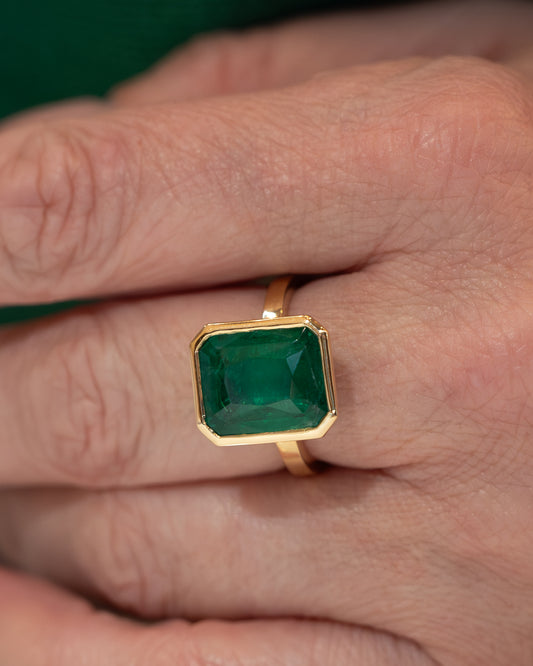
4.88 Emerald Cut Emerald Cocktail Ring 18k Yellow Gold
Regular price $14,500.00Regular priceUnit price per -
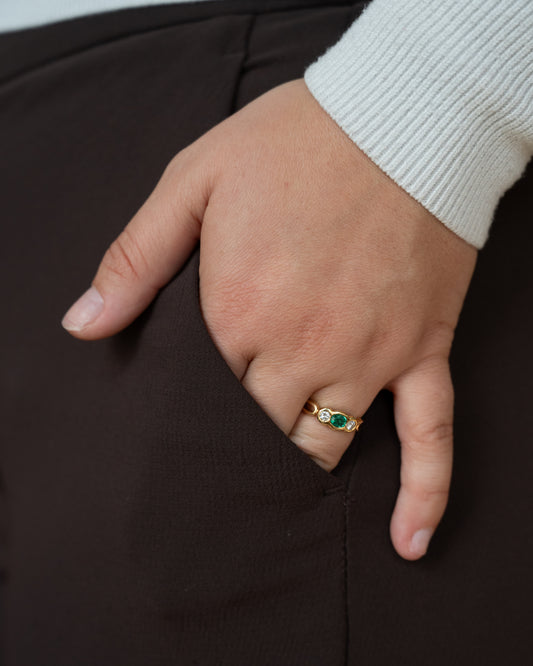
.50 Diamond & Emerald Stacking Ring 18K Yellow Gold
Regular price $2,150.00Regular priceUnit price per -
1.70 Antique Victorian Emerald & Diamond Brooch 18k
Regular price $14,750.00Regular priceUnit price per -
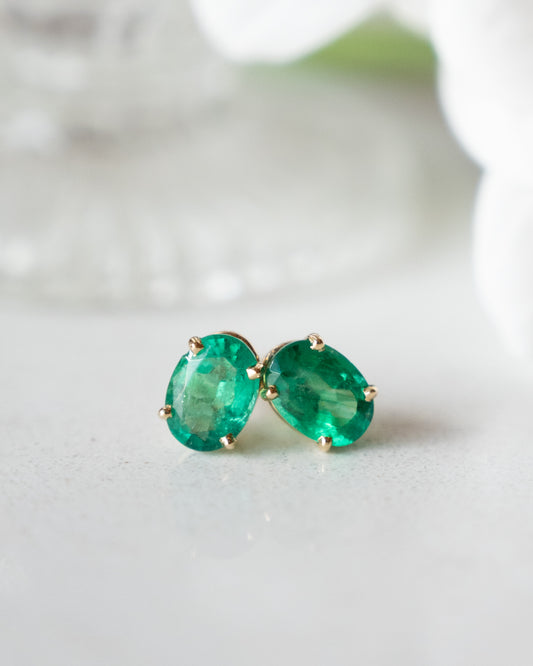
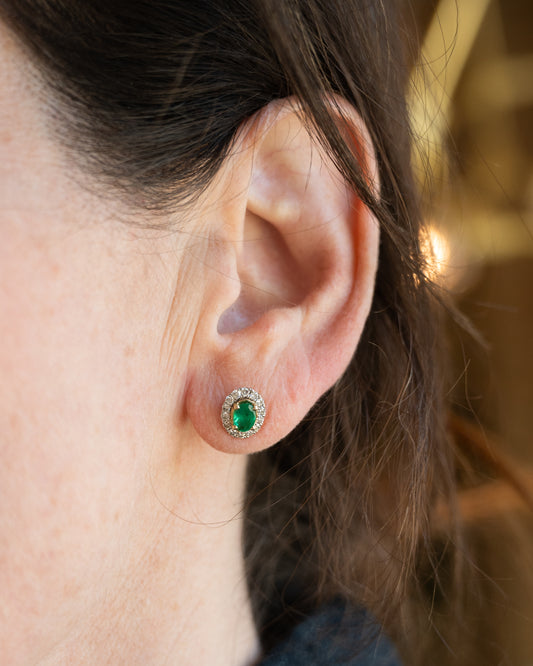
1.36 Oval Emerald Stud Earrings 14k Yellow Gold
Regular price $2,400.00Regular priceUnit price per -
.35 Oval Emerald & Diamond Three Stone Ring 18k
Regular price $2,650.00Regular priceUnit price per -
6.06 Antique Art Nouveau Emerald Cocktail Ring 18k
Regular price $5,900.00Regular priceUnit price per -
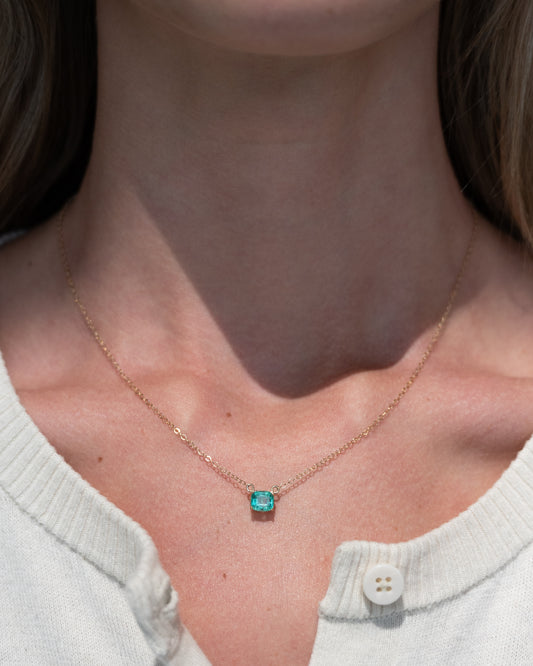
1.09 Cushion Emerald Solitaire Pendant 14k Yellow Gold
Regular price $2,250.00Regular priceUnit price per -
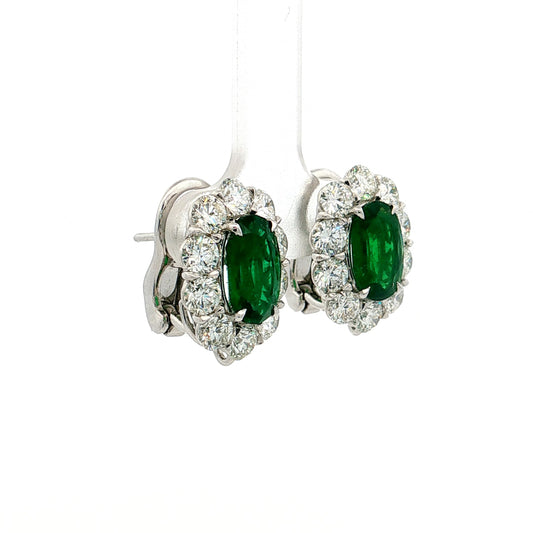
3.35 Emerald & Diamond Stud Earrings Platinum
Regular price $39,000.00Regular priceUnit price per -
Oval Emerald & Diamond Halo Stud Earrings 14k
Regular price $2,400.00Regular priceUnit price per -
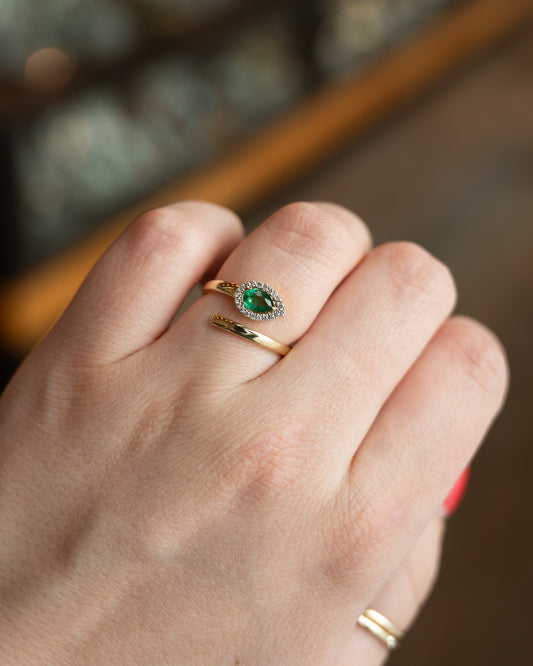
.31 Emerald & Diamond Snake Cocktail Ring 14k
Regular price $1,500.00Regular priceUnit price per -
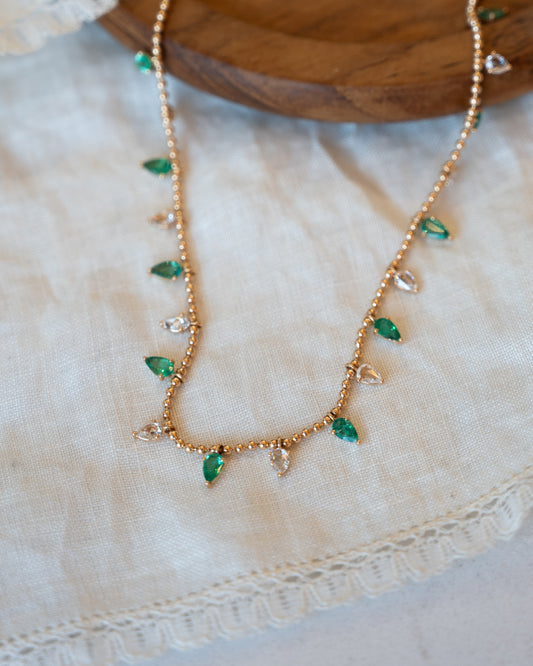
1.80 Pear Emerald & Rose Diamond Necklace 18k
Regular price $8,900.00Regular priceUnit price per -
3.91 Pear Emerald Pendant Necklace 14kYellow Gold
Regular price $12,750.00Regular priceUnit price per -
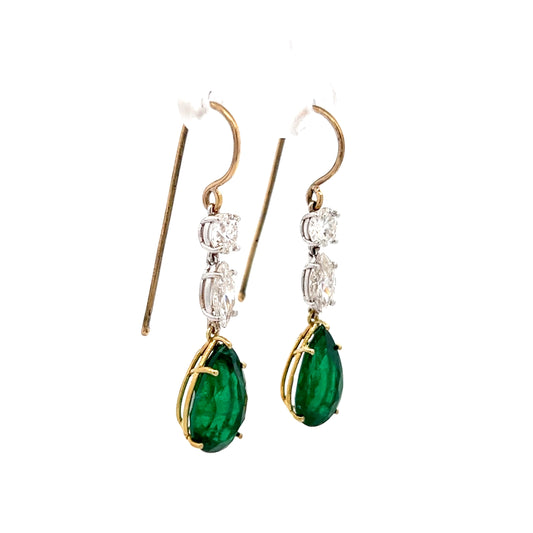
5.52 Pear Cut Emerald Drop Earrings 18k White Gold
Regular price $22,000.00Regular priceUnit price per -
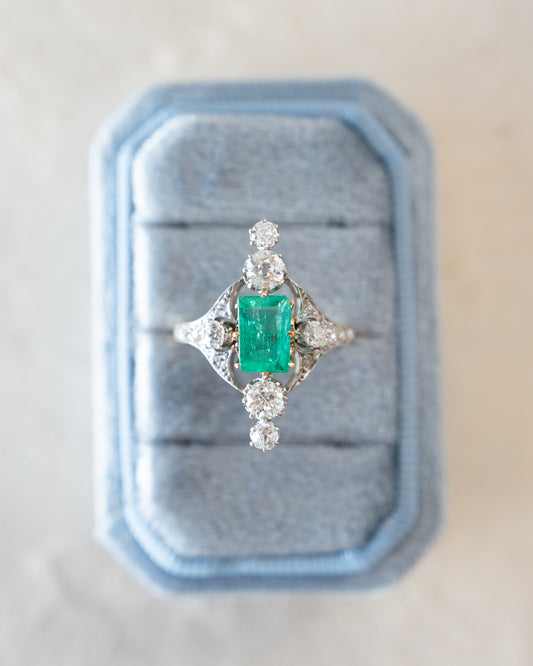
1.30 Edwardian Emerald & Diamond Cocktail Ring Platinum
Regular price $8,950.00Regular priceUnit price per -
.08 Flush Set Emerald Stacking Ring 14k Yellow Gold
Regular price $895.00Regular priceUnit price per -
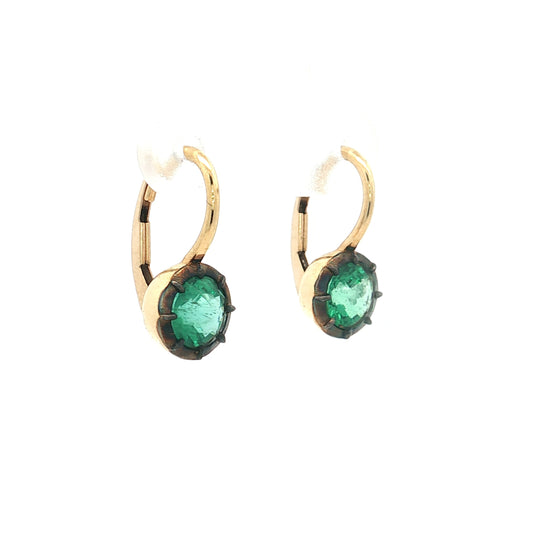
1.50 Emerald Drop Earrings 18k Yellow Gold
Regular price $4,950.00Regular priceUnit price per -
.56 Emerald & Diamond Pendant Necklace 14k Yellow Gold
Regular price $2,200.00Regular priceUnit price per -
4.46 Marquise Emerald Pendant Necklace 18k
Regular price $17,500.00Regular priceUnit price per -
1.90 Antique Colombian Emerald & Diamond Ring Platinum
Regular price $16,900.00Regular priceUnit price per -
3.43 Cushion Emerald Pendant Necklace 14k Yellow Gold
Regular price $6,650.00Regular priceUnit price per -
6.01 Emerald Cut Emerald in 18k Yellow Gold
Regular price $19,500.00Regular priceUnit price per -
1.70 Cushion Cut Emerald Cocktail Ring in 18k
Regular price $6,950.00Regular priceUnit price per -
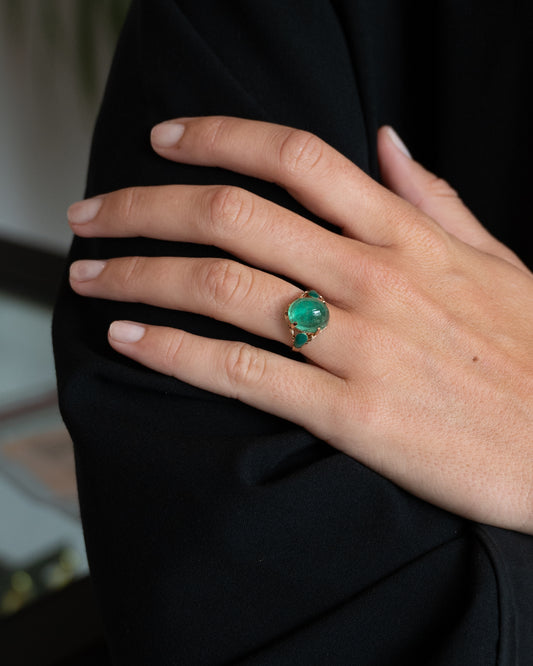
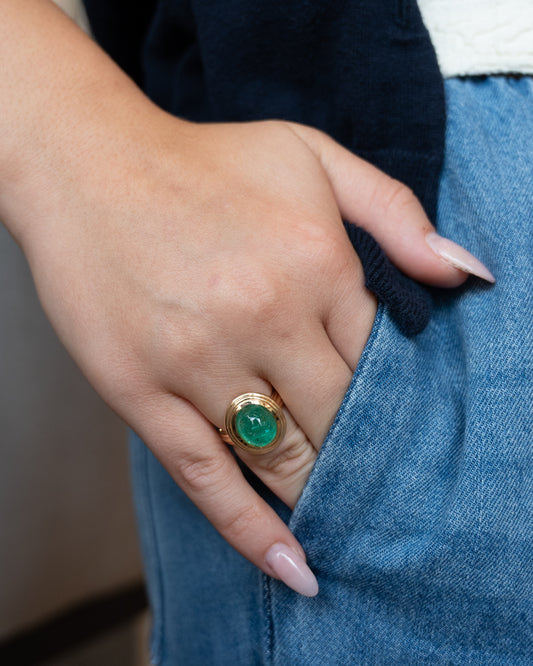
5.96 Cabochon Emerald Cocktail Ring in 14k Yellow Gold
Regular price $6,650.00Regular priceUnit price per -
4.56 Pear Emerald & Diamond Drop Earrings in 14k
Regular price $12,000.00Regular priceUnit price per




















FROM THE JOURNAL
Further reading

About
Emerald Jewelry
Q: What is the birthstone for May?
Emerald is May's birthstone, beryl turned green by traces of chromium and sometimes vanadium, and it carries one of the longest continuous reputations in the gem world. Cleopatra claimed the Egyptian mines for herself; Spanish galleons carried Colombian emeralds back to Europe and reset the standard for what green could mean; and every era of jewelry since has given the stone a starring role. No other gem is so completely defined by its color. The word emerald is shorthand for a particular saturated green in everything from paint to prose, and a fine stone in person makes clear why the shorthand stuck. For a May birthday it is the most storied choice on the calendar.
Q: What is jardin, and do inclusions matter in an emerald?
Jardin is the French word for garden, and it is the trade's term for the veil-like inclusions inside nearly every natural emerald. Unlike most stones, where clarity is graded against perfection, emerald is expected to carry its garden; the stone forms under geological conditions that almost guarantee it. Inclusions become a concern only when they mute the color, break the surface, or threaten the stone's structure. Otherwise they are identity, the reason no two emeralds repeat, and the quickest reassurance that a stone grew in the earth. An emerald with no visible inclusions at all invites more questions than admiration from anyone who knows the stone.
Q: What should I look for in an emerald?
Color decides almost everything: a vivid green, neither washed out nor so dark it deadens, with the slight bluish cast that the finest Colombian stones made the benchmark. Colombia's Muzo and Chivor mines set the historic standard, and Zambian emeralds, typically a touch cooler and cleaner, now stand respectably beside them. After color, look at how the cut handles the stone; the emerald cut exists because those cropped corners protect a stone that dislikes sharp impacts, though ovals, cushions, and cabochons all have their traditions. Clarity is judged by eye rather than loupe. And ask about treatment, which brings us to oiling.
Q: Are emeralds treated, and does it matter?
Nearly all emeralds are treated with oil, and it should be assumed unless a laboratory report says otherwise. Fissures that reach the surface are filled with cedar oil or similar substances, a practice centuries old, which quiets the jardin and deepens the apparent color. It is accepted, stable under normal wear, and honest when disclosed; what matters is the degree, which gem laboratories grade from insignificant to significant. An emerald with minor enhancement and strong natural color is a different proposition from a heavily treated stone leaning on its filler. The treatment does impose care rules, covered below, and it can be professionally refreshed after many years, which is routine maintenance rather than repair.