
-
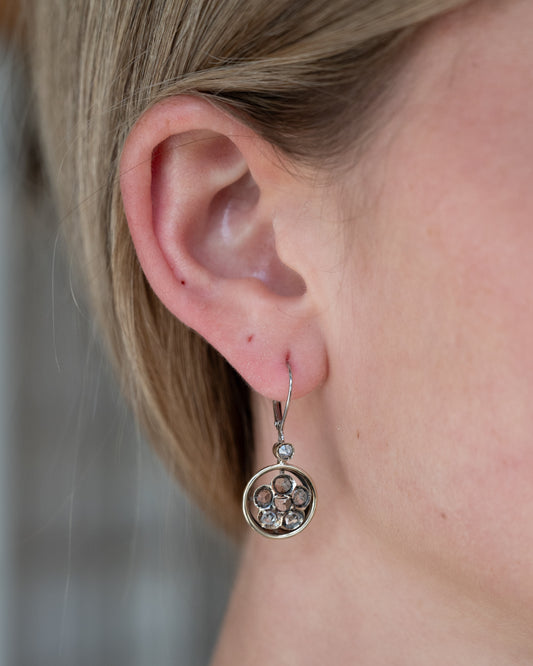
.64 Antique Edwardian Diamond Drop Earrings Two-Tone 14K
Regular price $1,600.00Regular priceUnit price per -
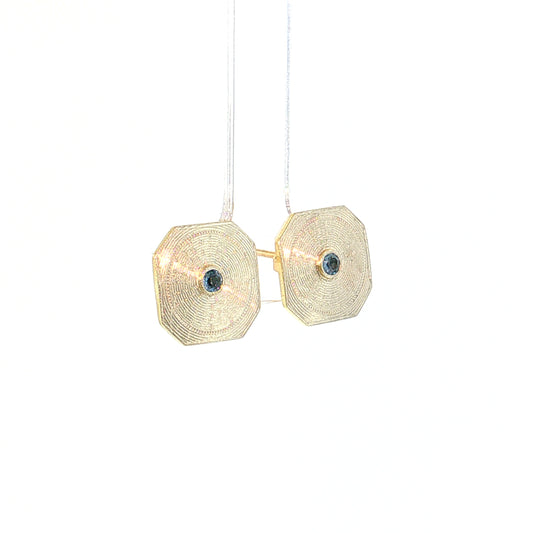
.08 Antique Edwardian Sapphire Stud Earrings Platinum & 14k
Regular price $1,200.00Regular priceUnit price per -
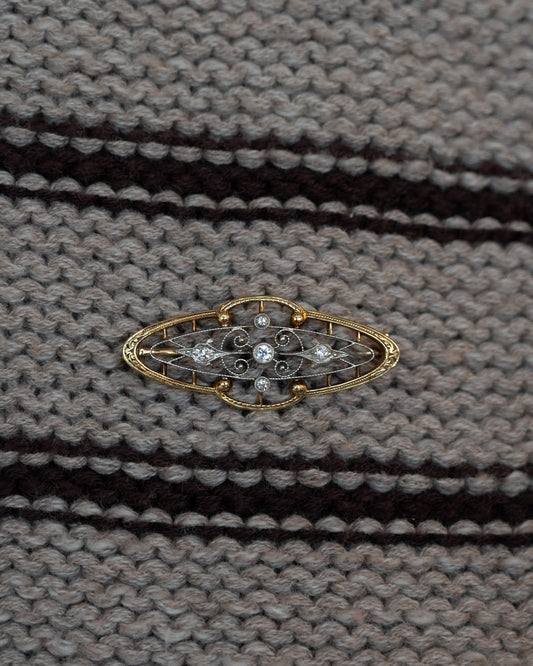
.16 Antique Edwardian Diamond Brooch 14k & Platinum
Regular price $1,175.00Regular priceUnit price per -
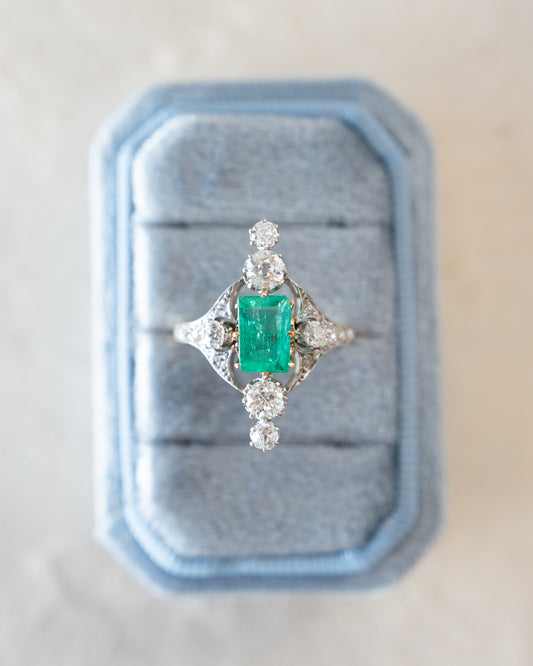
1.30 Edwardian Emerald & Diamond Cocktail Ring Platinum
Regular price $8,950.00Regular priceUnit price per -
.33 Antique Edwardian Mens Diamond Snake Ring 18k
Regular price $3,850.00Regular priceUnit price per -
11.69 Antique Edwardian Tiffany & Co Heart Brooch/Pendant
Regular price $85,000.00Regular priceUnit price per -
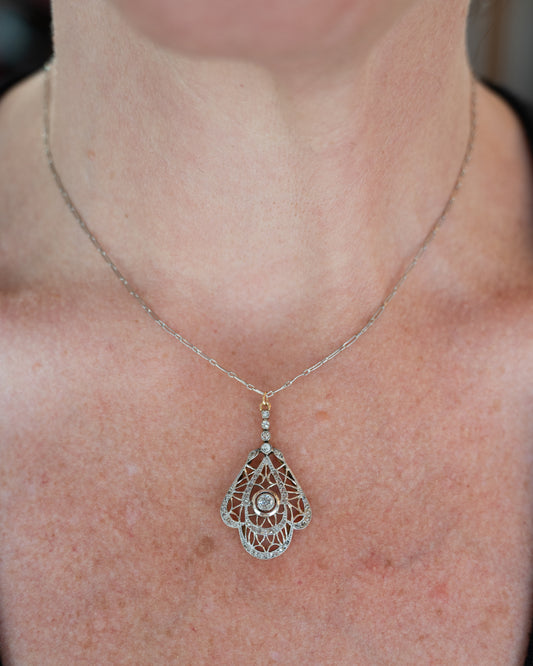
.46 Antique Edwardian Diamond Pendant Necklace Platinum
Regular price $2,475.00Regular priceUnit price per -
1.01 Vintage Edwardian Cocktail Ring in 18k/Platinum
Regular price $7,800.00Regular priceUnit price per -
2.00 Antique Edwardian Diamond Pendant Necklace
Regular price $3,200.00Regular priceUnit price per -
.77 Antique Edwardian Diamond Pendant in 14k
Regular price $3,250.00Regular priceUnit price per -
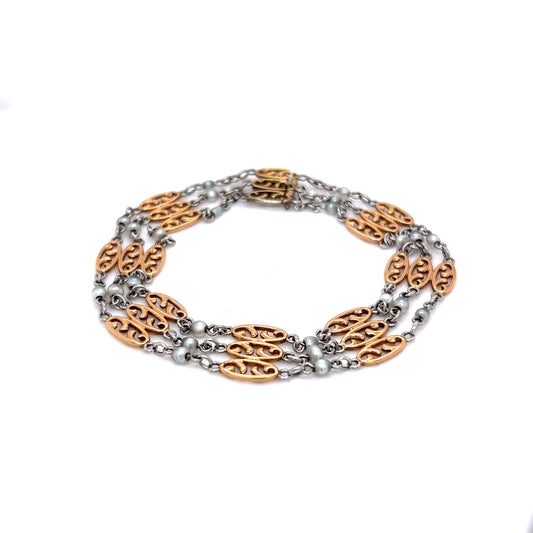
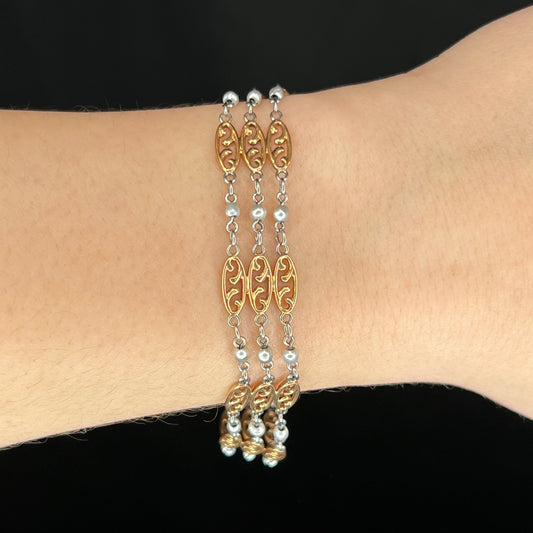
Edwardian Seed Pearl Bracelet in 18k Yellow Gold and Platinum
Regular price $2,625.00Regular priceUnit price per -
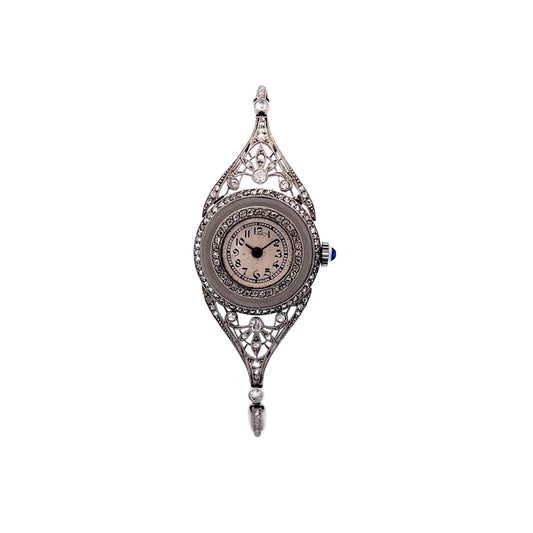
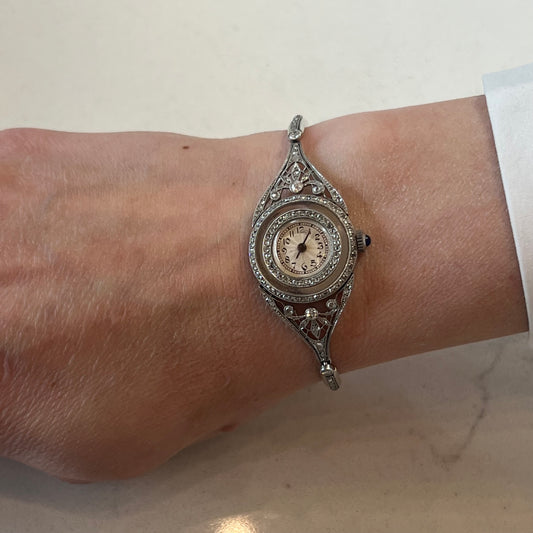
Vintage French Edwardian Watch w/ Diamonds in Platinum
Regular price $6,250.00Regular priceUnit price per








FROM THE JOURNAL
Further reading


About
Edwardian Jewelry
Q: What makes a piece of jewelry Edwardian?
Edwardian jewelry was made between 1901 and 1915, during the reign of King Edward VII. The defining characteristics are platinum construction, lace-like filigree openwork, garland motifs — bows, wreaths, laurel swags — and a white-on-white palette of diamonds and natural pearls. The era became possible because of the oxyacetylene torch, which let jewelers work pure platinum for the first time and draw it into wire fine enough to build the lattice settings the style is known for.
Q: How is Edwardian jewelry different from Victorian and Art Deco?
Victorian jewelry (1837–1901) came before - heavier, typically yellow gold, built around sentimental motifs: hearts, snakes, hair lockets. Edwardian work is the opposite: light, open, white metal, architectural in a delicate way. Art Deco (1920–1935) came after and went in a completely different direction — hard geometry, sharp angles, high-contrast stones, and white gold replacing the platinum requisitioned in World War I.
Q: What diamond cuts appear most often in Edwardian jewelry?
Old European cut diamonds are the most common center stone. Old mine cuts appear in earlier pieces, and rose cuts are typical for accent stones in openwork settings. The Asscher cut was introduced in 1902, right at the start of the era, and occasionally shows up in period pieces. All are hand-cut stones with the characteristic high crowns and open culets that distinguish antique diamonds from modern round brilliants.
Q: How can I tell if an Art Deco ring is authentic or a reproduction?
Under a loupe, authentic Edwardian platinum filigree shows hand-twisted wire with small irregularities that machine-cast reproductions cannot replicate. The milgrain beading on a genuine piece has a hand-applied texture — if it looks mechanically perfect or worn completely flat, the piece has likely been refinished or is a later reproduction. Edwardian settings typically have open galleries and hand-finished undersides. We are happy to walk through construction details on any piece in our collection.
Q: Are the pearls in Edwardian jewelry natural or cultured
Natural. The Mikimoto cultured pearl process did not reach commercial scale until the 1920s, after the Edwardian era closed. Pearls in a genuine Edwardian piece are found rather than farmed, which makes a well-kept Edwardian pearl necklace or brooch one of the last places to acquire natural pearls at a reasonable entry point. The supply is finite and shrinks over time.