
-
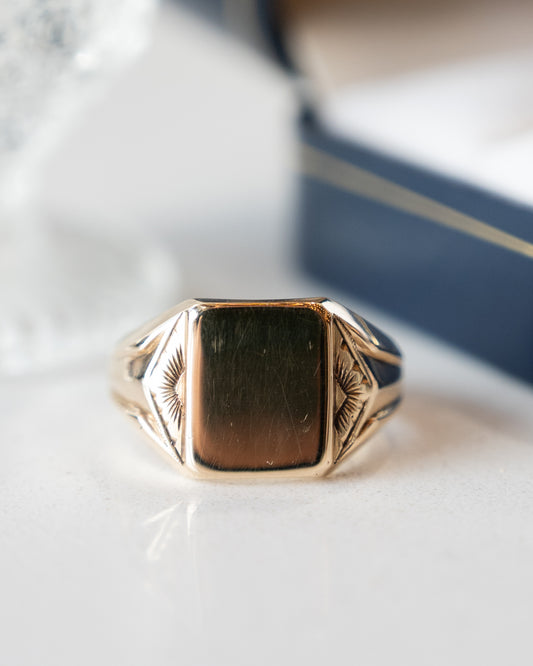
Antique Victorian Engraved Signet Ring 10k Yellow Gold
Regular price $1,350.00Regular priceUnit price per -
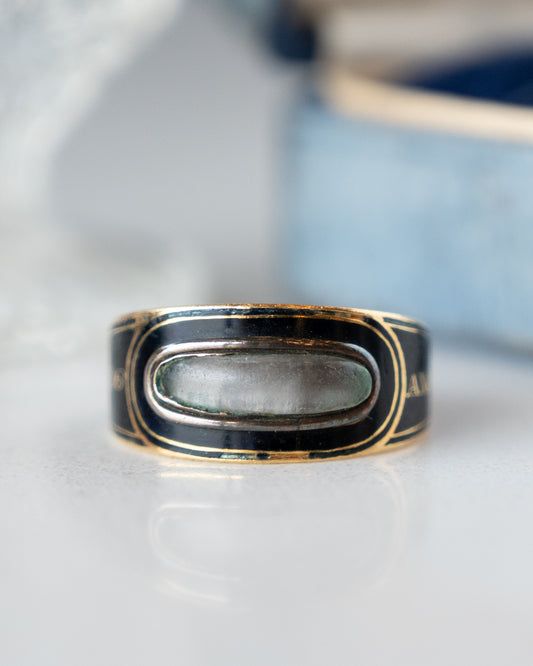
Victorian Rock Crystal Mourning Ring 22k Yellow Gold
Regular price $1,575.00Regular priceUnit price per -
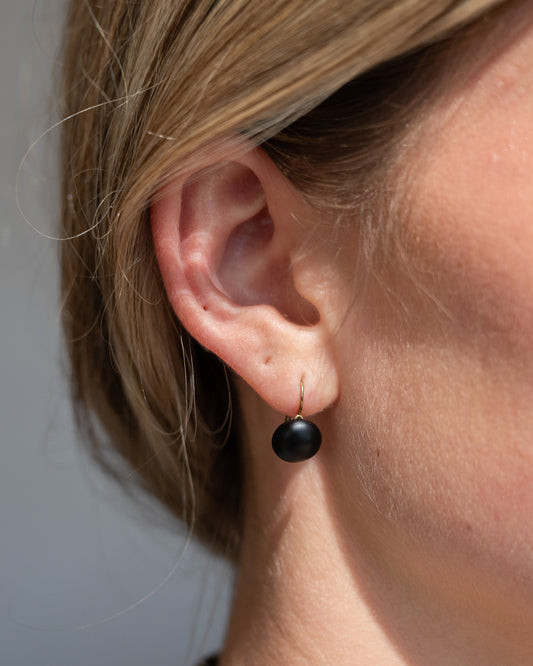
Antique Victorian Jet Drop Earrings 10k Yellow Gold
Regular price $550.00Regular priceUnit price per -
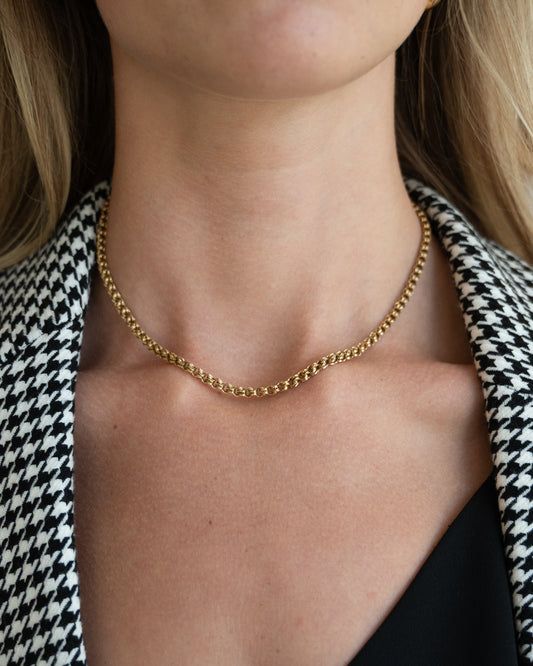
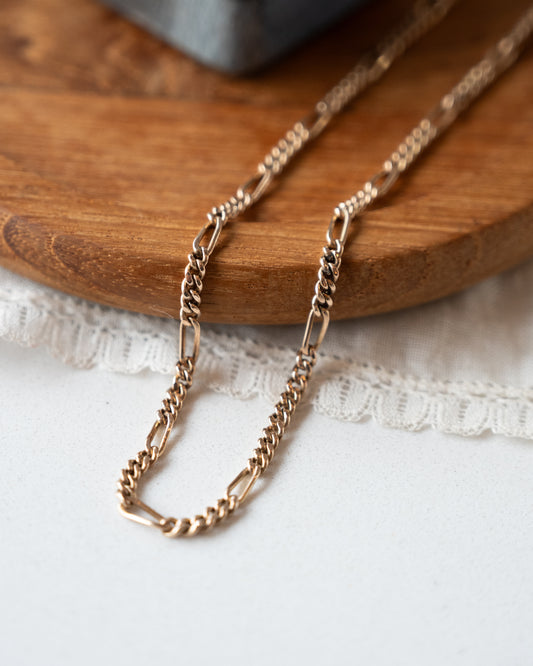
Antique Victorian Rolo Chain Necklace 14k Yellow Gold
Regular price $1,900.00Regular priceUnit price per -
1.70 Antique Victorian Emerald & Diamond Brooch 18k
Regular price $14,750.00Regular priceUnit price per -
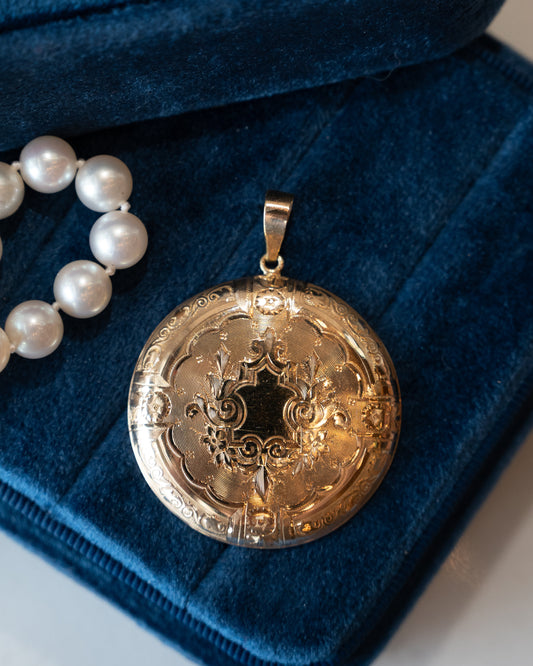
Antique Victorian Pearl Mourning Locket Pendant 10k Gold
Regular price $1,875.00Regular priceUnit price per -
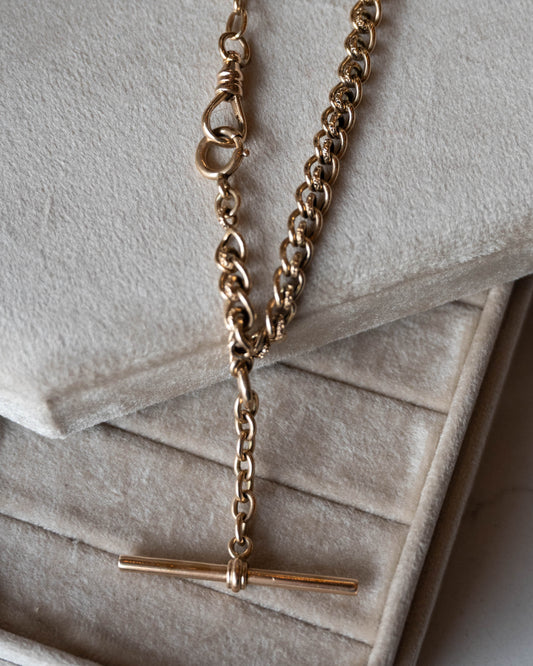
22 Inch Antique Victorian Fob Chain Necklace 14k Yellow Gold
Regular price $6,250.00Regular priceUnit price per -
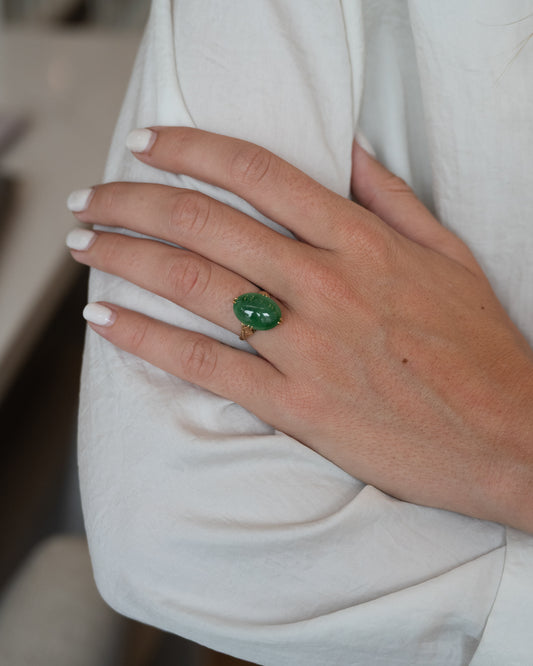
9.59 Antique Victorian Jadeite Cabochon Cocktail Ring 18k Rose Gold
Regular price $2,100.00Regular priceUnit price per -
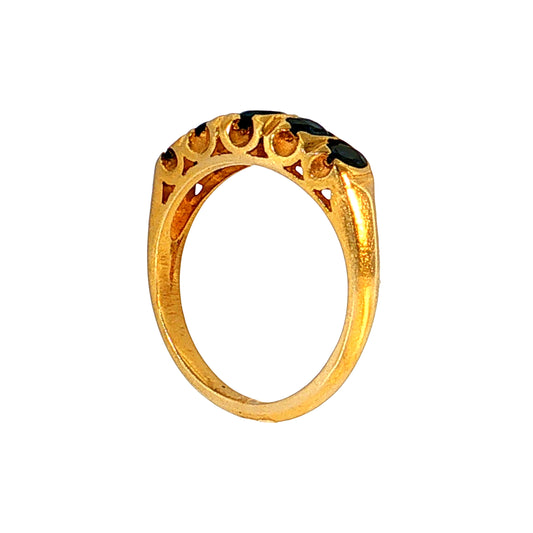
.72 Vintage Victorian Blue Sapphire Five Stone Ring 14k
Regular price $2,100.00Regular priceUnit price per -
4.53 Antique Victorian Old Mine Diamond Bangle 18k
Regular price $11,750.00Regular priceUnit price per -
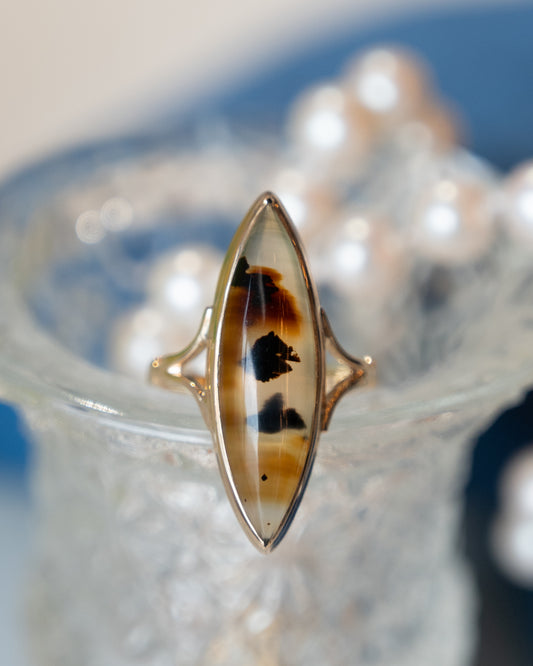
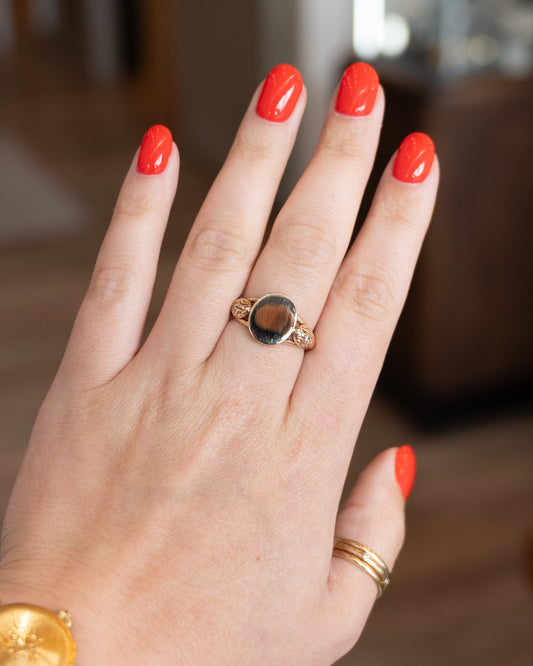
5.41 Antique Victorian Agate Cocktail Ring 14k Rose Gold
Regular price $925.00Regular priceUnit price per -
Antique Victorian Pocketwatch Conversion Pendant 14k
Regular price $1,300.00Regular priceUnit price per -
Antique Victorian Diamond Snake Signet Ring 10k Rose Gold
Regular price $1,375.00Regular priceUnit price per -
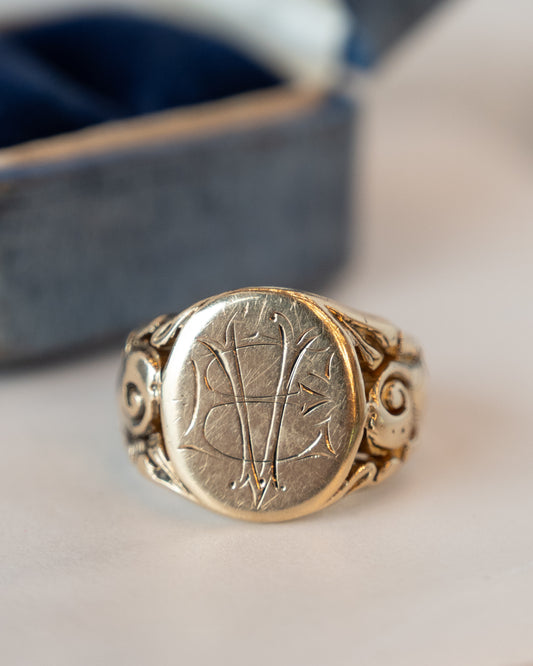
Men's Antique Victorian Oval Signet Ring 10k Yellow Gold
Regular price $1,250.00Regular priceUnit price per -
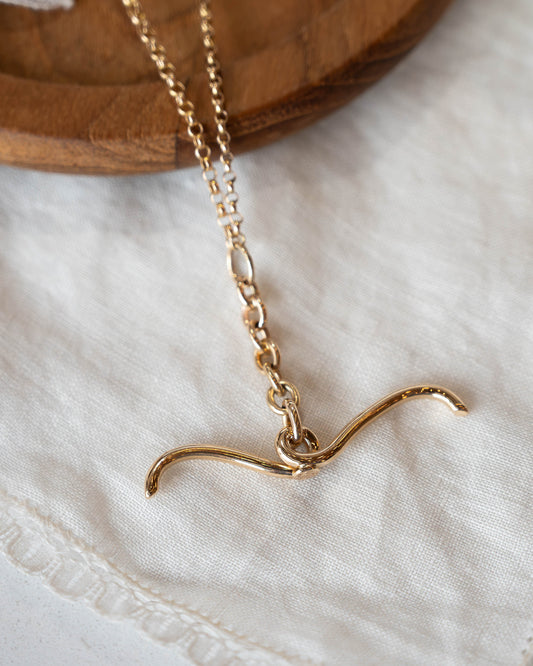
Antique Victorian Toggle Chain Necklace 12k Gold
Regular price $6,800.00Regular priceUnit price per -
31 Inch Antique Victorian Rolo Chain Necklace 14k Yellow Gold
Regular price $2,700.00Regular priceUnit price per -
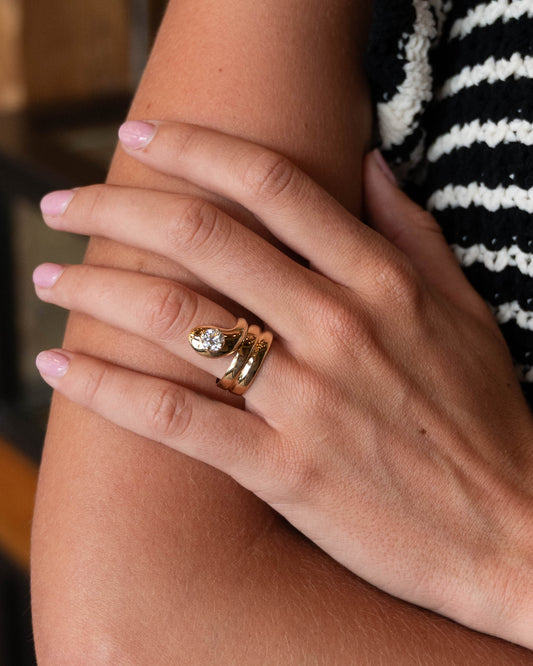
.84 Victorian Diamond Snake Cocktail Ring 18k
Regular price $5,200.00Regular priceUnit price per -
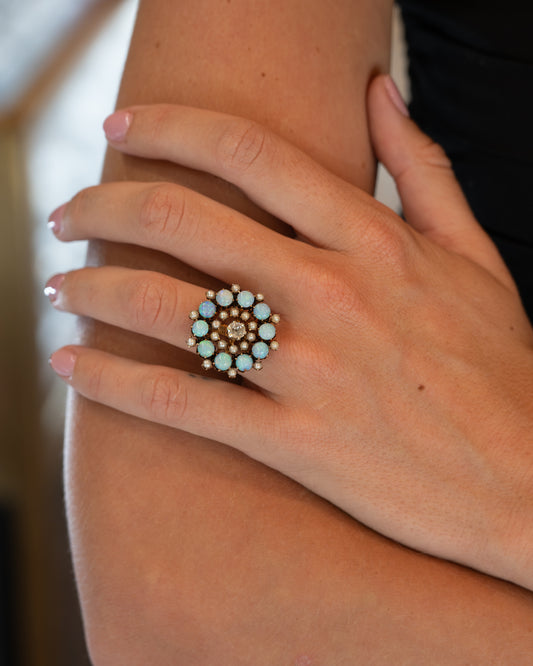
.40 Victorian Diamond Opal Pearl Cocktail Ring 14k
Regular price $2,150.00Regular priceUnit price per -
Antique Victorian Scarab Cocktail Ring 14k
Regular price $1,500.00Regular priceUnit price per -
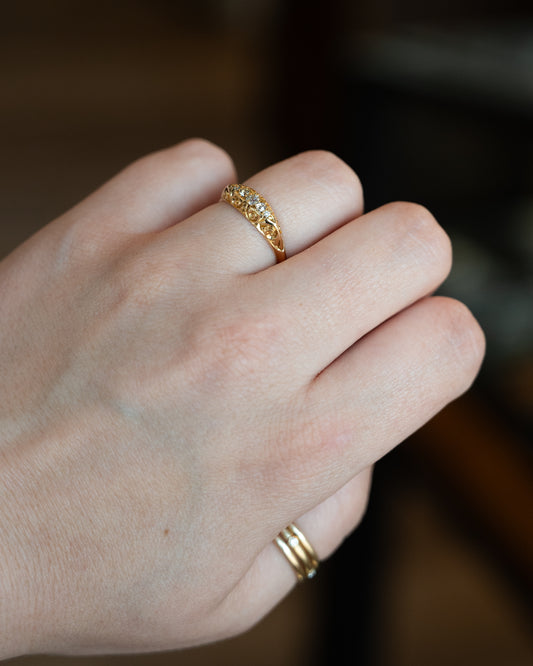
Antique Victorian Diamond Filigree Stacking Ring 18k
Regular price $1,400.00Regular priceUnit price per -
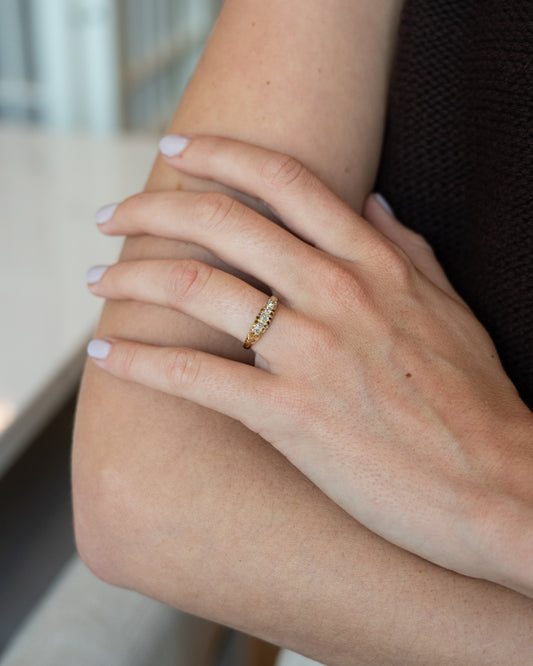
.19 Vintage Victorian Diamond Stacking Ring 18k
Regular price $1,200.00Regular priceUnit price per -
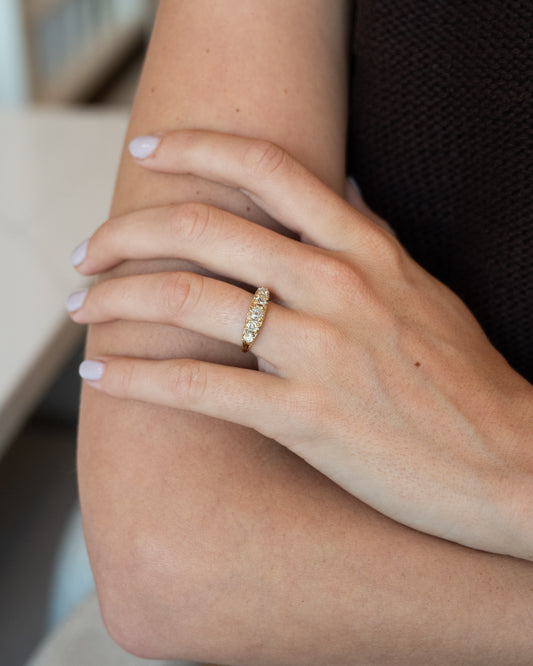
.65 Victorian Old Mine Diamond Five Stone Ring 14k
Regular price $1,800.00Regular priceUnit price per -
Victorian Watch Fob Chain Necklace 14k Yellow Gold
Regular price $5,950.00Regular priceUnit price per -
Antique Victorian Curb Chain Necklace 14k Yellow Gold
Regular price $2,395.00Regular priceUnit price per






















FROM THE JOURNAL
Further reading


About
Victorian Jewelry
Q: What defines Victorian jewelry?
Victorian jewelry is the work made during Queen Victoria's reign, from 1837 to 1901. It breaks into three periods: the Romantic period (1837 to 1860), full of sentimental, nature-inspired motifs in yellow gold; the Grand period (1860 to 1885), heavier and more serious, defined by mourning jewelry and archaeological-revival gold; and the Aesthetic period (1885 to 1901), lighter and more delicate, with a return to diamonds, pearls, and celestial motifs. Across all three, the era favored yellow gold and silver, sentimental symbolism, and motifs like serpents, hearts, flowers, and stars. The design followed Queen Victoria's own taste more than any single house.
Q: What is the difference between Victorian and Edwardian jewelry?
The clearest difference is metal and mood. Victorian jewelry (1837 to 1901) is mostly yellow gold and silver, and it runs a wide emotional range, from betrothal serpents to jet mourning brooches. Edwardian jewelry (1901 to 1915), which followed, is built almost entirely in platinum and reads light and lace-like, with fine milgrain, delicate openwork, and a formal palette of diamonds and pearls. Victorian pieces feel warm and personal; Edwardian pieces feel cool and refined. The two eras sit back to back, so transitional pieces from around 1900 can show characteristics of both.
Q: What gemstones and materials are common in Victorian jewelry?
It depends on the period. Romantic-period pieces favor turquoise, seed pearls, garnets, coral, and amethyst in yellow gold. The Grand period brought darker materials forward: Whitby jet, black onyx, and hardstone, alongside substantial archaeological-revival gold. The Aesthetic period returned to diamonds and natural pearls in lighter settings. Throughout the era you will also find hair jewelry, enamel, cameos carved in shell and hardstone, and micromosaics brought back from the Grand Tour. The diamond cuts of the period are old mine, old European, and rose cuts, all cut by hand.
Q: How can I tell if a piece of Victorian jewelry is authentic?
Construction and materials are the most reliable indicators. Genuine period pieces were fabricated by hand, so under magnification you will see hand-finished galleries, hand-applied milgrain, and era-consistent cuts such as old mine, old European, and rose. Closure types help date a piece: early brooches use a C-clasp with a long pin, not a modern rollover catch. Mourning jewelry has its own tells, since genuine Whitby jet is warm and light and takes a static charge, while French jet is cold, heavy black glass, and vulcanite browns as it ages. On metal, note that American Victorian jewelry legitimately used 10k and 14k gold, so a lower karat mark is not the red flag on a US piece that it can be on British work.