
-
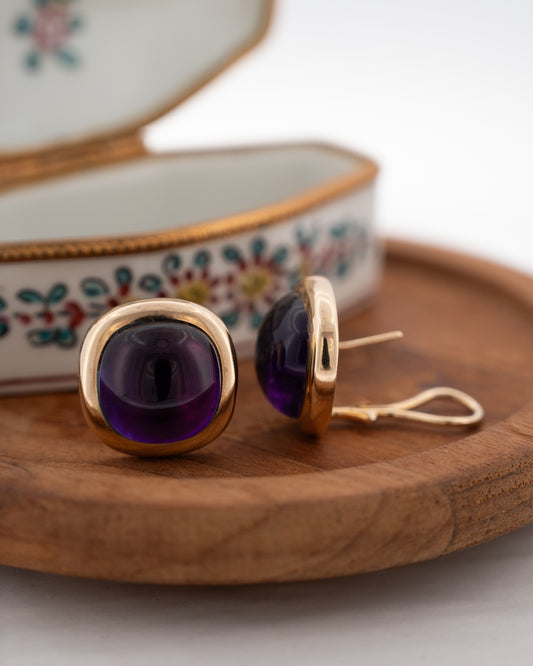
30.00 Amethyst Cabochon Stud Earrings 14K Yellow Gold
Regular price $2,800.00Regular priceUnit price per -
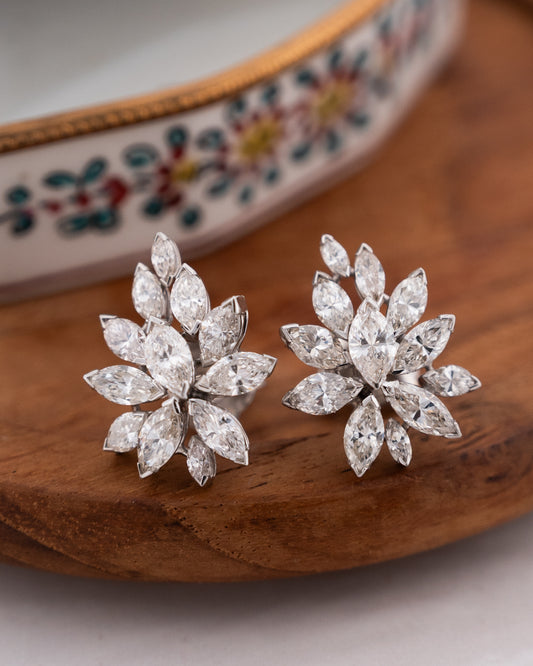
7 Carat Marquise Diamond Cluster Earrings 14K White Gold
Regular price $14,750.00Regular priceUnit price per -
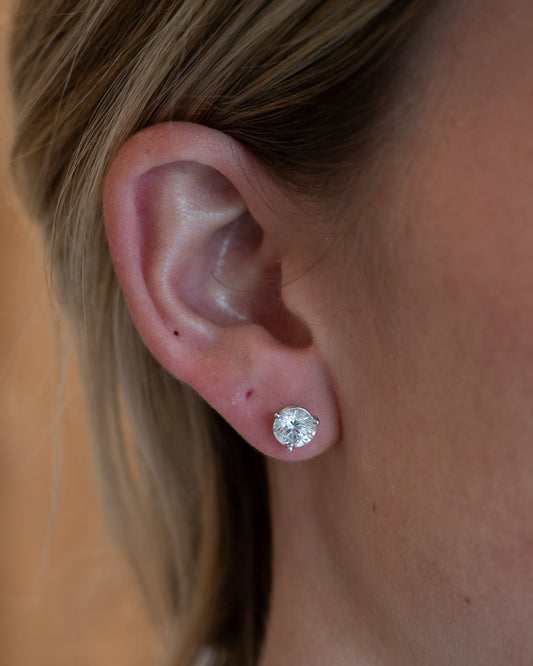
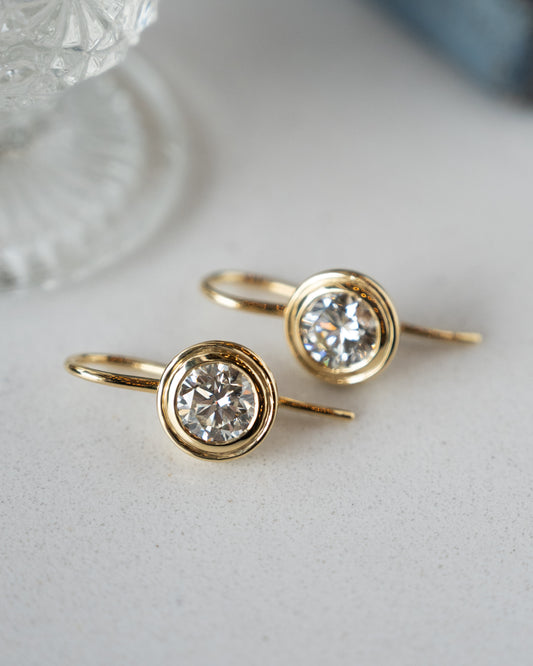
2.28 Round Brilliant Diamond Stud Earrings 18k
Regular price $9,800.00Regular priceUnit price per -
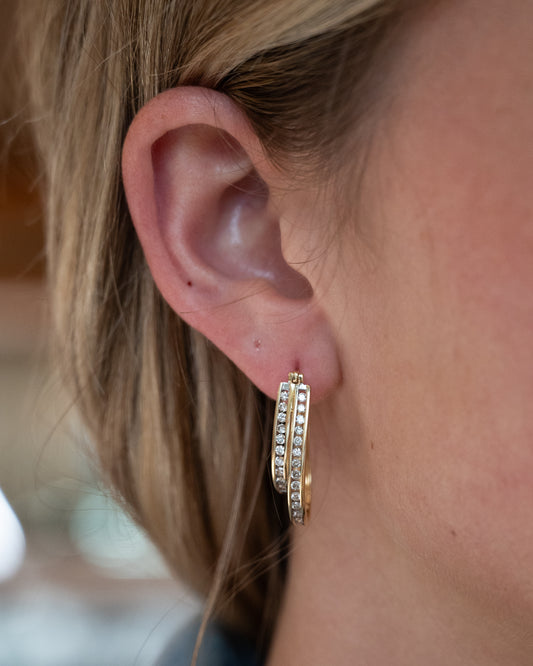
.92 Double Hoop Diamond Earrings 14k Yellow Gold
Regular price $2,150.00Regular priceUnit price per -
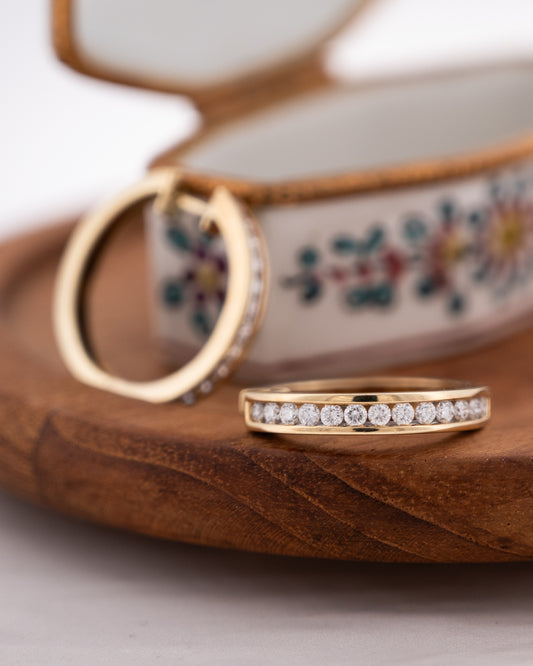
.99 Round Diamond Hoop Earrings 14k Yellow Gold
Regular price $2,650.00Regular priceUnit price per -
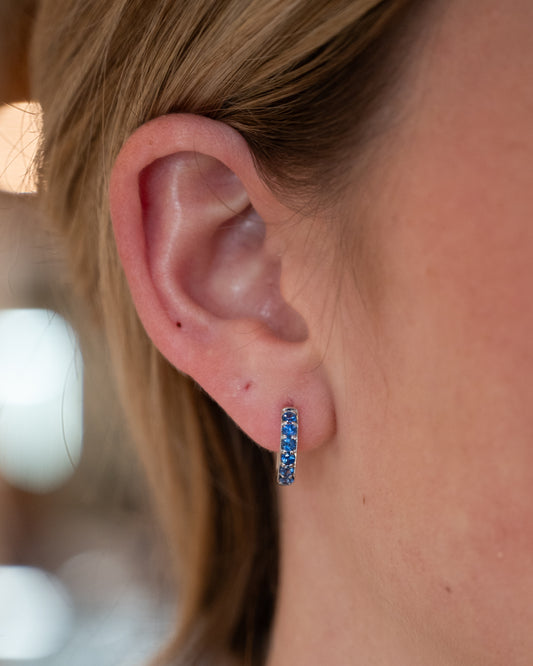
.63 Effy Blue Sapphire Huggie Hoop Earrings 14K
Regular price $1,450.00Regular priceUnit price per -
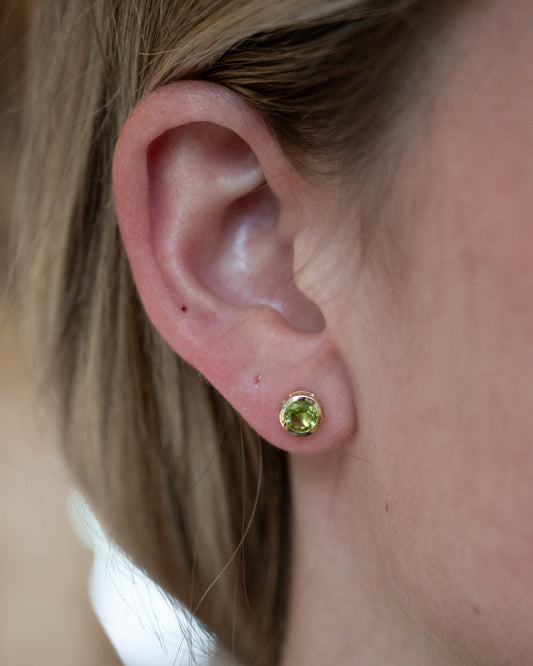
1.00 Carat Peridot Stud Earrings 14k Yellow Gold
Regular price $825.00Regular priceUnit price per -
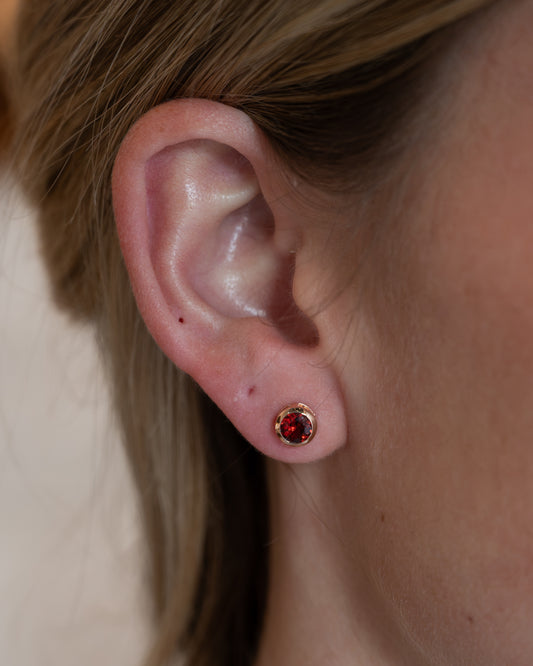
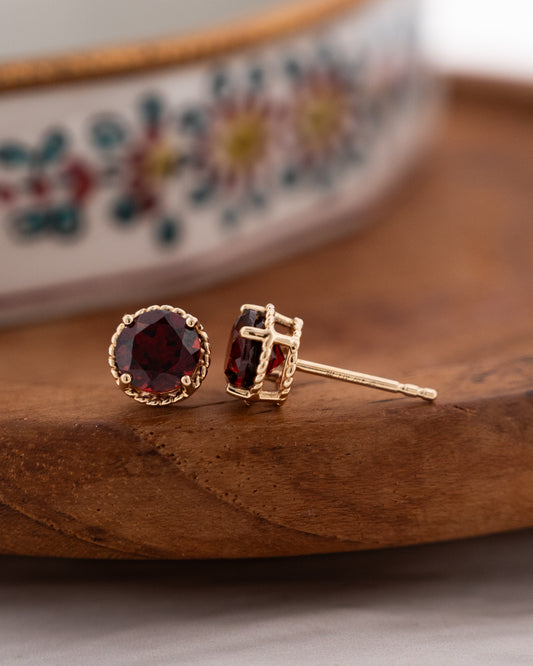
1.25 Round Cut Garnet Stud Earrings 14k
Regular price $825.00Regular priceUnit price per -
2.30 Round Garnet Stud Earrings 14k Yellow Gold
Regular price $750.00Regular priceUnit price per -
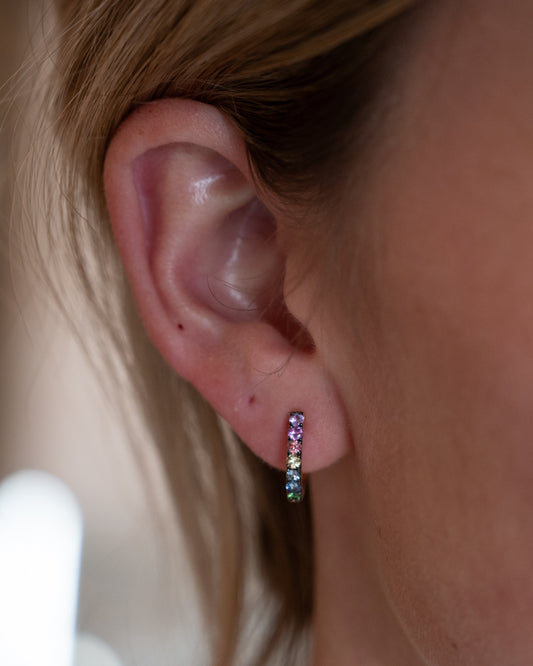
Effy Rainbow Sapphire Huggie Hoop Earrings 14k
Regular price $1,450.00Regular priceUnit price per -
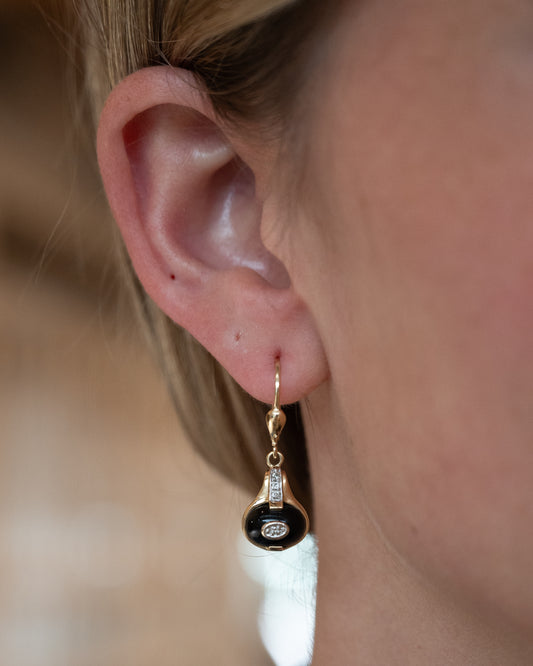
Vintage Mid-Century Diamond & Onyx Drop Earrings 14k
Regular price $900.00Regular priceUnit price per -
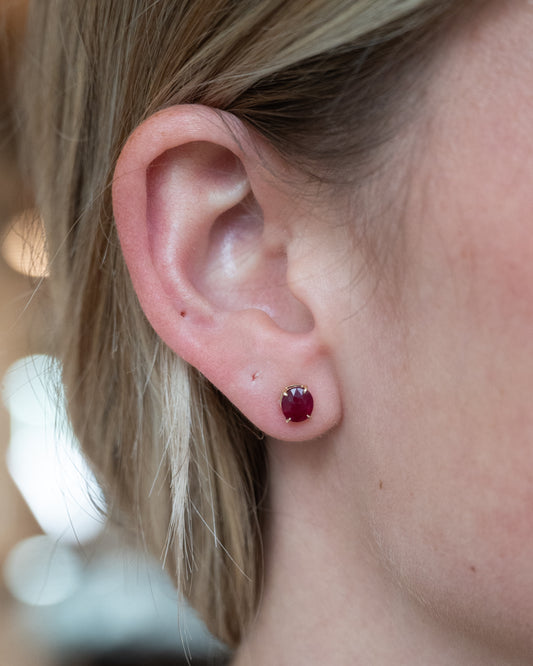
1.78 Ruby Oval Stud Earrings 14k Yellow Gold
Regular price $2,800.00Regular priceUnit price per -
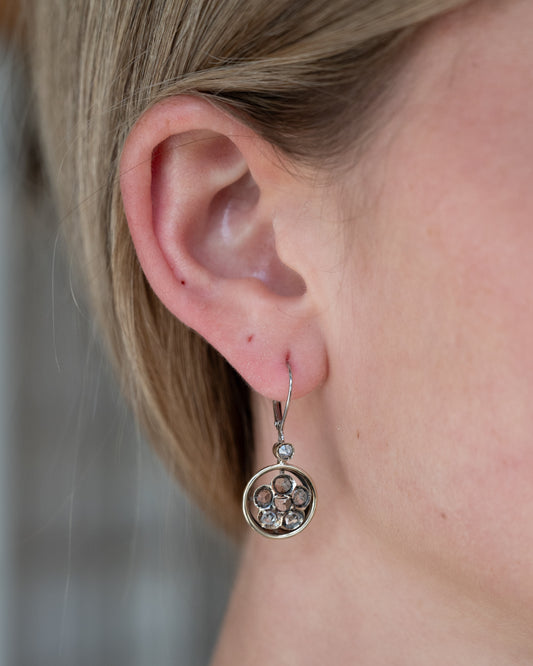
.64 Antique Edwardian Diamond Drop Earrings Two-Tone 14K
Regular price $1,600.00Regular priceUnit price per -
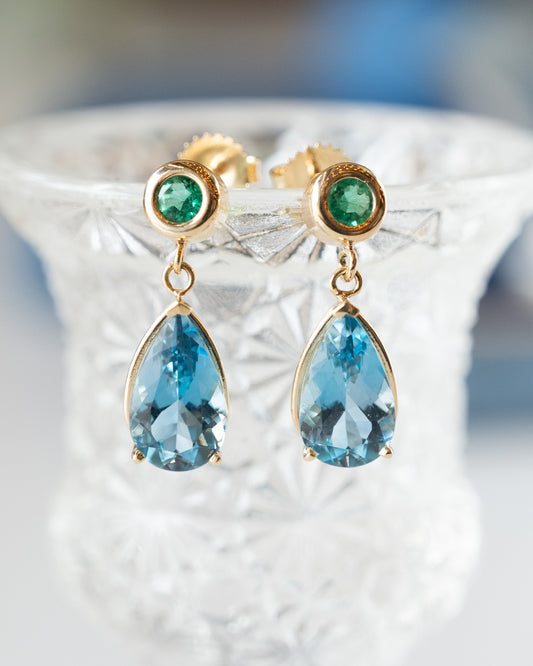
5.85 Pear Aquamarine & Emerald Drop Earrings 14k
Regular price $4,800.00Regular priceUnit price per -
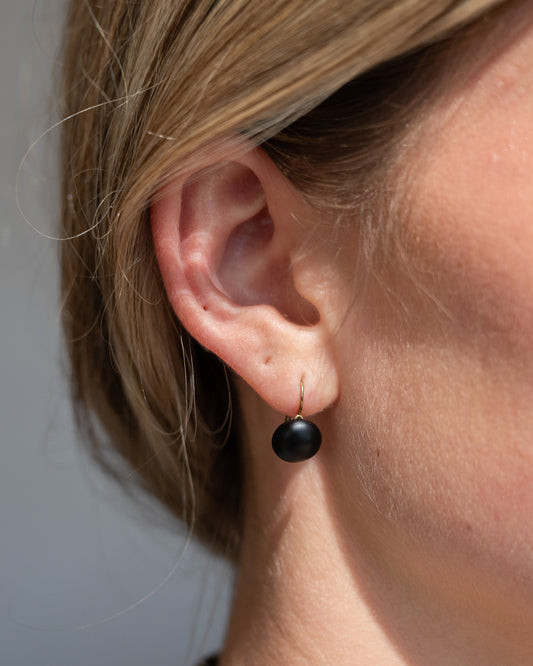
Antique Victorian Jet Drop Earrings 10k Yellow Gold
Regular price $550.00Regular priceUnit price per -
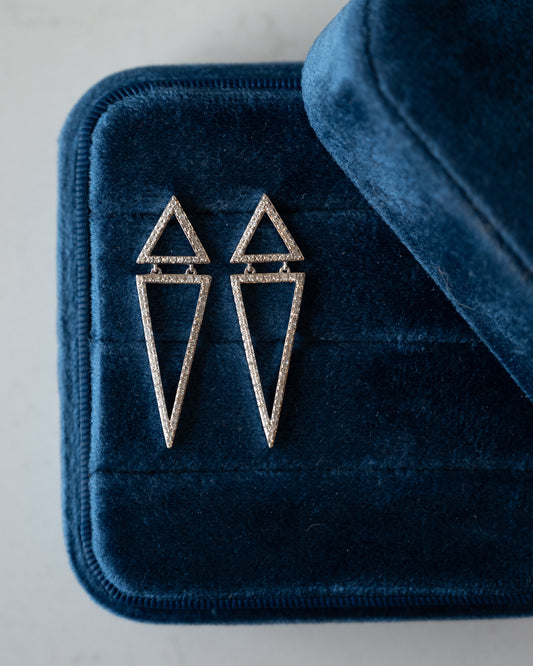
.59 Effy Diamond Triangle Drop Earrings 14k White Gold
Regular price $2,300.00Regular priceUnit price per -
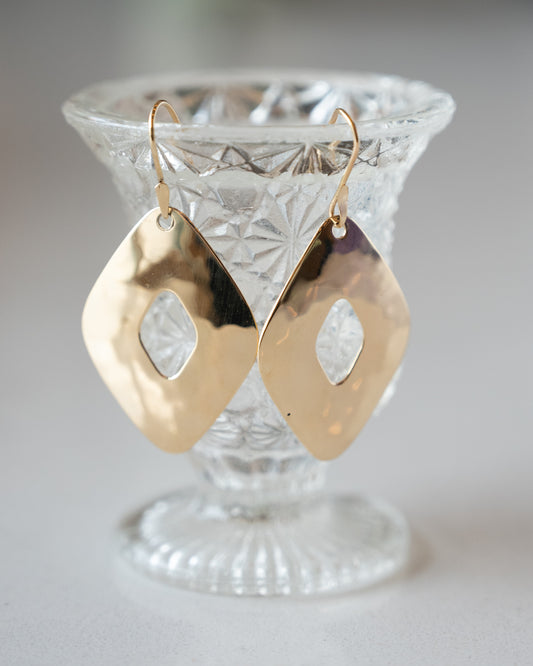
Hammered Kite Drop Earrings 14k Yellow Gold
Regular price $1,650.00Regular priceUnit price per -
2.05 GIA Round Brilliant Diamond Drop Earrings 18k
Regular price $26,000.00Regular priceUnit price per -
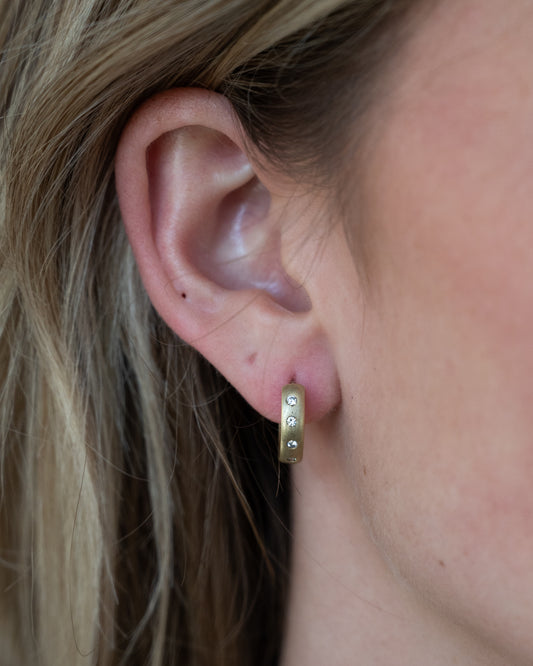
.12 Round Diamond Hoop Earrings 14k Yellow Gold
Regular price $1,100.00Regular priceUnit price per -
1.10 Shield & Step Cut Diamond Drop Earrings 18k
Regular price $6,150.00Regular priceUnit price per -
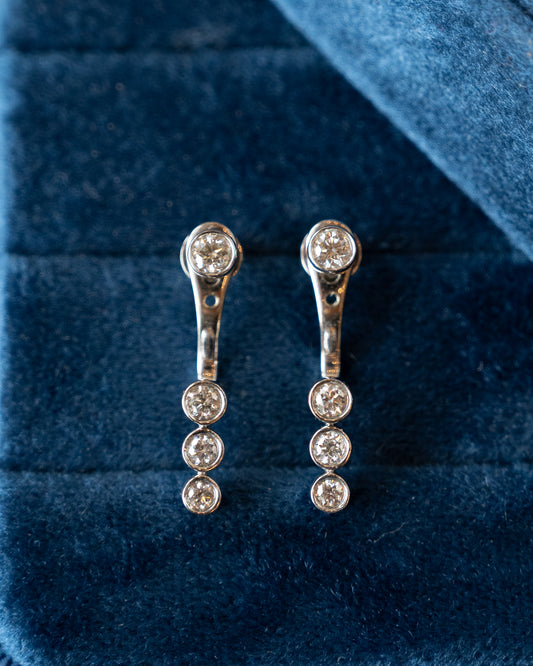
Diamond Stud Earrings w/ Diamond Jacket 14k White Gold
Regular price $2,400.00Regular priceUnit price per -
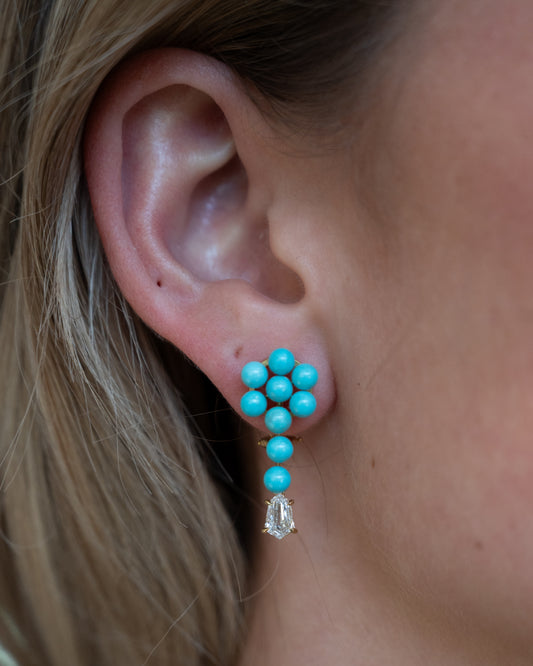
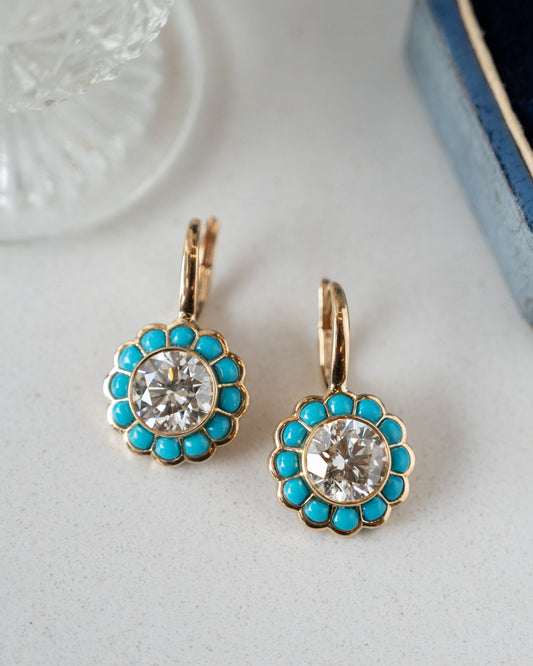
4.02 GIA Diamond & Turquoise Drop Earrings 18k
Regular price $39,500.00Regular priceUnit price per -
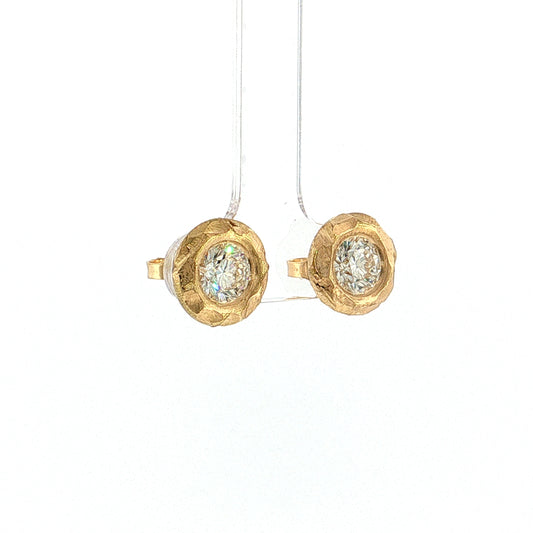
2.01 GIA Diamond Stud Earrings 18k Yellow Gold
Regular price $8,950.00Regular priceUnit price per -
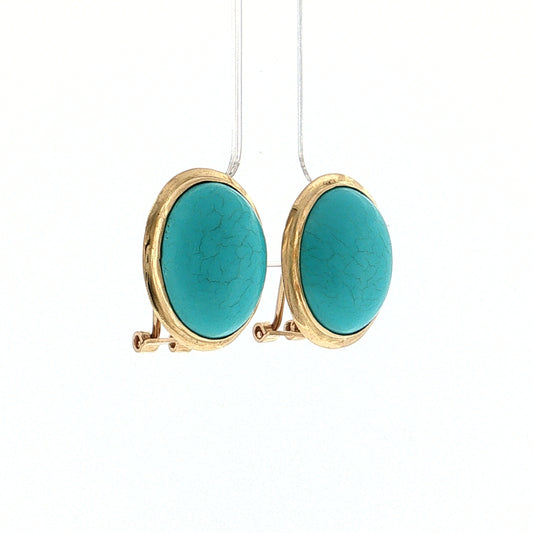
14.50 Turquoise Oval Stud Earrings 14k
Regular price $1,450.00Regular priceUnit price per
























About
Earrings
Q: What earring backing is most secure?
Screw backs are the most secure option for valuable earrings because they thread onto the post and won't come off accidentally. They're standard on high-value diamond studs. Push backs (also called friction backs or butterfly backs) are the most common and are fine for lighter earrings, but they can loosen over time. Lever backs, which are common on vintage drop earrings, use a hinged wire that clicks closed behind the ear and are both secure and comfortable for extended wear. For hoops, a hinged click-top closure is more reliable than a simple wire hook.
Q: Can vintage earrings be converted from clip-on to pierced?
Yes. A jeweler can remove the clip-on mechanism and add a post and backing. The conversion is straightforward on most earrings and doesn't affect the front appearance. The reverse is also possible: pierced earrings can be fitted with clip-on adapters or permanently converted. For valuable vintage pieces, it's worth discussing the conversion with a jeweler experienced in period jewelry to make sure the modification doesn't affect the structural integrity or reduce the value of the piece.
Q: How do I know what size diamond studs to get?
Size depends on how you plan to wear them. For everyday studs that work with everything, 0.25 to 0.50 total carat weight (both ears combined) is the most versatile range. For studs that make more of a visual statement while still being appropriate for daily wear, 0.75 to 1.50 total carat weight is the most popular range. Above 2.00 total carat weight, studs start to read as occasion pieces. The setting style also affects the perceived size: halo settings make the center stone look larger, while bezel settings sit flatter and more streamlined on the ear.
Q: What earring styles work best for sensitive ears?
Metal type is usually the issue. Platinum, 18k gold, and 14k gold are the least likely to cause reactions. Nickel is the most common irritant, and it's sometimes present in lower-karat gold alloys and costume metals. If you have a known sensitivity, platinum posts or 18k gold posts are the safest options. For vintage earrings, the metal composition of the post and backing matters more than the metal of the earring itself, since the post is what contacts the piercing. Screw backs and lever backs tend to be more comfortable for sensitive ears than push backs because they distribute pressure more evenly.
Q: How should I store earrings to keep them from getting damaged?
Store pairs together in individual compartments or soft pouches to prevent scratching. Diamond earrings can scratch gold and softer gemstones if stored loose together in a jewelry box. For drop earrings and chandeliers, lay them flat rather than hanging them to avoid stressing the connections between links. Vintage earrings with delicate filigree or enamel work benefit from being wrapped in soft cloth. Keep all earrings away from moisture and humidity, which can tarnish metals over time.