
-
10 Carat Diamond Tennis Necklace in 14k
Regular price $19,800.00Regular priceUnit price per -
4.77 Pear Cut Diamond Drop Earrings 18k White Gold
Regular price $72,000.00Regular priceUnit price per -
16.27ct Emerald Cut Diamond Tennis Bracelet 18k White Gold
Regular price $39,500.00Regular priceUnit price per -
David Yurman Waverly Diamond Buckle Bangle 18k
Regular price $29,500.00Regular priceUnit price per -
8.09ct Oval Cut Diamond Drop Earrings 18K Yellow Gold
Regular price $22,750.00Regular priceUnit price per -
.03 Vintage Diamond & Ruby Lion Cocktail Ring 14k
Regular price $1,700.00Regular priceUnit price per -
.23 Diamond & Black Enamel Cocktail Ring Platinum
Regular price $2,450.00Regular priceUnit price per -
.10 Diamond Cross Pendant Necklace 14k White Gold
Regular price $1,260.00Regular priceUnit price per -
.10 Diamond Cross Milgrain Pendant Necklace 14k Yellow Gold
Regular price $1,260.00Regular priceUnit price per -
5.82 Round Brilliant Diamond Tennis Necklace 14K Yellow Gold
Regular price $6,900.00Regular priceUnit price per -
.72 Grey Rose Cut Diamond Stacking Band 14k & Sterling Silver
Regular price $2,900.00Regular priceUnit price per -
Men's Coiled Snake Diamond Ring Platinum
Regular price $3,200.00Regular priceUnit price per -
.31 Effy Diamond Medallion Pendant Necklace 14k Yellow Gold
Regular price $1,800.00Regular priceUnit price per -
.51 Pear Diamond & Emerald Pendant Necklace 14k Gold
Regular price $5,950.00Regular priceUnit price per -
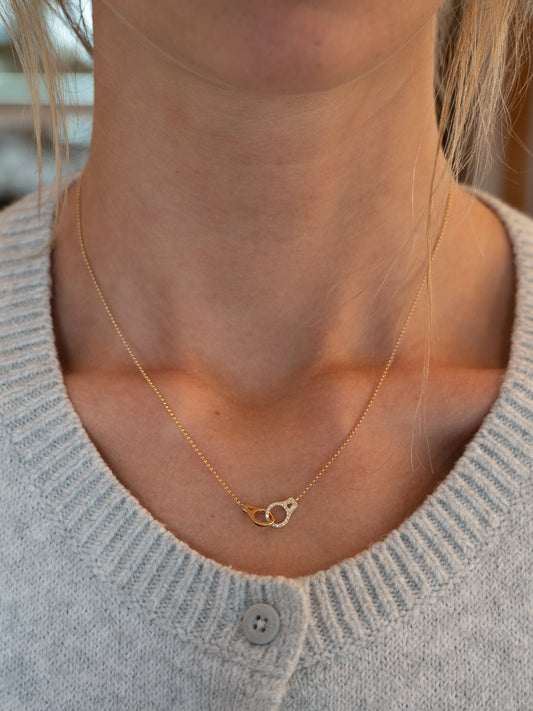
Effy Diamond Handcuff Pendant Necklace 14k Yellow Gold
Regular price $1,495.00Regular priceUnit price per -
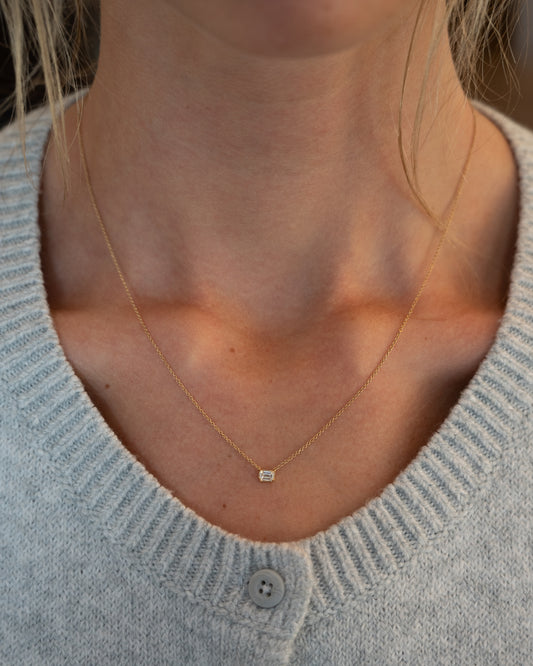
.33 Emerald Cut Diamond Pendant Necklace 14k Yellow Gold
Regular price $1,200.00Regular priceUnit price per -
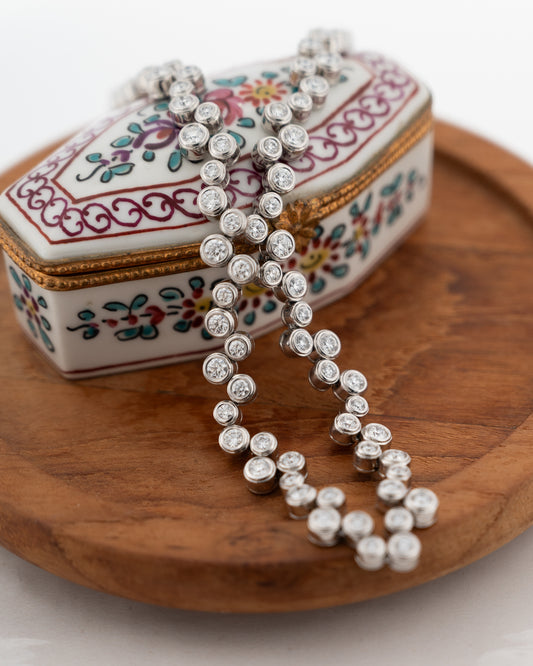
13.90 Tiffany & Co Diamond Bubble Necklace Platinum
Regular price $48,000.00Regular priceUnit price per -
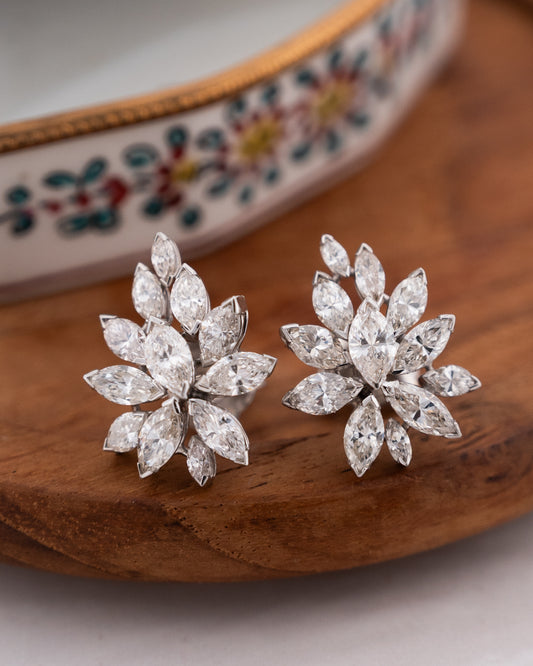
7 Carat Marquise Diamond Cluster Earrings 14K White Gold
Regular price $14,750.00Regular priceUnit price per -
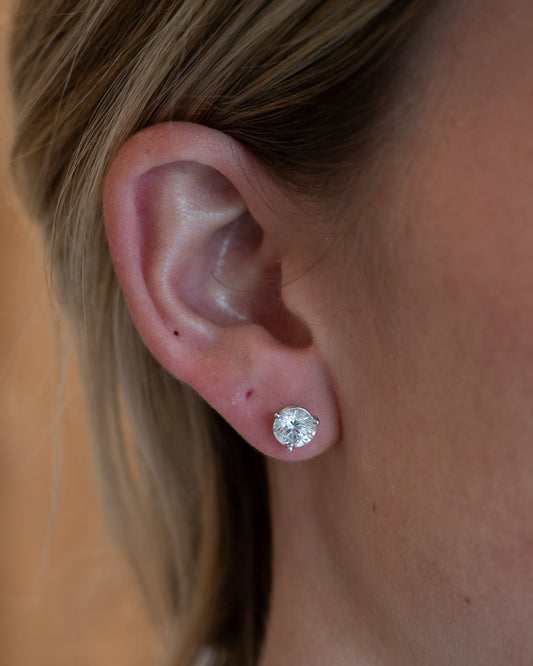
2.28 Round Brilliant Diamond Stud Earrings 18k
Regular price $9,800.00Regular priceUnit price per -
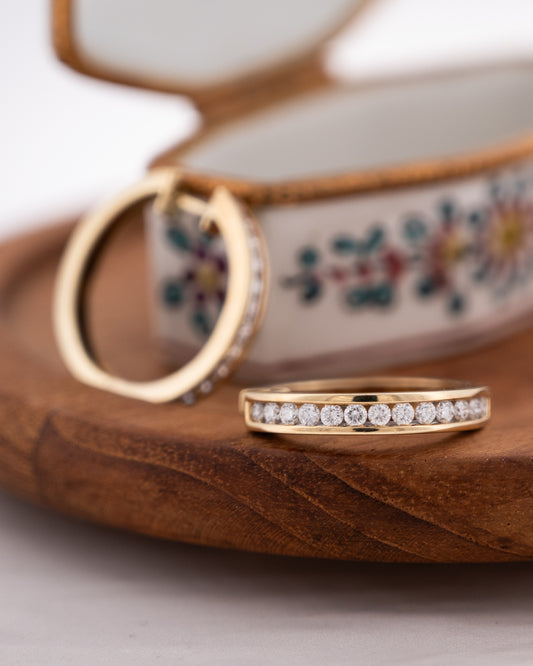
.92 Double Hoop Diamond Earrings 14k Yellow Gold
Regular price $2,150.00Regular priceUnit price per -
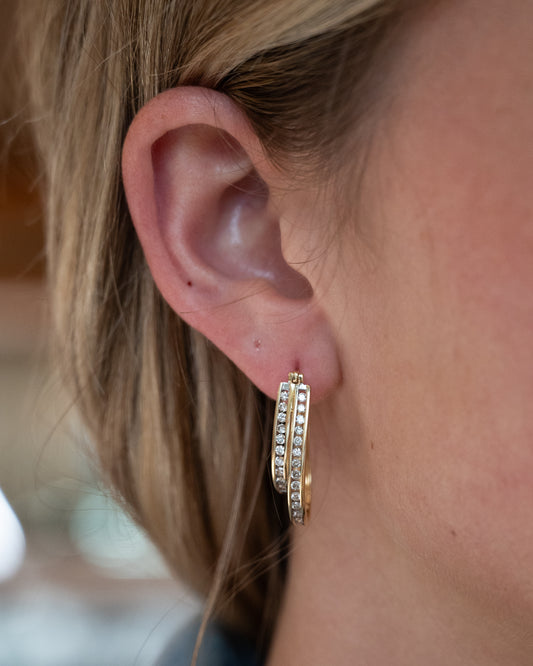
.99 Round Diamond Hoop Earrings 14k Yellow Gold
Regular price $2,650.00Regular priceUnit price per -
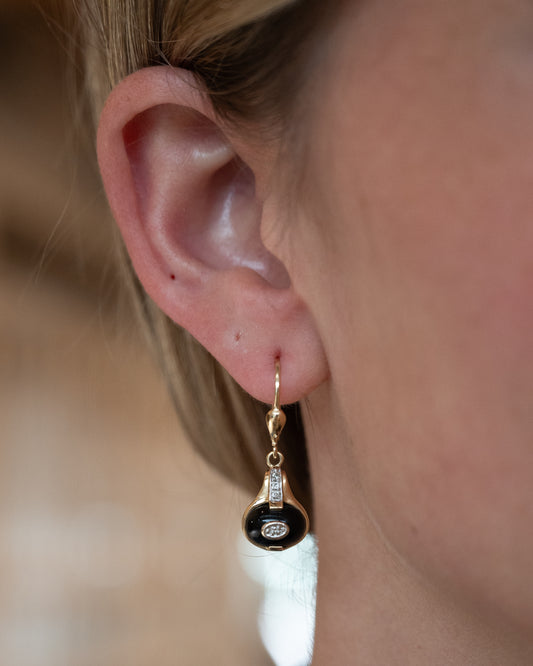
Vintage Mid-Century Diamond & Onyx Drop Earrings 14k
Regular price $900.00Regular priceUnit price per -
.41 Diamond Station Necklace 18k Yellow Gold
Regular price $1,985.00Regular priceUnit price per -
.08 Diamond Cross Pendant Necklace 14k Yellow Gold
Regular price $1,185.00Regular priceUnit price per











FROM THE JOURNAL
Further reading


About
Diamond Jewelry
Q: What is the birthstone for April?
April's birthstone is diamond, crystallized carbon formed deep in the earth under pressure and heat no other gem experiences, then carried to the surface in ancient volcanic pipes. It is the hardest natural material known, the standard against which everything else is measured, and the only birthstone that doubles as the default gem of celebration across nearly every culture that wears jewelry. This collection is diamond beyond the bridal case: necklaces, earrings, bracelets, brooches, and rings worn for no occasion but the day itself. An April birthday has the widest field of any month, from a century-old hand-cut stone to a crisply modern tennis line, and the pleasure is in choosing which century suits you.
Q: What is the difference between old cut and modern diamonds?
Before electric light, diamonds were cut by hand and by eye for candlelight. Old mine cuts, with their cushioned outlines and high crowns, and the rounder old European cuts that followed, carry small facets, open culets, and a soft, warm fire that flickers rather than blazes. The modern round brilliant, standardized in the twentieth century, is cut by formula for maximum white light return and reads brighter and icier. Neither is superior; they are different instruments. An old cut suits low light, vintage settings, and anyone drawn to the idea that no two hand-cut stones repeat. A modern brilliant suits precision and sparkle at every hour. We keep both, often side by side, and the comparison in person settles the question faster than any description.
Q: Do the four Cs matter for jewelry beyond engagement rings?
hey matter, with different weight. Cut, color, clarity, and carat weight describe any diamond, but grading language was built around modern stones bought one at a time, and it fits a multi-stone bracelet or an antique brooch loosely. In pieces with many diamonds, evenness matters more than any single grade: stones that match each other in color and liveliness make the piece. In antique jewelry, character outranks paperwork; an old European cut with visible hand-cut individuality is the point, not a deduction. Where a single significant stone anchors a piece, grading returns to full relevance and laboratory reports matter. We are always glad to explain what the numbers mean for a specific piece and, just as important, where they stop mattering.
Q: Is diamond really as durable as its reputation?
Almost. At 10 on the Mohs scale diamond cannot be scratched by anything but another diamond, which is why a well-worn diamond ring still shows crisp facet edges decades on. Hardness is not toughness, though: diamond has cleavage planes, and a precise hard knock at the wrong angle can chip even this stone, usually at a thin girdle edge. In practice that means diamonds are the most carefree gems in daily wear, with two habits worth keeping: settings checked periodically so a loosened prong never gets the chance to lose a stone, and rings off for genuinely rough work. A diamond piece treated with that minimal respect outlasts its owner, which is why so much of what we sell has already outlasted its first.