
-
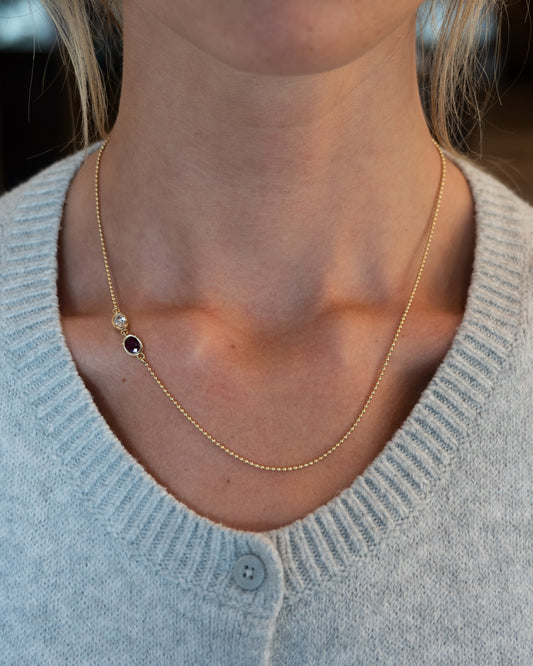
1.03 Oval Ruby & Diamond Pendant Necklace 14k Yellow Gold
Regular price $6,150.00Regular priceUnit price per -
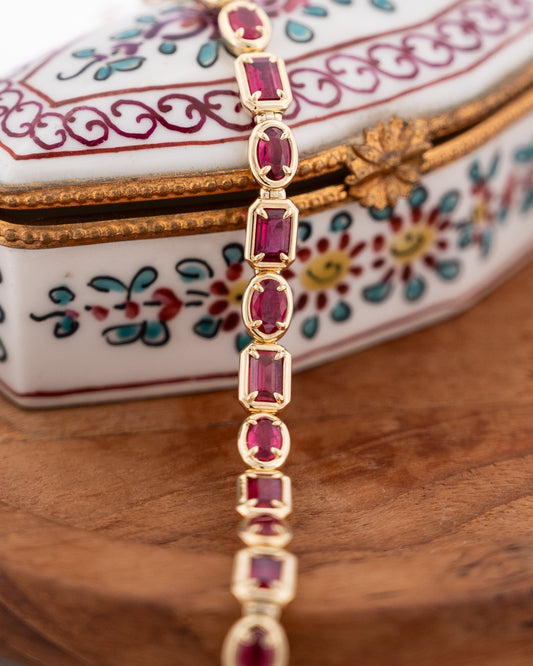
6.92 Oval Ruby Line Bracelet 18k Rose Gold
Regular price $14,500.00Regular priceUnit price per -
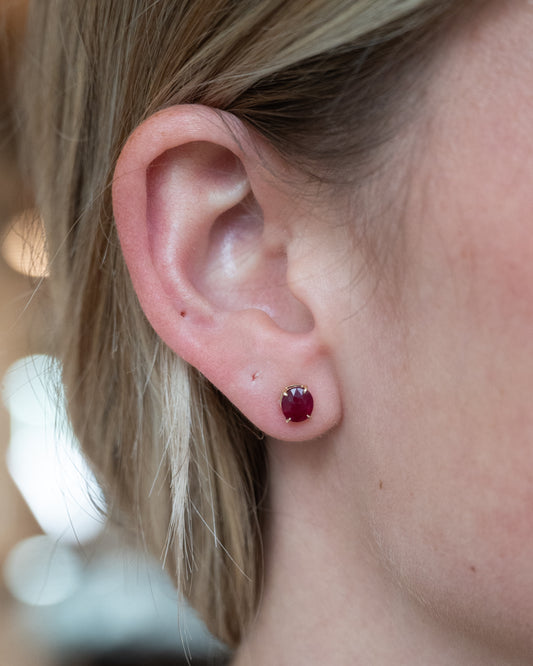
1.78 Ruby Oval Stud Earrings 14k Yellow Gold
Regular price $2,800.00Regular priceUnit price per -
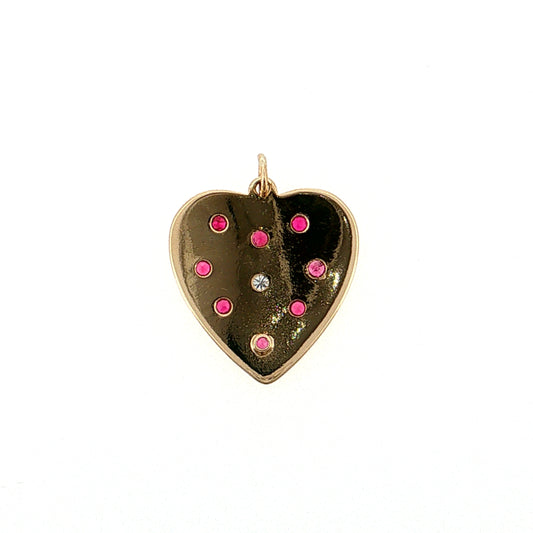
1.20 Ruby & Diamond Heart Pendant 14k Yellow Gold
Regular price $3,800.00Regular priceUnit price per -
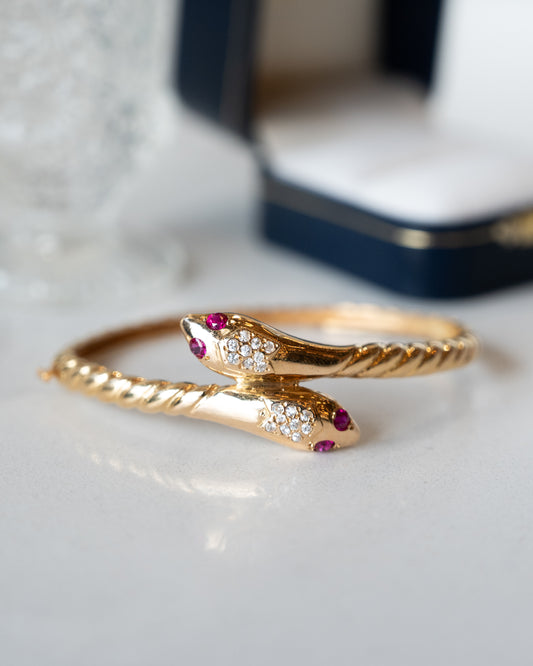
Ruby & Diamond Snake Bangle Bracelet 18k Yellow Gold
Regular price $5,950.00Regular priceUnit price per -
6 Carat Ruby & Diamond Tennis Bracelet 14k
Regular price $12,500.00Regular priceUnit price per -
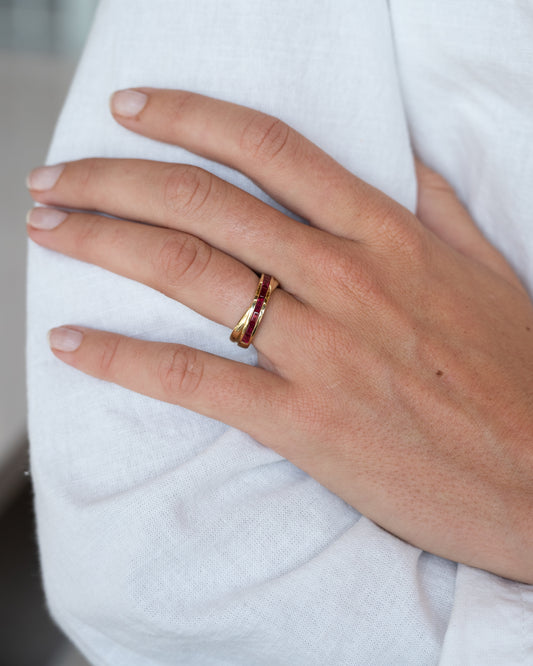
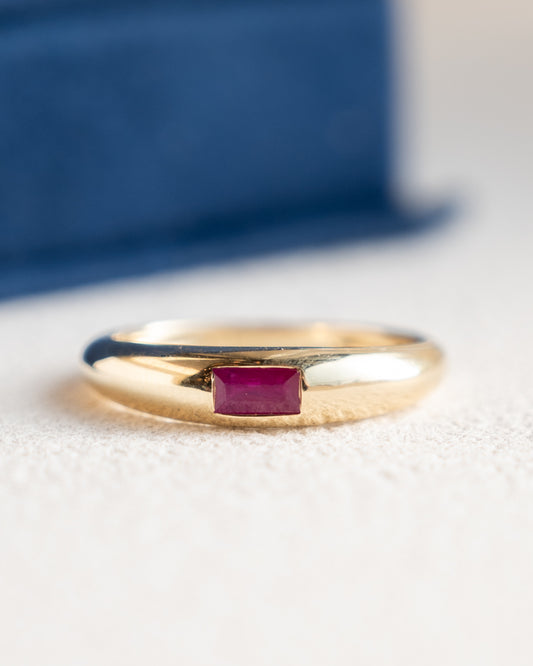
Ruby Baguette Bypass Stacking Ring 18k
Regular price $2,875.00Regular priceUnit price per -
1.24 Oval Ruby Cocktail Ring 14k Yellow Gold
Regular price $1,900.00Regular priceUnit price per -
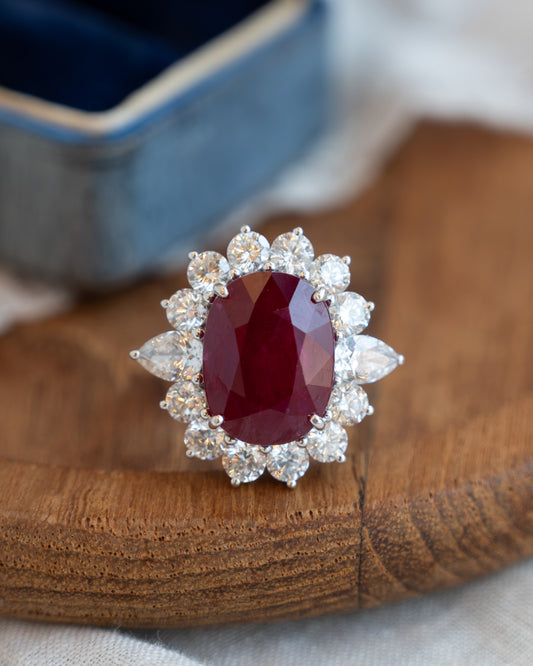
8.86 Ruby & Diamond Cocktail Ring Platinum
Regular price $45,000.00Regular priceUnit price per -
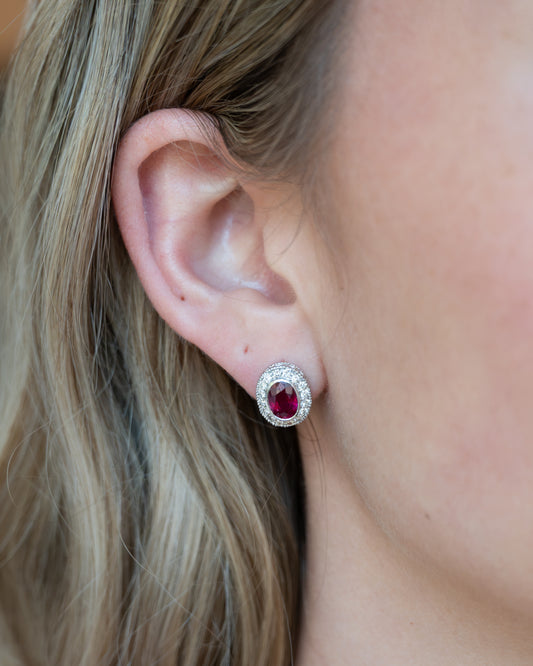
2.08 Ruby & Diamond Halo Stud Earrings 14k White Gold
Regular price $3,750.00Regular priceUnit price per -
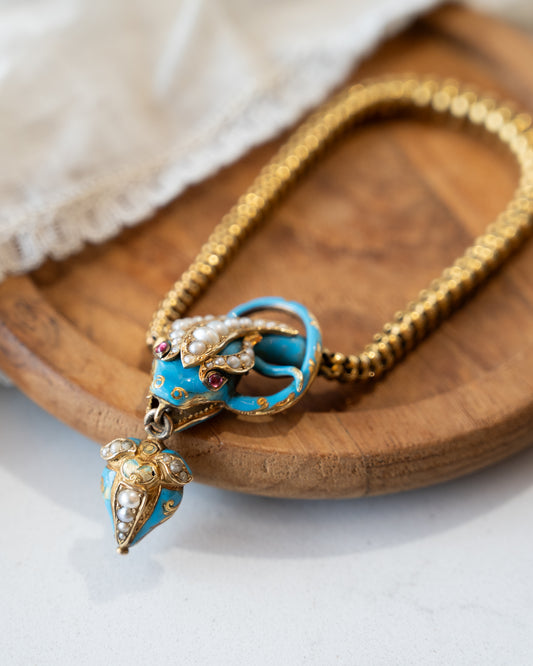
Victorian Ruby & Pearl Snake Bracelet 18k
Regular price $8,300.00Regular priceUnit price per -
14.35 Ruby Necklace 18k Yellow Gold
Regular price $29,000.00Regular priceUnit price per -
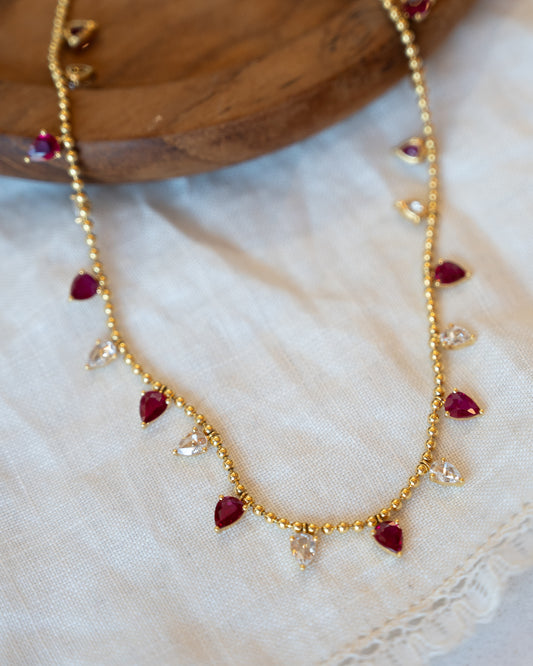
2.67 Pear Ruby Pendant Necklace 18k Yellow Gold
Regular price $8,800.00Regular priceUnit price per -
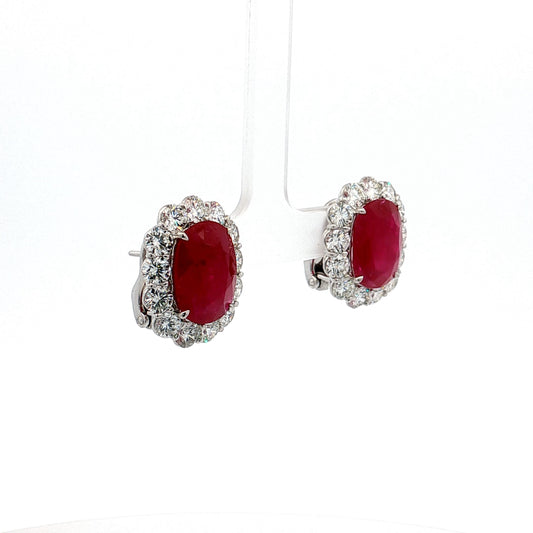
14.07 Cushion Ruby Diamond Halo Stud Earrings Platinum
Regular price $37,000.00Regular priceUnit price per -
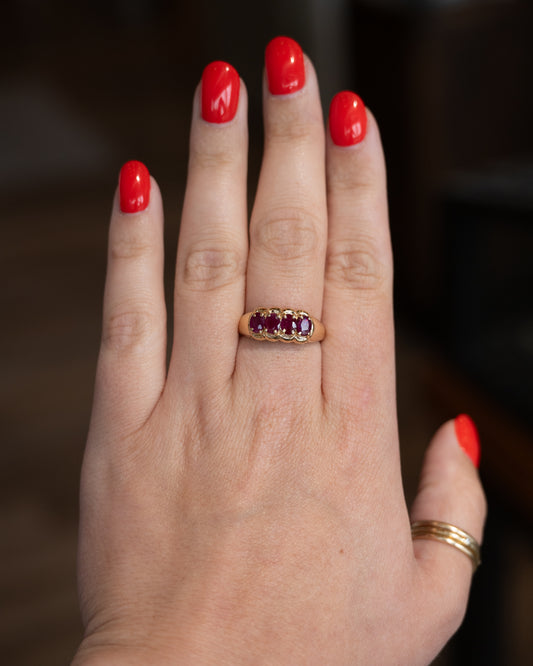
Ruby & Diamond Five Stone Ring 14k
Regular price $1,750.00Regular priceUnit price per -
2.23 Pear Ruby & Rose Diamond Necklace 18k
Regular price $7,950.00Regular priceUnit price per -
1.30 Ruby & Diamond Bangle Bracelet 14k Yellow Gold
Regular price $3,250.00Regular priceUnit price per -
6.63 Rubie & Diamond Tennis Necklace 18k
Regular price $9,150.00Regular priceUnit price per -
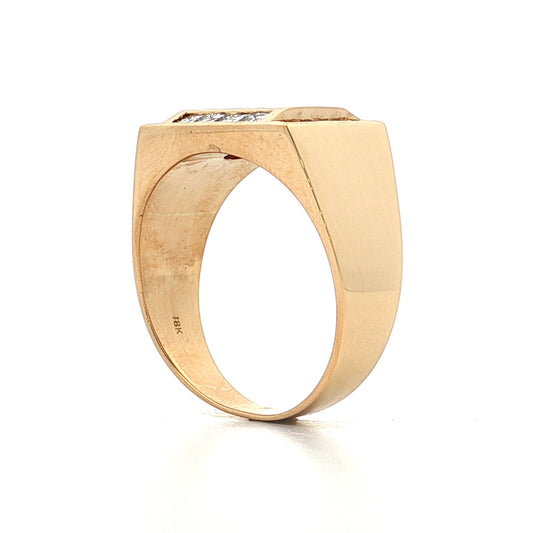
.88 Mens Ruby & Diamond Ring 14k Yellow Gold
Regular price $3,200.00Regular priceUnit price per -
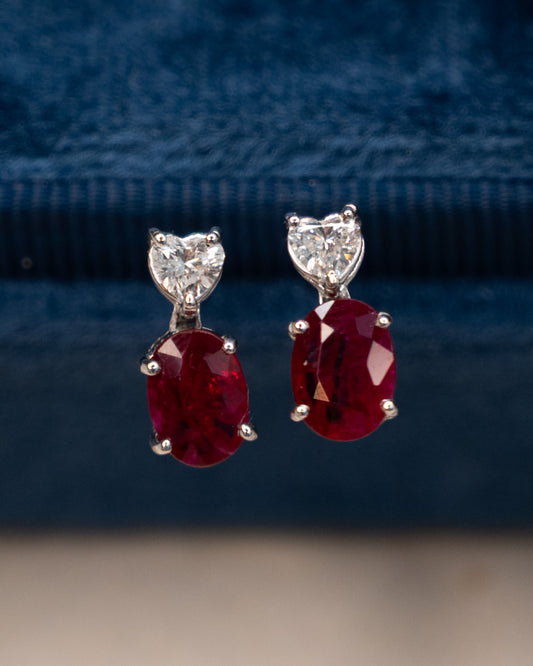
1.96 Ruby & Heart Diamond Drop Stud Earrings 18k
Regular price $2,650.00Regular priceUnit price per -
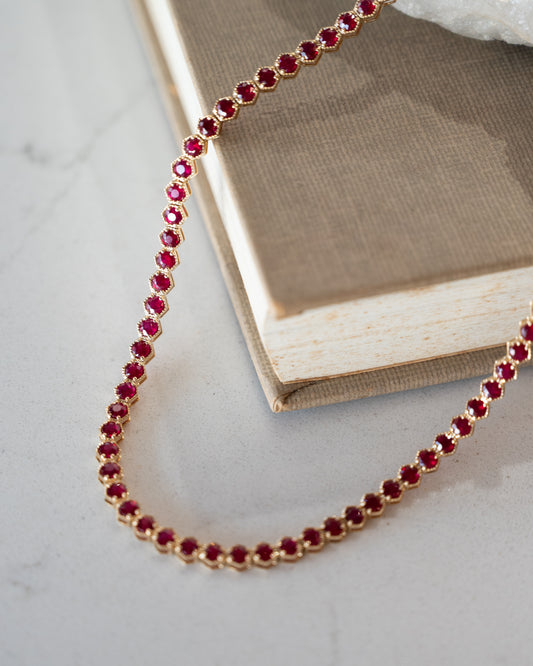
15.01 Round Cut Ruby Tennis Necklace 14k Yellow Gold
Regular price $14,950.00Regular priceUnit price per -
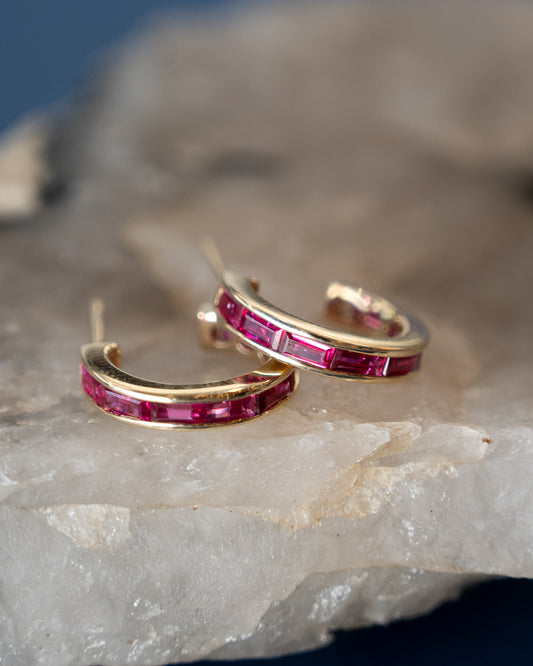
2.05 Baguette Ruby Hoop Earrings in 14k Yellow Gold
Regular price $3,150.00Regular priceUnit price per -
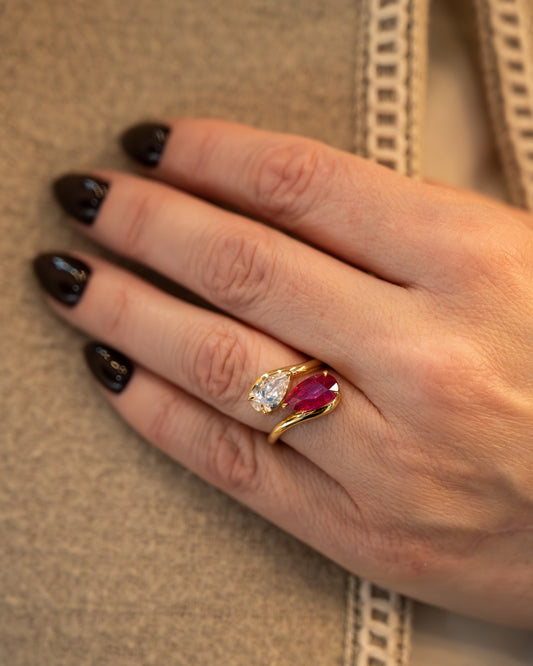
Diamond & Ruby Toi Et Moi Cocktail Ring 18k Yellow Gold
Regular price $16,500.00Regular priceUnit price per -
.30 Baguette Ruby Stacking Ring 14k Yellow Gold
Regular price $995.00Regular priceUnit price per























FROM THE JOURNAL
Further reading

About
Ruby Jewelry
Q: What is the birthstone for July?
Ruby is the traditional and modern birthstone for July, and it has held that position on every major birthstone list since the calendars were first standardized. The stone is corundum, the same mineral species as sapphire. When corundum grows with a trace of chromium in its crystal structure, it turns red, and by convention all red corundum is called ruby while every other color is called sapphire. That chromium also causes fluorescence, which gives fine rubies an intensity of color that few other red stones can match. Rubies have been mined and traded for well over two thousand years, prized in Burma, India, and Ceylon long before they reached European courts, so a July birthday comes with one of the deepest histories in gemstones.
Q: What is the difference between a ruby and a red garnet or spinel
The three stones have been confused for centuries, and some of history's most famous rubies, including the Black Prince's Ruby in the British Imperial State Crown, are actually spinels. The differences are mineralogical. Ruby is corundum and owes its red to chromium, which produces a vivid, often fluorescent color. Spinel is a distinct mineral that forms in the same marble deposits as ruby, typically a touch softer and often slightly orange or pink leaning in its reds. Garnet is softer still and tends toward brick, wine, or brownish reds without any fluorescence. A trained gemologist separates them quickly by optics and inclusions. In antique jewelry the distinction matters for identification, and we verify the identity of the stones in the pieces we offer.
Q: What should I look for in a ruby?
Color carries more of a ruby's character than any other factor. The benchmark is a pure, saturated red with just a hint of blue, the shade the trade historically called pigeon's blood and associated with Burmese material, though fine stones come from several origins. After color comes clarity. Rubies almost always contain inclusions, and their presence is expected rather than penalized; fine needles of rutile, called silk, can even soften and improve a stone's color. Cut matters for how evenly the color faces up, and carat weight matters because clean, well-colored rubies grow scarce quickly as size increases. Finally, ask about treatment. Most rubies on the market have been heated to improve color, which is a stable and accepted practice, but it should always be disclosed.
Q: Is ruby durable enough for everyday wear?
Yes, and this is one of ruby's quiet advantages. Corundum measures 9 on the Mohs hardness scale, second only to diamond among gemstones in common wear, so a ruby resists the scratches that dull softer stones over years of daily use. It also lacks the cleavage planes that make some stones prone to splitting on a hard knock. That combination makes ruby one of the few colored stones we recommend without hesitation for engagement rings, wedding bands, and other jewelry that never comes off. As with any stone, a secure setting matters as much as the gem itself, and prongs should be checked periodically by a jeweler.