
-
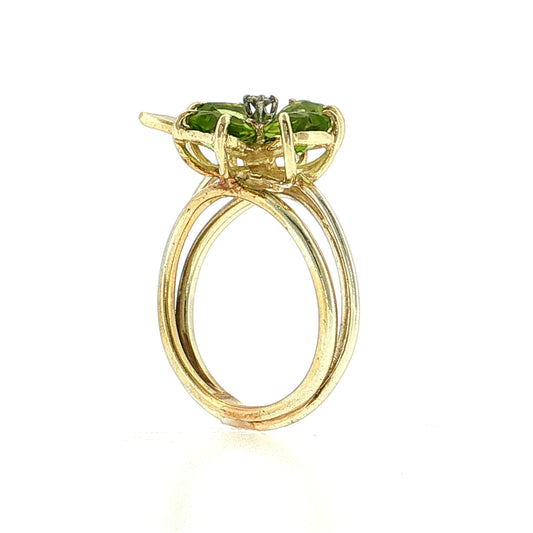
3.40 Peridot & Diamond Clover Cocktail Ring 14k
Regular price $2,150.00Regular priceUnit price per -
1.25 Antique Georgian Old Mine Diamond Ring 10k
Regular price $700.00Regular priceUnit price per -
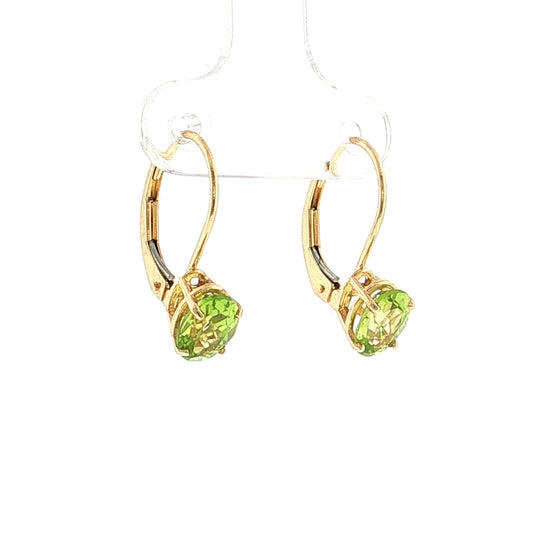
2.50 Oval Peridot Stud Earrings 14k Yellow Gold
Regular price $725.00Regular priceUnit price per -
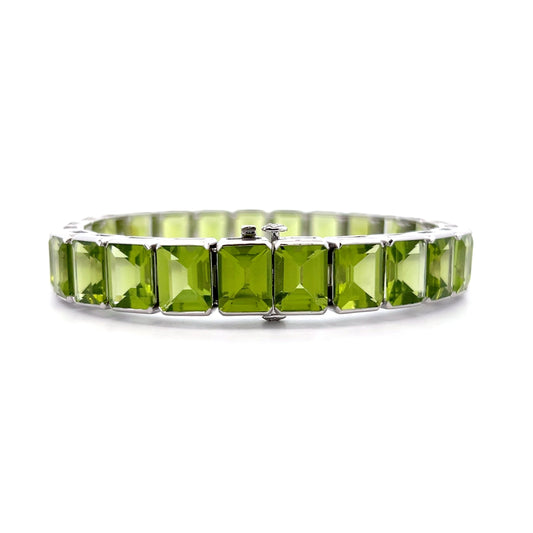
57.22 Emerald Cut Peridot Line Bracelet Platinum
Regular price $12,400.00Regular priceUnit price per -
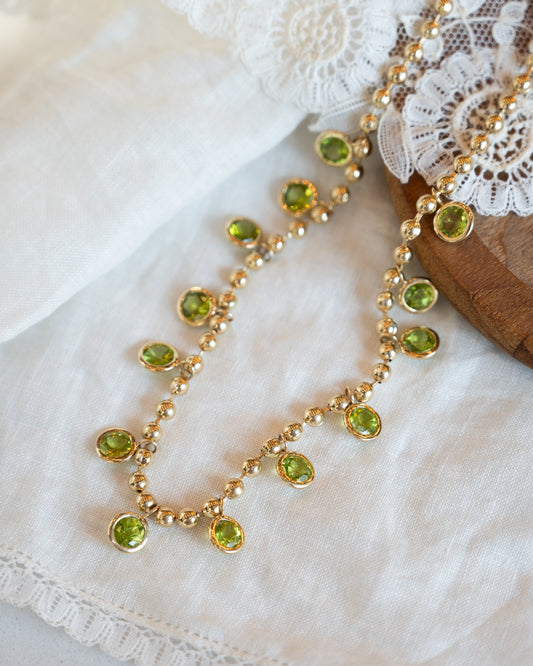
11.39 Peridot Dangle Necklace in 14k Yellow Gold
Regular price $4,675.00Regular priceUnit price per -
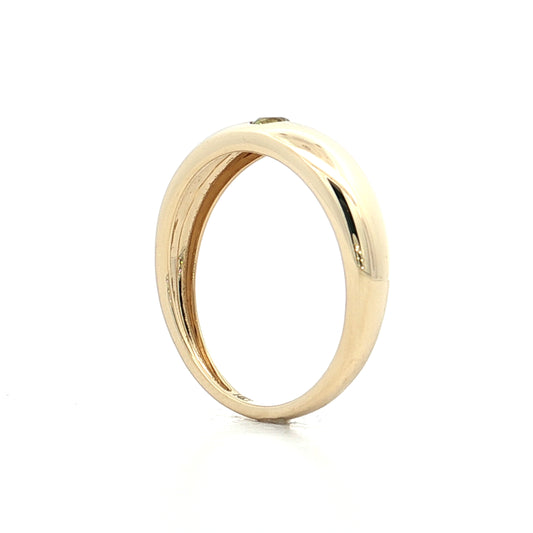
.12 Flush Set Peridot Stacking Ring 14k Yellow Gold
Regular price $895.00Regular priceUnit price per -
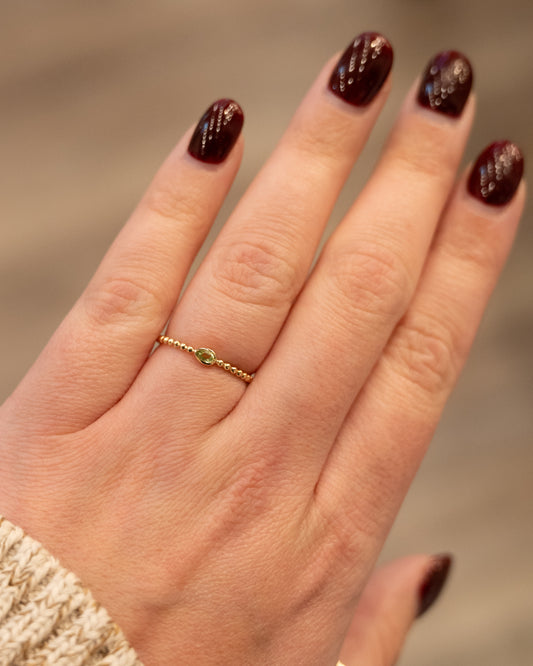
.10 Pear Cut Peridot Stacking Ring 14k Yellow Gold
Regular price $800.00Regular priceUnit price per -
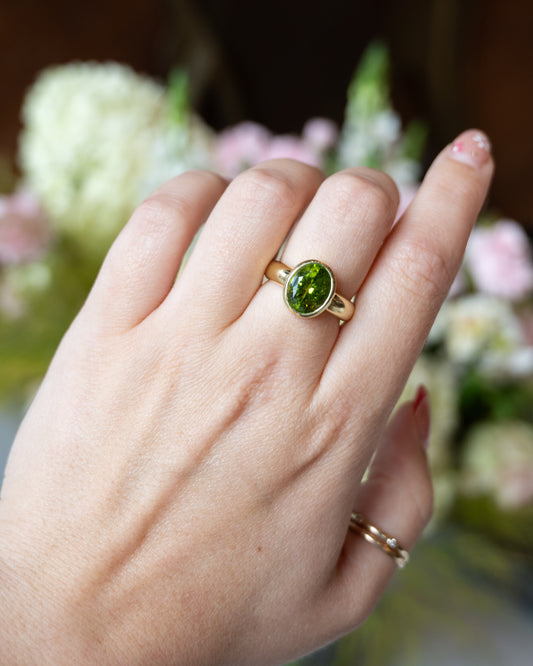
4 Carat Oval Peridot Cocktail Ring in 18k Yellow Gold
Regular price $3,800.00Regular priceUnit price per








About
Peridot Jewelry
Q: What is the birthstone for August?
Peridot is August's birthstone, the gem variety of the mineral olivine, and one of the oldest stones in continuous use. The ancient Egyptians mined it on Zabargad, an island in the Red Sea, and legend holds the miners worked at night because the stone was easier to find when it glowed under starlight. That nocturnal streak followed peridot through history: because its green stays vivid under lamplight and candlelight where many stones go muddy, it earned the nickname evening emerald. Some historians argue several of Cleopatra's famous emeralds were actually fine peridots, a case of the stone being too good at its job.
Q: Why is peridot always green?
Most gems take their color from trace impurities; the same mineral can be several different gems depending on what wandered into the crystal. Peridot is different. Iron is part of its essential chemistry, not a visitor, so the stone forms green or it does not form at all. Gemologists call such stones idiochromatic, colored by themselves. The practical result is a gem with one identity and infinite small variations on it, from yellowish spring green to a saturated grass green with a golden warmth underneath. Peridot also forms in dramatic places: in volcanic rock carried up from the earth's mantle, and occasionally in pallasite meteorites, making it one of the very few gems that has genuinely arrived from space.
Q: What should I look for in a peridot?
Color, as with most colored stones, leads: the most sought tone is a pure, saturated grass green with minimal brown, since a brownish cast is the mark of lesser material. Larger stones display deeper color, and peridot above a few carats begins to show what the species can really do. Clarity should be good; peridot is usually eye-clean, though under magnification it may reveal the disc-shaped inclusions the trade charmingly calls lily pads, which do no harm and help confirm identity. Peridot is strongly doubly refractive, meaning you can sometimes see a doubling of the back facets through the stone with the naked eye, a quirk collectors learn to enjoy.
Q: Is peridot durable enough for everyday wear?
Peridot measures 6.5 to 7 on the Mohs scale, workable for regular wear with a little respect. Earrings, pendants, and brooches carry it without concern. In rings, peridot prefers settings that give the stone some shelter, a bezel or a low protective basket, and it appreciates being taken off for rough work. Its one genuine sensitivity is chemical rather than mechanical: peridot dislikes acids, including prolonged contact with perspiration in extreme cases, and rapid temperature swings. None of this makes it delicate; antique peridot pieces survive in fine condition everywhere. It simply rewards an owner who treats it as a colored stone rather than a diamond.
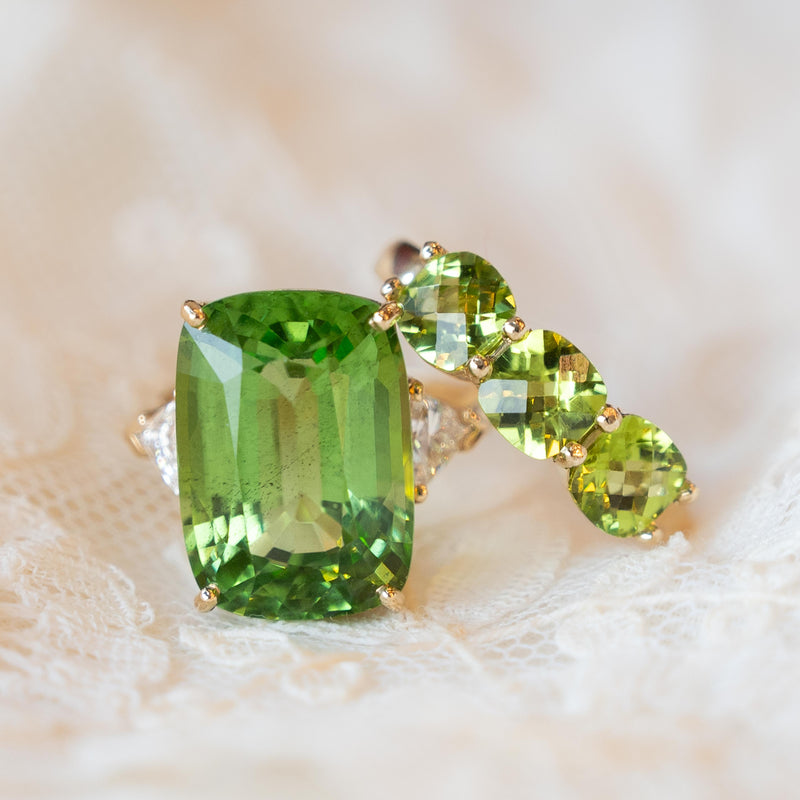
Peridot: August Birthstone Guide
The gem mined by night in ancient Egypt, why its green is built in rather than borrowed, and how to wear the evening emerald
Read the Guide