
-
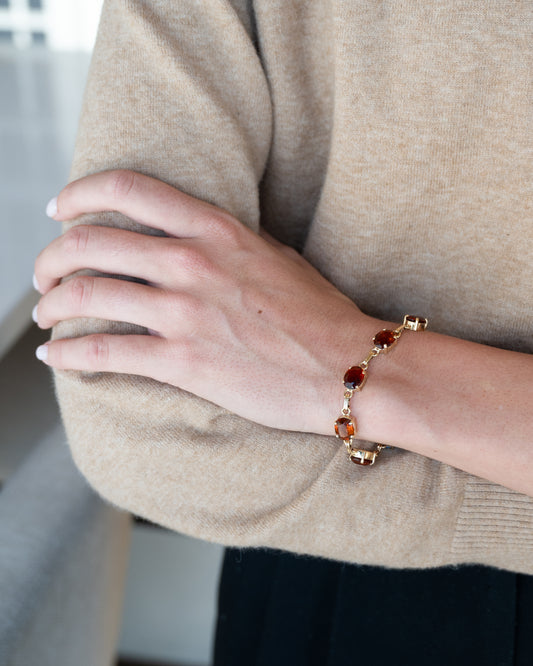
19.60 Mid-Century Madeira Citrine Bracelet 14K Yellow Gold
Regular price $3,200.00Regular priceUnit price per -
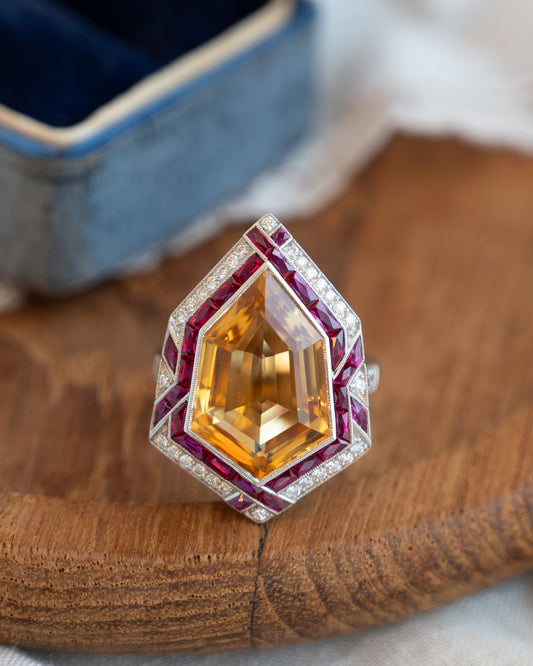
7.79 Citrine Ruby Diamond Cocktail Ring Platinum
Regular price $15,000.00Regular priceUnit price per -
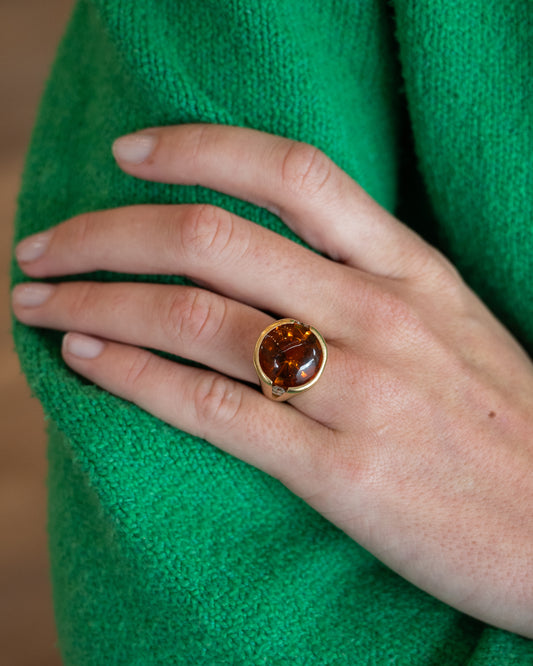
13.60 Cabochon Citrine Cocktail Ring 18k Yellow Gold
Regular price $6,200.00Regular priceUnit price per -
32.50 Citrine Statement Necklace 14k Yellow Gold
Regular price $3,950.00Regular priceUnit price per -
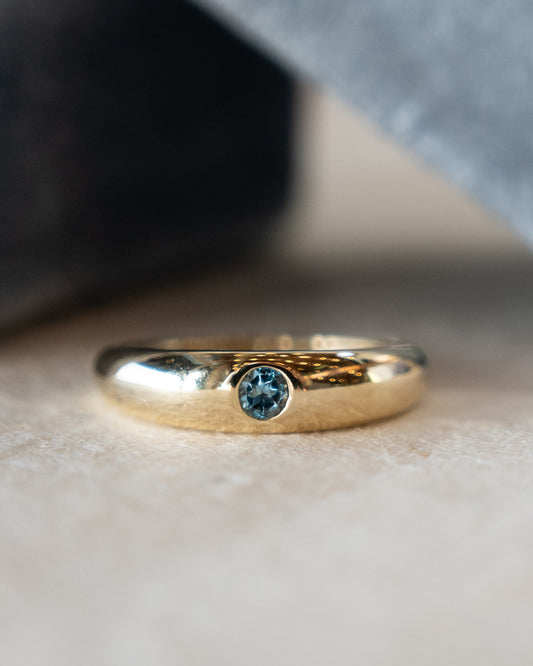
.14 Flush Set Blue Topaz Stacking Ring 14k Yellow Gold
Regular price $895.00Regular priceUnit price per -
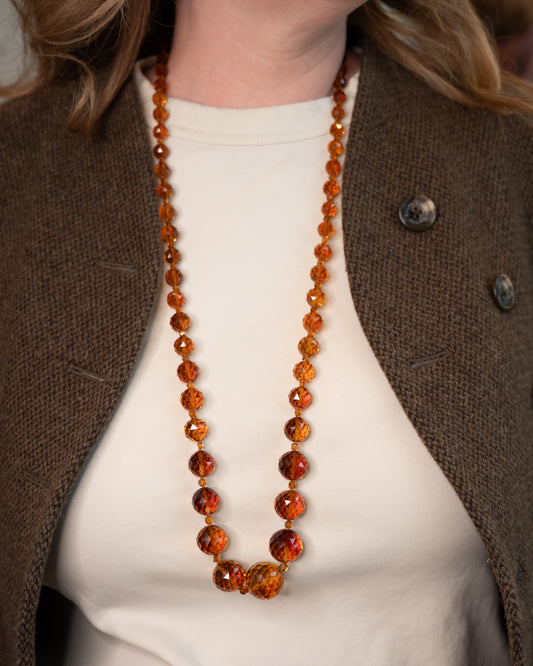
Vintage Mid-Century Citrine Bead Necklace in 14k
Regular price $7,900.00Regular priceUnit price per -
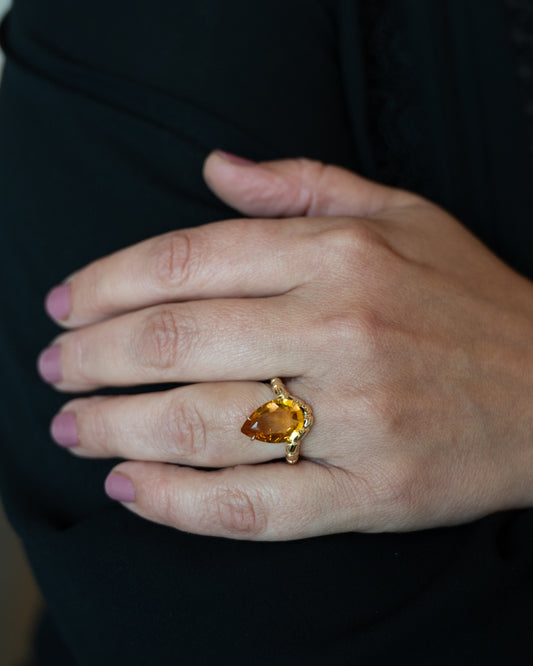
5 Carat Pear Cut Citrine Cocktail Ring in 18k
Regular price $3,450.00Regular priceUnit price per -
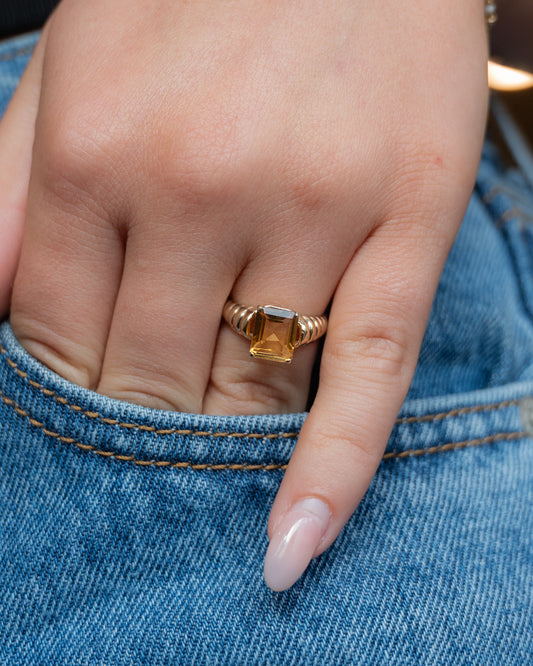
1.70 Citrine Cocktail Ring in 14k Yellow Gold
Regular price $1,475.00Regular priceUnit price per -
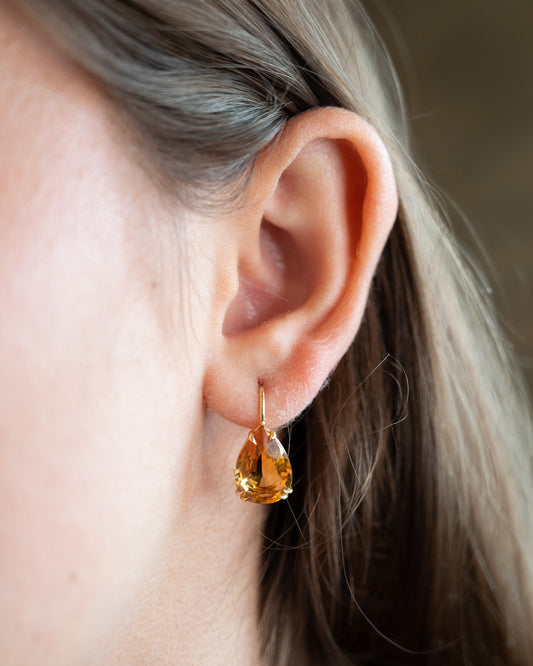
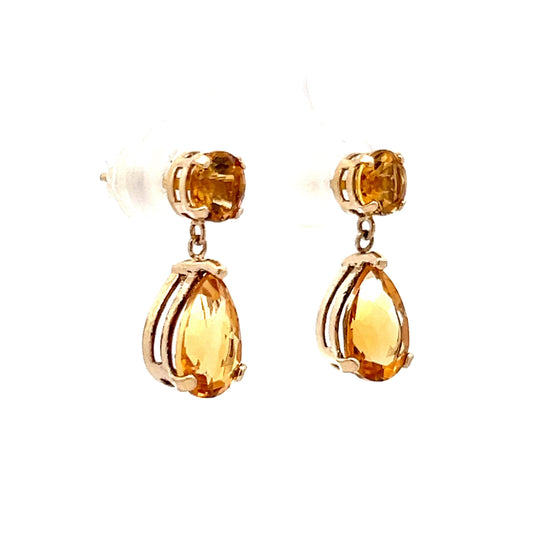
9.22 Pear Citrine Drop Earrings in 14k Yellow Gold
Regular price $1,800.00Regular priceUnit price per -
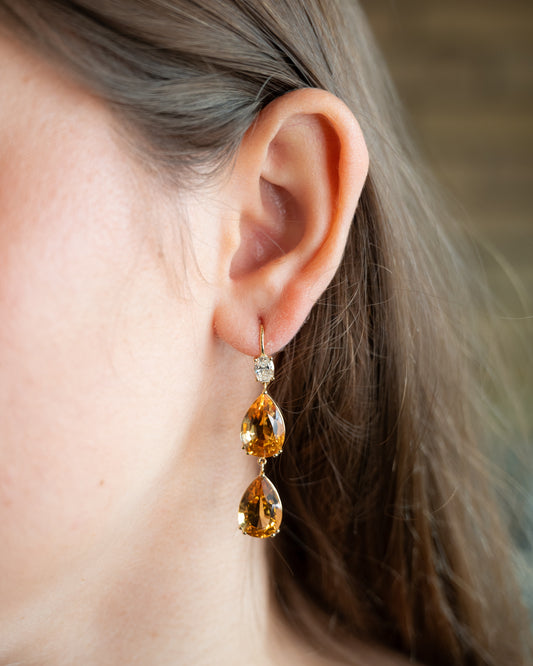
21.07 Pear Citrine & Diamond Drop Earrings in 14k
Regular price $5,900.00Regular priceUnit price per -
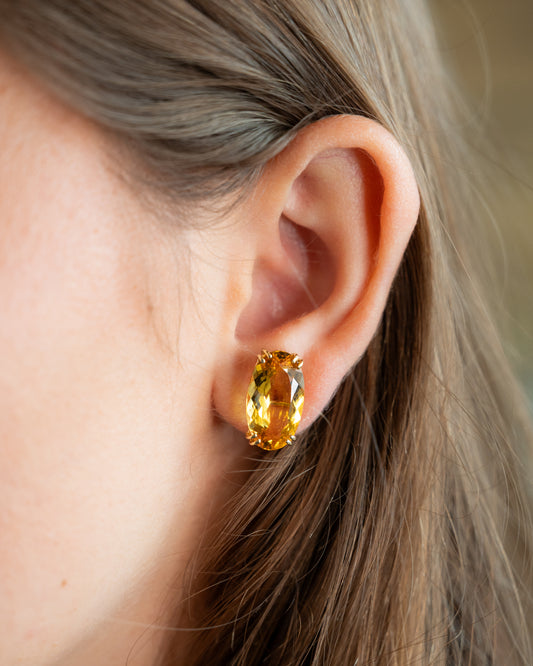
11.22 Oval Citrine Large Stud Earrings in 14k
Regular price $1,500.00Regular priceUnit price per -
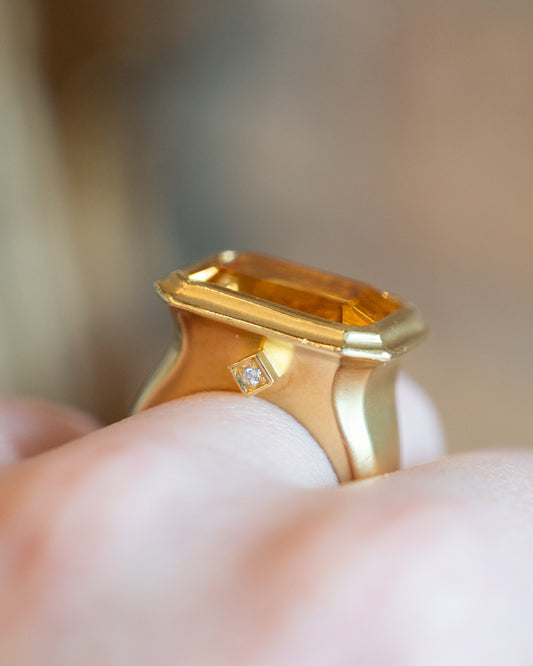
10.44 Citrine Statement Ring in 18k Yellow Gold
Regular price $5,600.00Regular priceUnit price per -
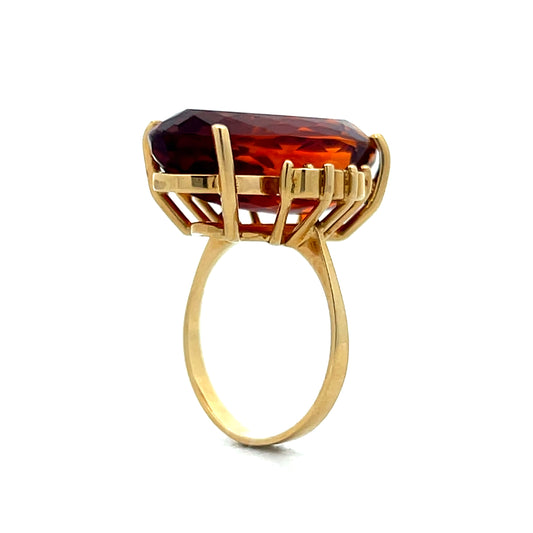
8.79 Vintage Oval Citrine & Diamond Cocktail Ring in 18k
Regular price $2,100.00Regular priceUnit price per -
4.00 Citrine Drop Earrings in 14k Yellow Gold
Regular price $900.00Regular priceUnit price per -
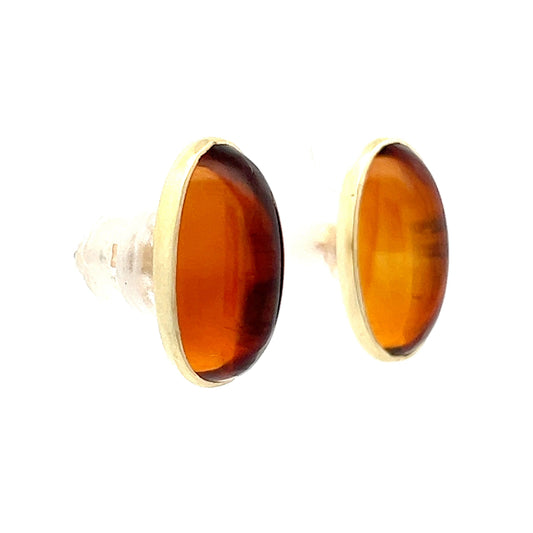
8.60 Cabochon Citrine Stud Earrings in 14k Yellow Gold
Regular price $750.00Regular priceUnit price per -
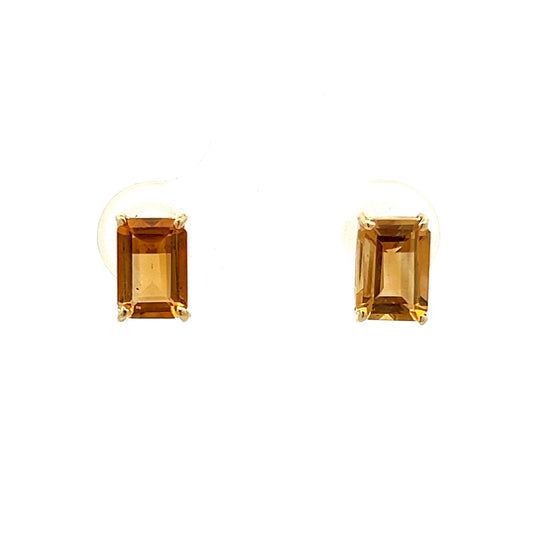
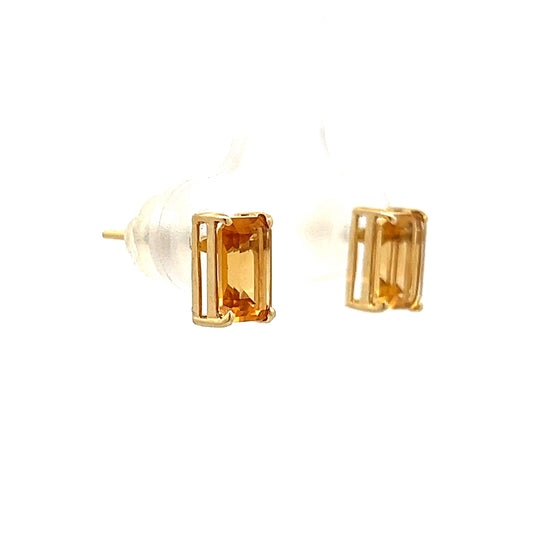
Emerald Cut Citrine Stud Earring in Yellow Gold
Regular price $475.00Regular priceUnit price per -
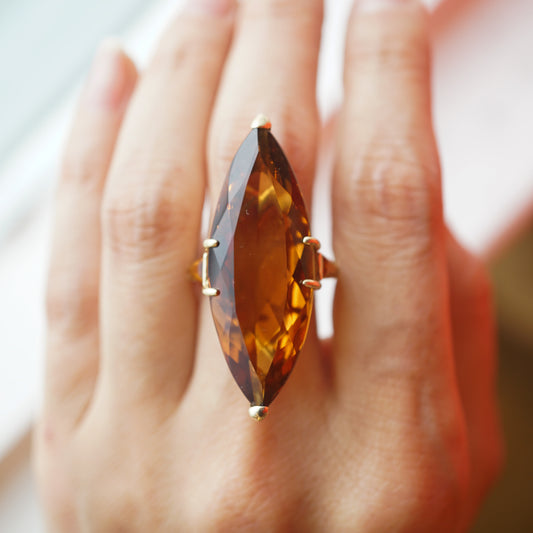
Marquise Cut Citrine Cocktail Ring in 14k Yellow Gold
Regular price $2,100.00Regular priceUnit price per
















FROM THE JOURNAL
Further reading

About
Citrine & Topaz Jewelry
Q: What are the birthstones for November?
November has two birthstones, citrine and topaz, and their stories are so tangled that for centuries the trade could not reliably tell you which was which. Nearly any golden stone was once sold as topaz, and old names like Madeira topaz and quartz topaz, both actually citrine, still float around the estate market. Untangled, they are two distinct gems that happen to share a palette: citrine is the golden variety of quartz, warm and generous in size, while topaz is its own mineral species, harder, denser, and capable of colors well beyond yellow. Together they give November birthdays the warmest pair on the calendar.
What is the difference between citrine and topaz?
Mineralogy, and everything that follows from it. Citrine is quartz, colored by iron, sitting at 7 on the Mohs scale, and it forms in sizes that make grand cocktail-scale stones attainable. Topaz is a separate species entirely, an aluminum silicate reaching 8 on the Mohs scale with a density a practiced hand can feel, and its aristocrat is imperial topaz, a peach-to-orange stone from Brazil that has never been common. Side by side, fine topaz tends toward a crisper brilliance while citrine glows warmer and softer. Neither is the better stone; they simply answer different briefs, and the confusion between them is a naming problem history left us, not a quality ranking.
Q: Why is citrine so associated with cocktail jewelry?
The Retro era made citrine a star. In the 1940s, when wartime platinum restrictions pushed jewelers toward bold yellow and rose gold, citrine's warm color and its availability in large, clean crystals fit the moment perfectly. Designers cut it huge, set it asymmetrically, flanked it with small rubies and diamonds, and produced the confident, sculptural cocktail jewelry that defines the decade. Those pieces remain some of the most wearable vintage jewelry there is, and their spirit carries into modern citrine design, which still favors generous stones and warm metal. If you want maximum presence per stone, citrine remains one of the great honest bargains in colored gems.
Q: What should I look for in citrine and topaz?
In citrine, saturation: fine stones run from bright lemon through honey to the brandy-colored depth the trade once called Madeira, with even color and no brownish murk. Much commercial citrine begins life as amethyst and is heated to gold, a stable, standard practice worth knowing about; naturally golden citrine is scarcer. In topaz, imperial peach-orange tones lead the species, and pinks are rarer still. Blue topaz, abundant in modern jewelry, gets its color from treatment, again standard and stable. In both stones favor clarity, since each is expected to be clean to the eye, and cuts that keep large faces lively rather than glassy.