
-
.55 GIA Paraiba Tourmaline & Diamond Snake Ring Platinum
Regular price $26,500.00Regular priceUnit price per -
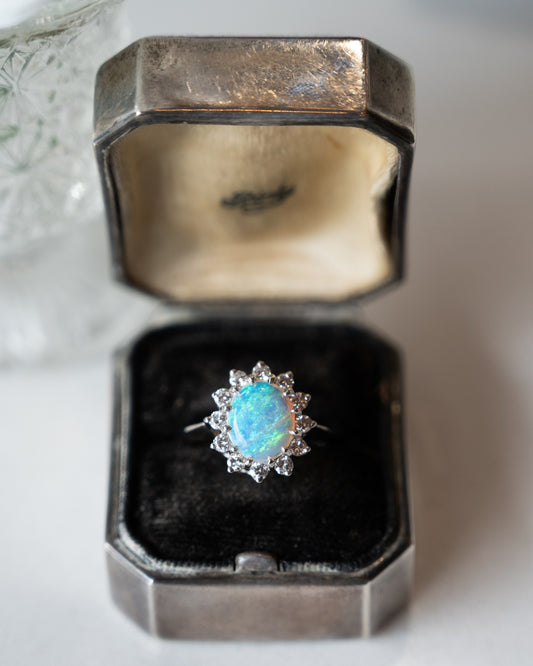
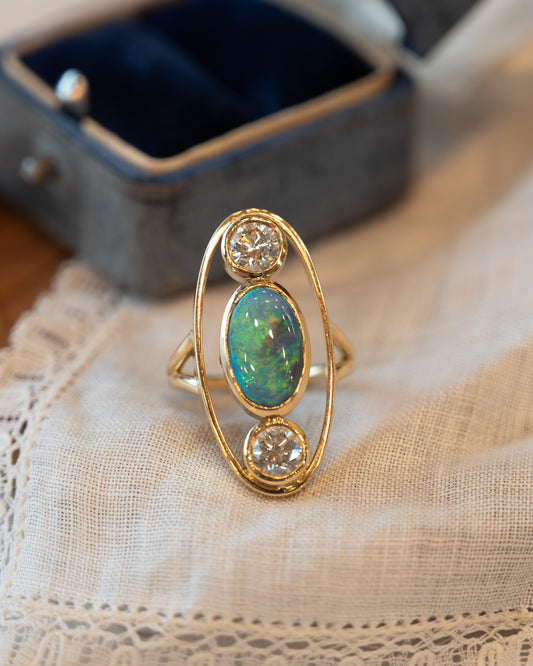
.97 Cabochon Opal Cocktail Ring 14K White Gold
Regular price $2,400.00Regular priceUnit price per -
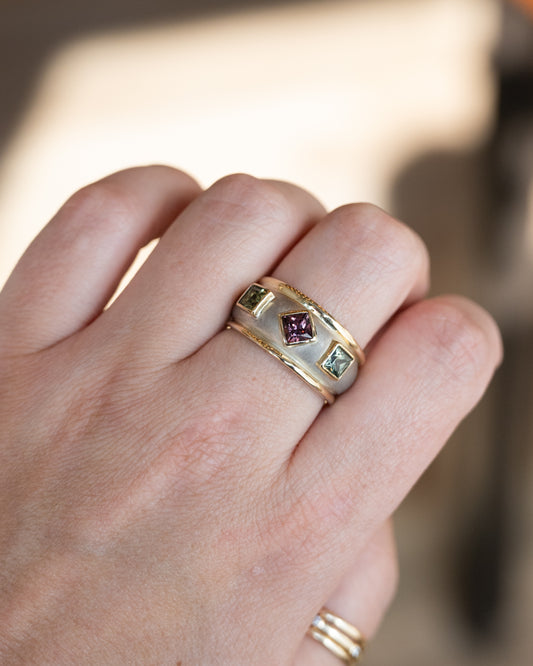
.63 Men's Pink Tourmaline & Peridot Ring 14k
Regular price $3,100.00Regular priceUnit price per -
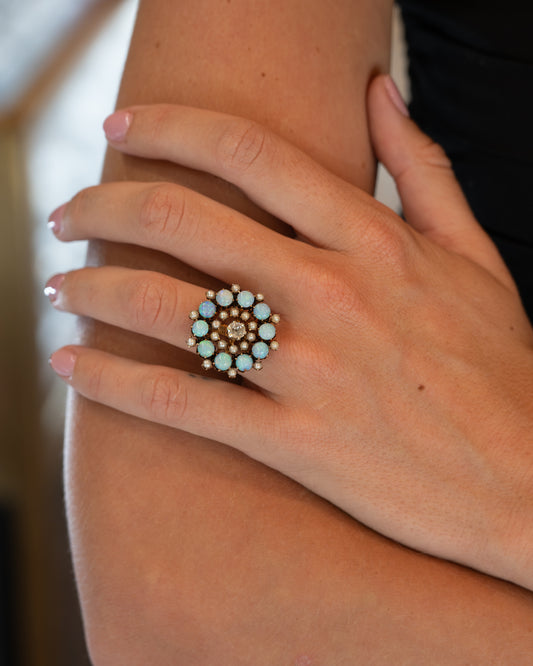
.40 Victorian Diamond Opal Pearl Cocktail Ring 14k
Regular price $2,150.00Regular priceUnit price per -
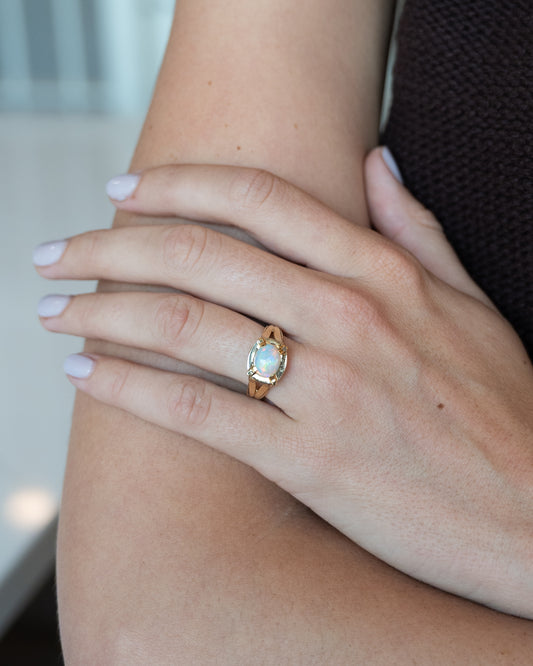
1.25 Opal Cocktail Ring 14k Yellow Gold
Regular price $2,650.00Regular priceUnit price per -
2.55 Opal & Diamond Cocktail Ring 18k
Regular price $8,150.00Regular priceUnit price per -
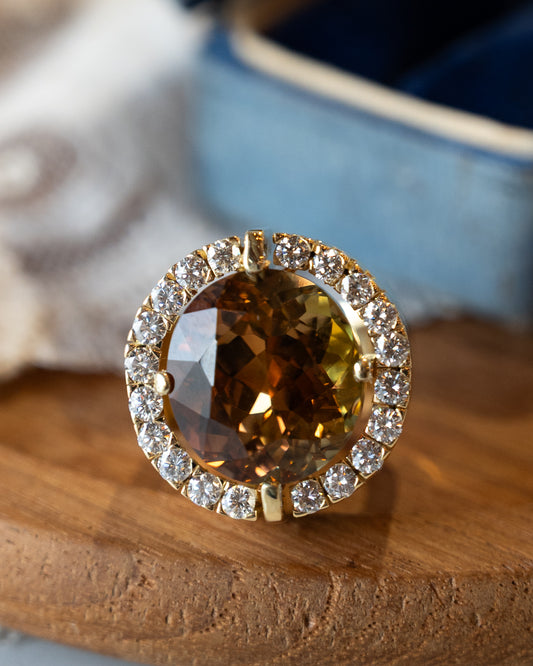
16.21 Bicolor Tourmaline Cocktail Ring 18k Yellow Gold
Regular price $9,750.00Regular priceUnit price per -
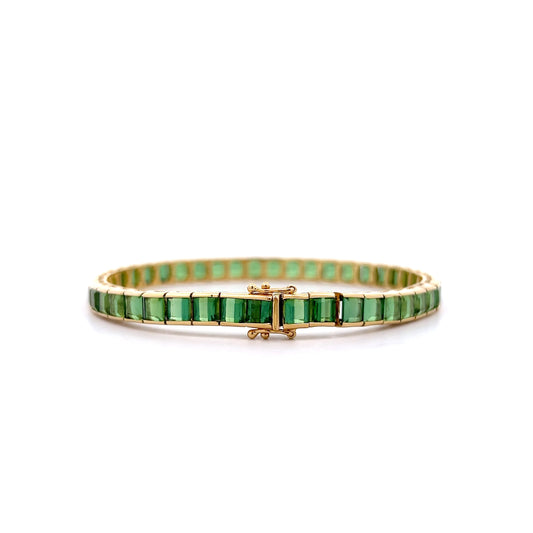
15.00 Green Tourmaline Line Bracelet 18k Yellow Gold
Regular price $6,950.00Regular priceUnit price per -
4.24 Paraiba Tourmaline & Diamond Ring Platinum
Regular price $52,000.00Regular priceUnit price per -
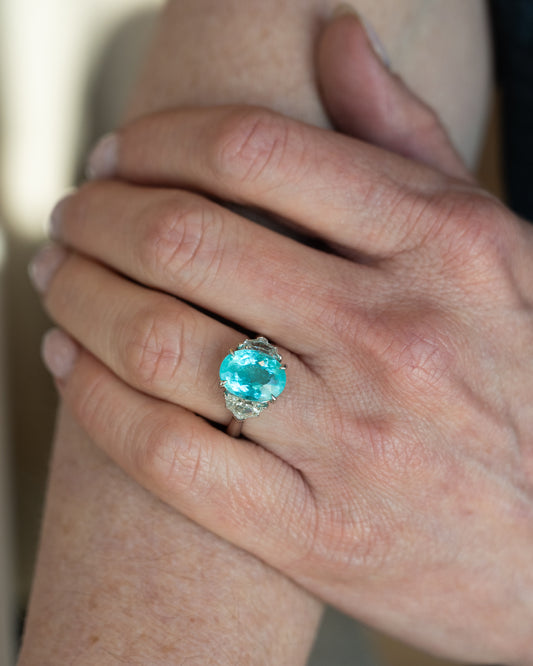
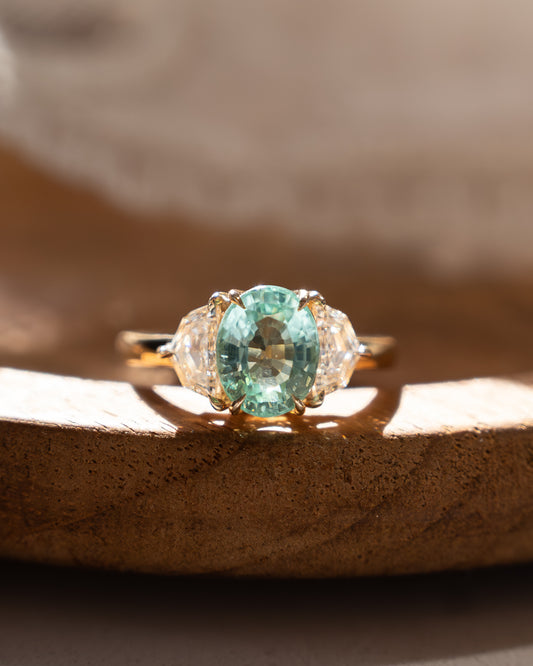
2.02 Paraiba Tourmaline Three Stone Engagement Ring 14k
Regular price $12,000.00Regular priceUnit price per -
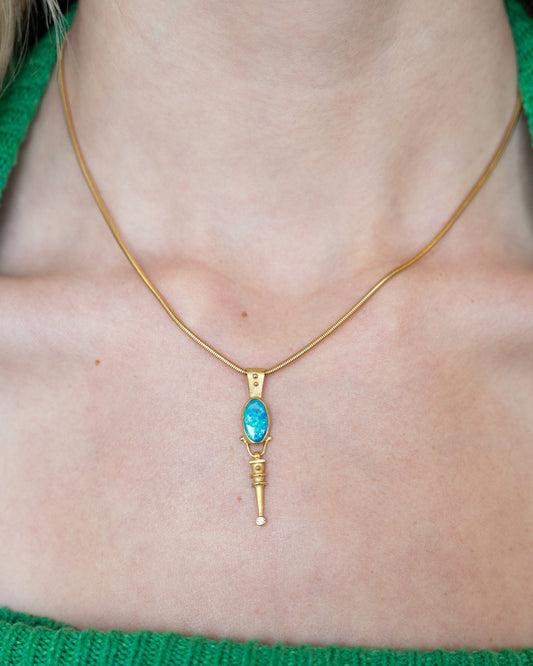
Cabochon Opal & Diamond Pendant Necklace 14k & 18k Gold
Regular price $2,950.00Regular priceUnit price per -
1.00 Green Tourmaline Stud Earrings 14k Yellow Gold
Regular price $1,100.00Regular priceUnit price per -
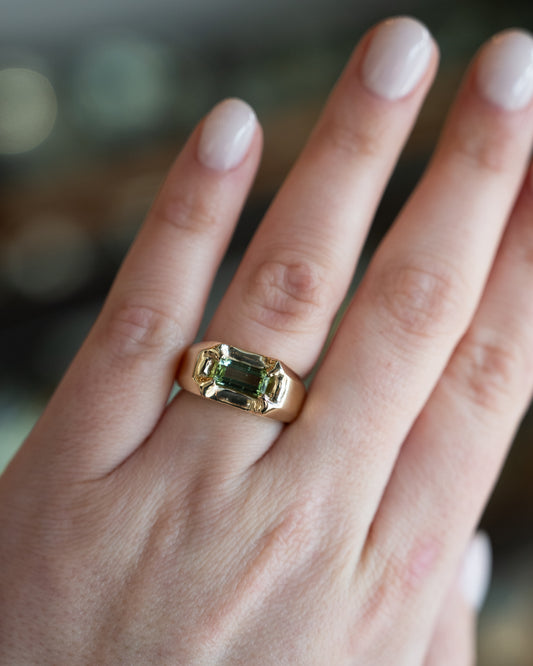
1.66 Green Tourmaline Baguette Cocktail Ring 14k
Regular price $3,475.00Regular priceUnit price per -
2.03 Oval Pink Tourmaline Cocktail Ring 14k
Regular price $1,975.00Regular priceUnit price per -
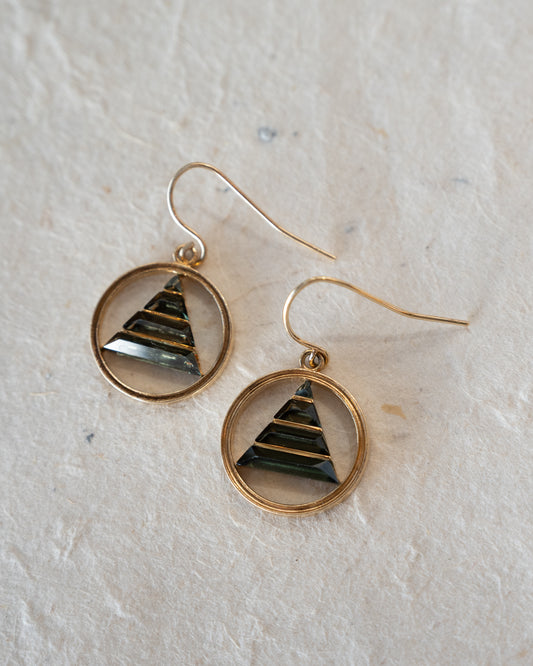
11.12 Green Tourmaline Dangle Earrings 14k Yellow Gold
Regular price $1,975.00Regular priceUnit price per -
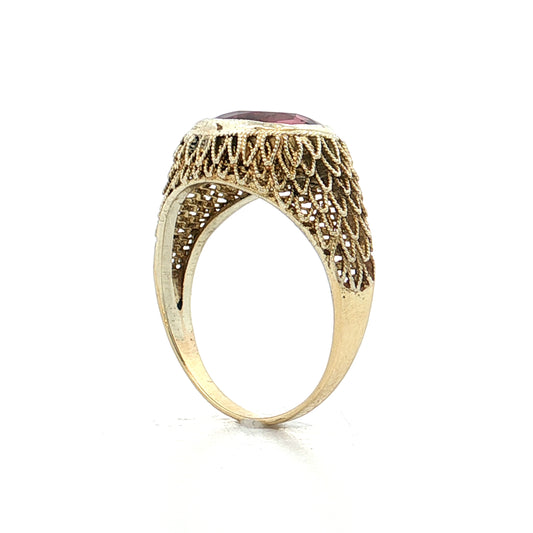
1 Carat Art Deco Tourmaline Engagement Ring 14k
Regular price $2,450.00Regular priceUnit price per -
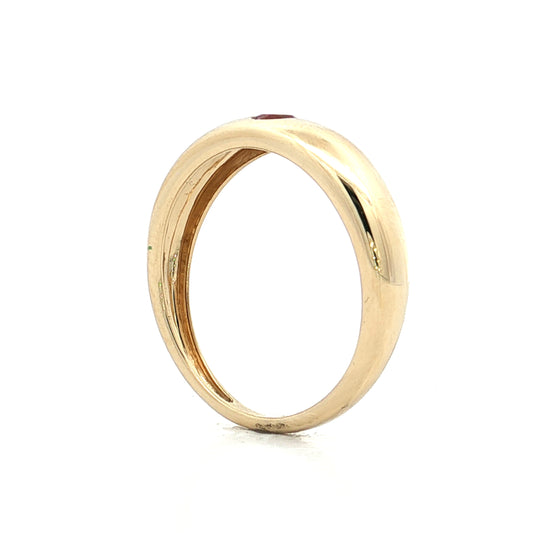
.12 Flush Set Pink Tourmaline Stacking Ring 14k
Regular price $895.00Regular priceUnit price per -
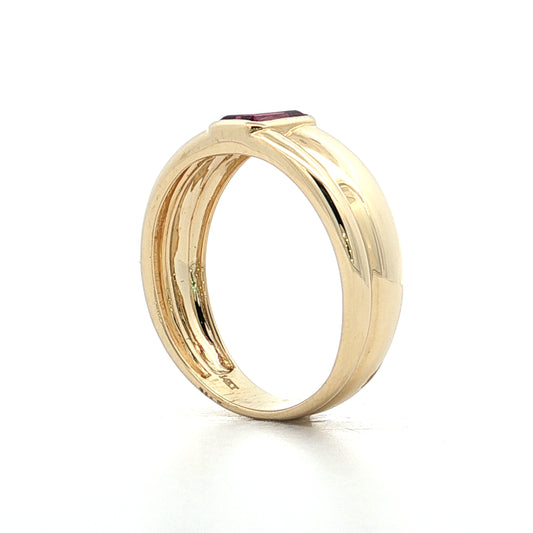
.55 Emerald Cut Pink Tourmaline Stacking Ring 14k
Regular price $1,400.00Regular priceUnit price per -
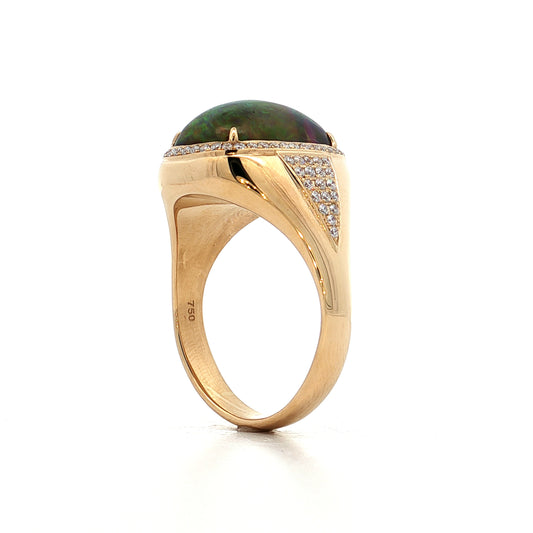
7.18 Mens Cabochon Ethiopian Jelly Opal Ring 18k
Regular price $5,850.00Regular priceUnit price per -
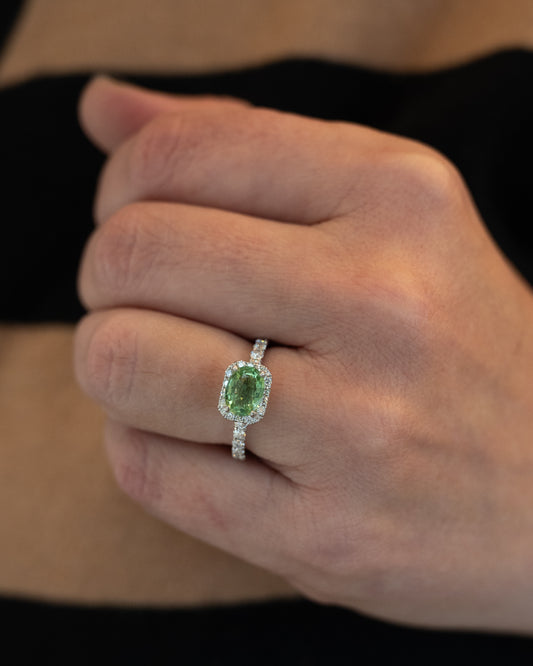
1.21 Oval Tourmaline Engagement Ring 18k White Gold
Regular price $3,200.00Regular priceUnit price per -
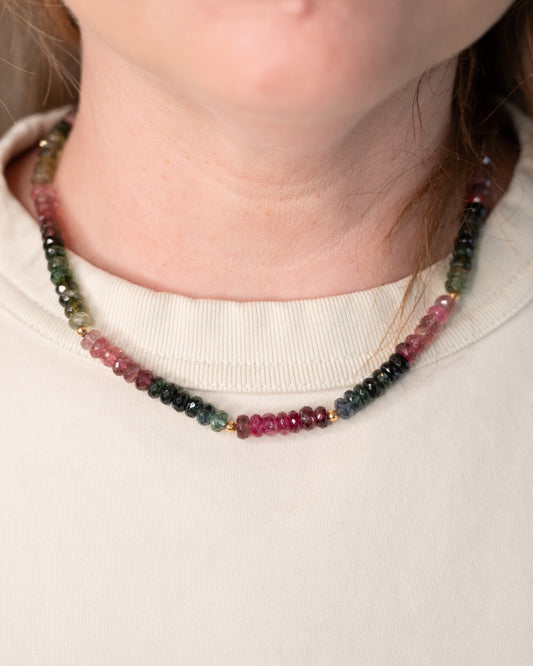
Multi-Colored Tourmaline Necklace 18k Yellow Gold
Regular price $900.00Regular priceUnit price per -
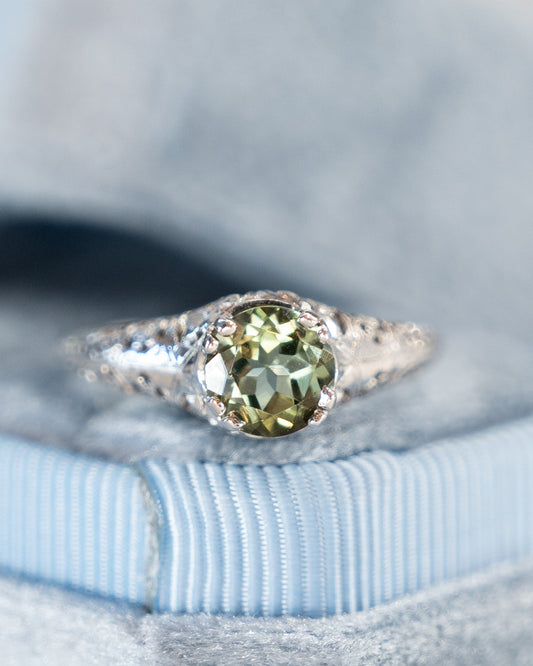
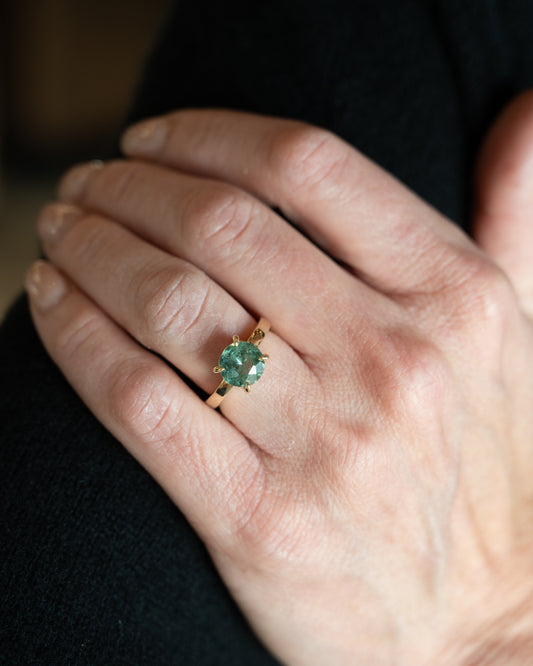
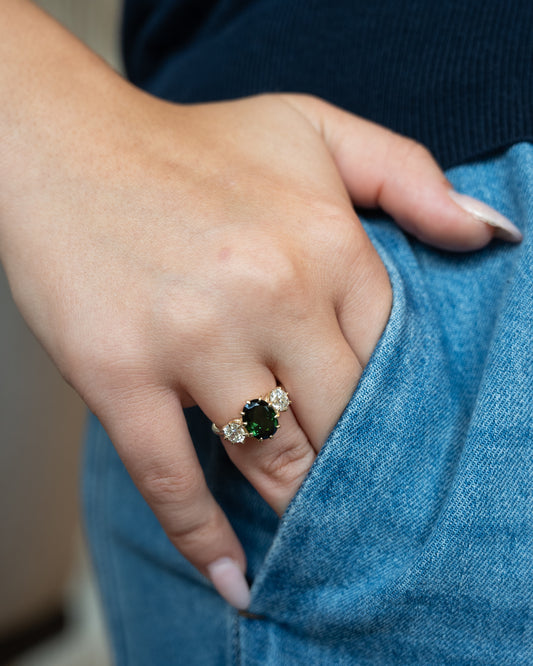
2.35 Green Tourmaline Engagement Ring in 14k Yellow Gold
Regular price $2,500.00Regular priceUnit price per -
2.40 Tourmaline Three Stone Engagement Ring 14k
Regular price $6,200.00Regular priceUnit price per -
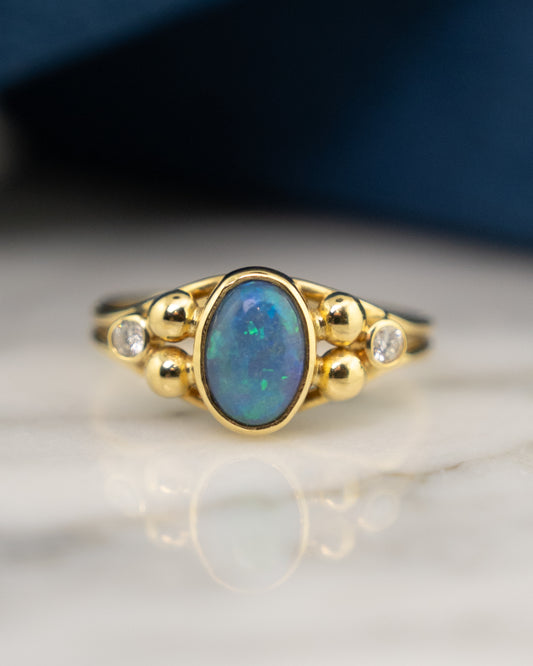
.80 Bezel Opal Cocktail Ring in 18k Yellow Gold
Regular price $1,900.00Regular priceUnit price per
























About
Opal & Tourmaline Jewelry
Q: What are the birthstones for October?
October carries two birthstones: opal, the traditional stone, and tourmaline, its modern companion on the official lists. They could hardly be less alike, which makes October one of the calendar's best months to shop. Opal is a spectacle, throwing shifting spectral color that no other gem produces and no two opals repeat. Tourmaline is a family, spanning a wider range of colors than any other gemstone species and giving October birthdays an escape hatch into nearly any shade they love. Between the two, the month covers both temperaments: the stone you watch, and the stone you choose to match yourself
Q: What causes opal's play-of-color?
Opal is hardened silica gel, and inside a precious opal millions of microscopic silica spheres settled into orderly rows as it formed. Those rows diffract light, breaking it into pure spectral color that shifts as the stone, the light, or the viewer moves. The size of the spheres sets the colors: smaller spheres make blues and greens, larger ones unlock the rarer oranges and reds. Body tone sets the categories, from white opal through crystal to the dark-bodied black opal, where the play-of-color burns against a deep background; the black opals of Lightning Ridge in Australia stand at the top of the scale. A fine opal is best judged the old way, moved slowly under light, in person.
Q: Why is tourmaline called the rainbow gem?
Because the species refuses to settle on a color. Tourmaline's complex, flexible chemistry produces saturated pinks and reds, called rubellite at their richest, blues from steel to the deep indicolite, chrome greens that rival far more famous stones, yellows, browns, and stones with two or more colors in one crystal. Watermelon tourmaline, pink at the center and green at the rim, is cut in slices to show the effect whole. Many tourmalines are also strongly pleochroic, shifting shade as they turn. For jewelry this breadth is a gift: whatever color someone actually wears, there is a tourmaline in it, usually in a generous size.
Q: Are opal and tourmaline durable enough for regular wear?
They part ways here. Tourmaline, at 7 to 7.5 on the Mohs scale, wears comfortably in rings, earrings, bracelets, and pendants with ordinary common sense. Opal is softer, 5.5 to 6.5, and contains water within its structure, so it asks for genuine consideration: pendants, earrings, and brooches suit it for constant wear, while opal rings are best as occasion pieces or set protectively in bezels and worn with awareness. Opal also dislikes environmental extremes, prolonged heat, very dry conditions, and sudden temperature swings, which can craze the surface over time. Respect that, and opals survive generations; plenty of Victorian opal jewelry proves it.
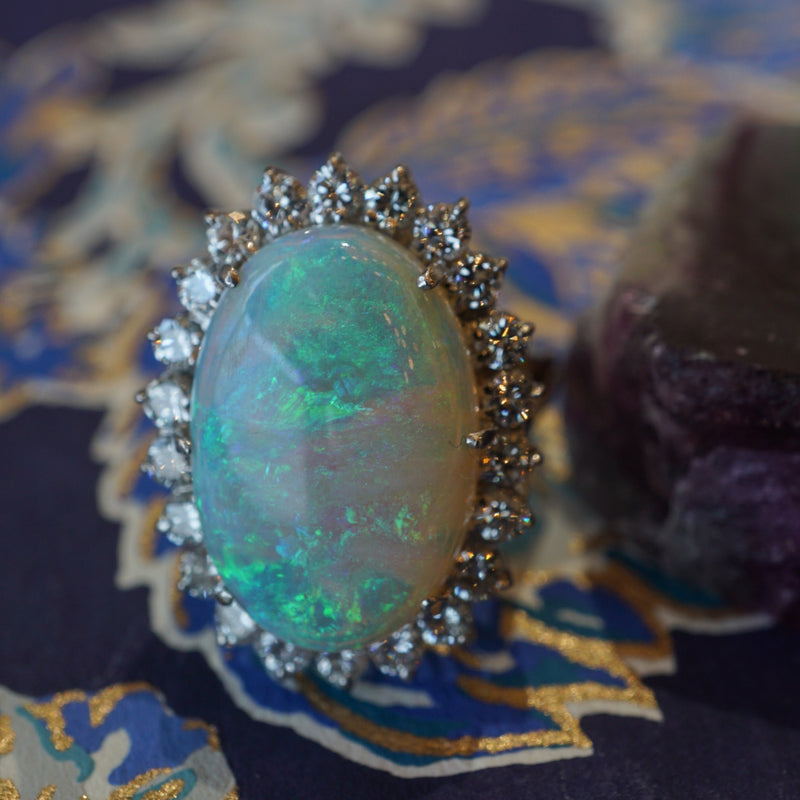
October Birthstone Opal: Origins, Types & Seven Eras
Where the color comes from, black to crystal to boulder, the 1829 novel behind the bad-luck myth, and how to care for a soft stone
Read the Guide