
-
1.56 Tourmaline & Diamond Cocktail Ring in 14k Yellow Gold
Regular price $3,150.00Regular priceUnit price per -
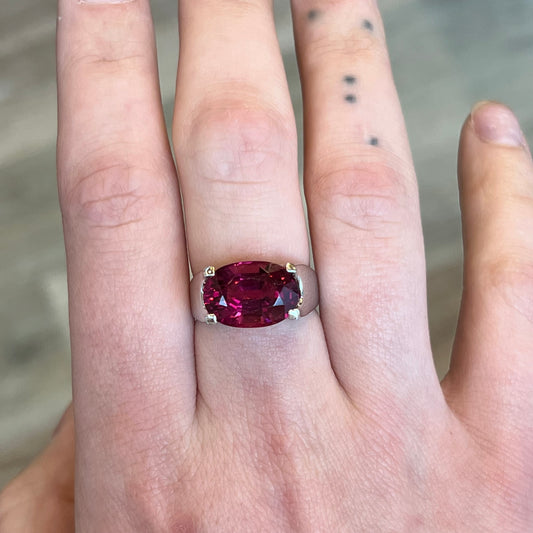
7 Carat Oval Cut Rubellite Tourmaline Cocktail Ring in 18k White Gold
Regular price $4,350.00Regular priceUnit price per -
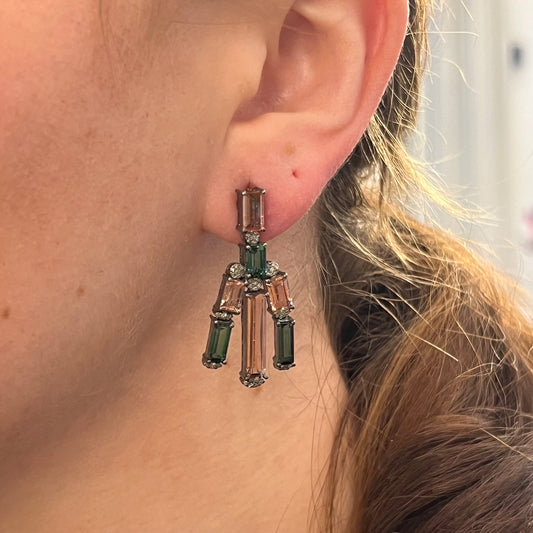
Pink & Green Tourmaline Drop Earrings in Sterling Silver
Regular price $1,500.00Regular priceUnit price per -
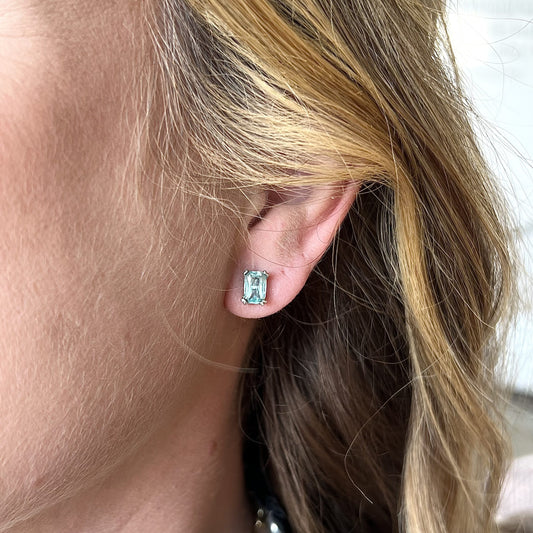
Paraiba Tourmaline Stud Earrings in Platinum
Regular price $2,950.00Regular priceUnit price per -
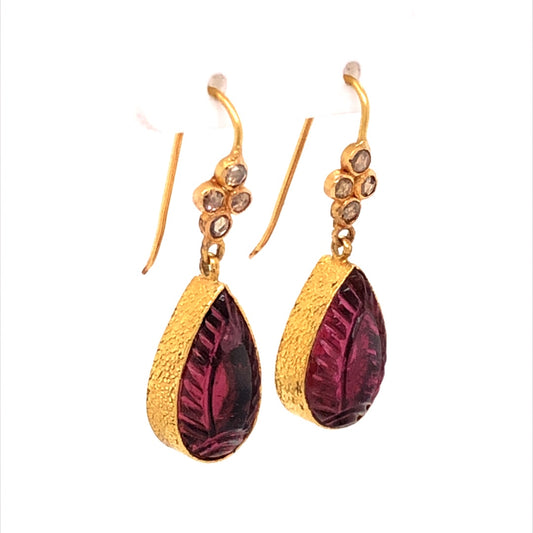
Carved Rubellite Drop Earrings in 18k Yellow Gold
Regular price $1,850.00Regular priceUnit price per -
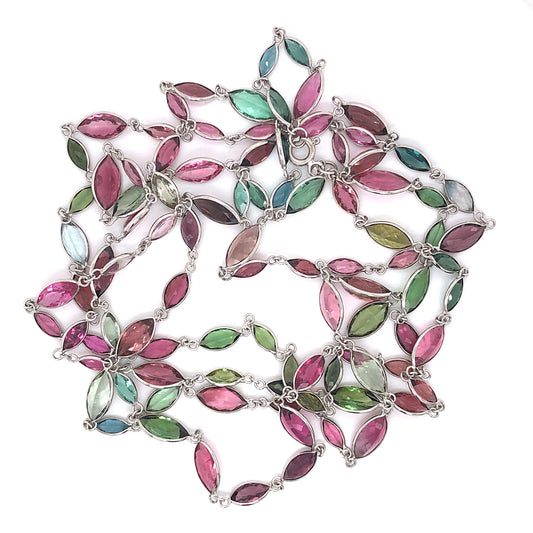
Multi-Color Tourmaline Necklace in 18k White Gold
Regular price $6,500.00Regular priceUnit price per -
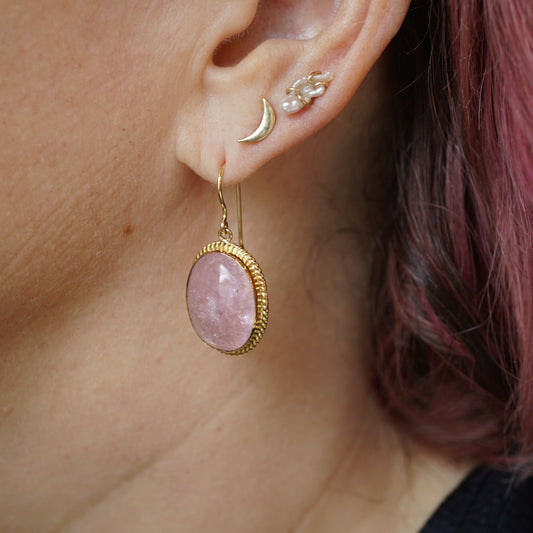
Pink Tourmaline Drop Earrings in 18k Yellow Gold
Regular price $1,900.00Regular priceUnit price per -
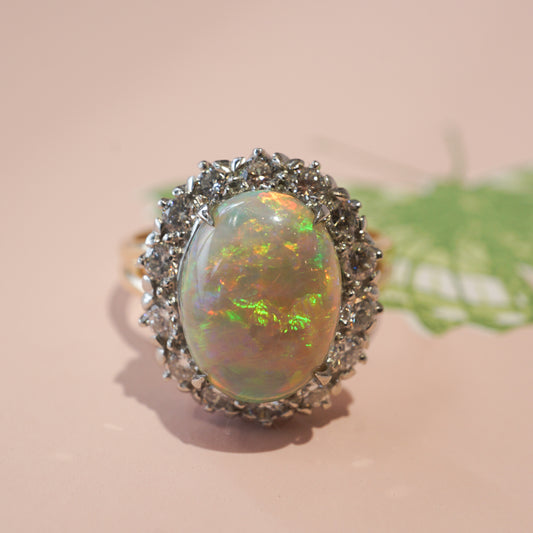
Mid-Century Opal & Diamond Cocktail Ring in 14K Gold
Regular price $3,900.00Regular priceUnit price per -
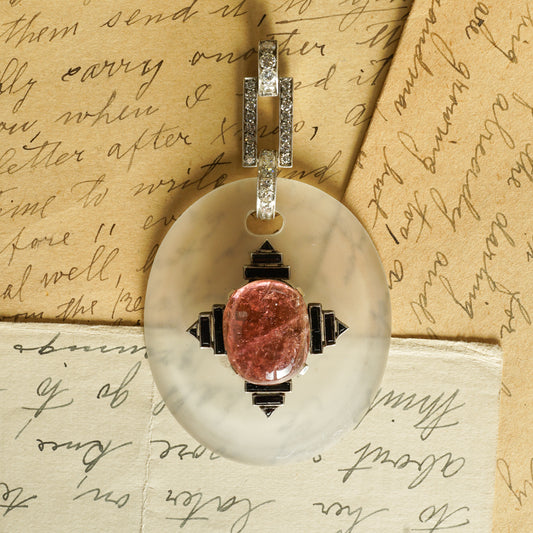
Pink Tourmaline Pendant w/ Diamonds in Sterling Silver
Regular price $4,150.00Regular priceUnit price per -
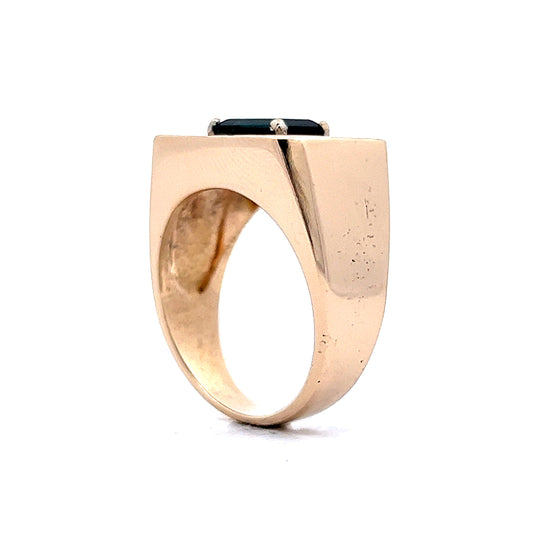
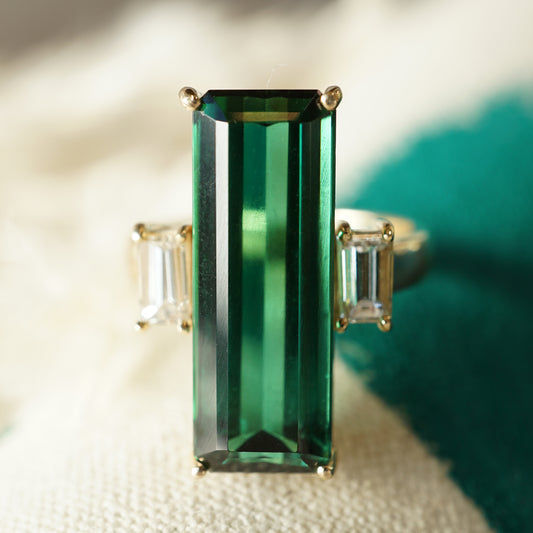
7.78 Emerald Cut Tourmaline & Diamond Ring in 14k Yellow Gold
Regular price $7,250.00Regular priceUnit price per










FROM THE JOURNAL
Further reading


About
Opal & Tourmaline Jewelry
Q: What are the birthstones for October?
October carries two birthstones: opal, the traditional stone, and tourmaline, its modern companion on the official lists. They could hardly be less alike, which makes October one of the calendar's best months to shop. Opal is a spectacle, throwing shifting spectral color that no other gem produces and no two opals repeat. Tourmaline is a family, spanning a wider range of colors than any other gemstone species and giving October birthdays an escape hatch into nearly any shade they love. Between the two, the month covers both temperaments: the stone you watch, and the stone you choose to match yourself
Q: What causes opal's play-of-color?
Opal is hardened silica gel, and inside a precious opal millions of microscopic silica spheres settled into orderly rows as it formed. Those rows diffract light, breaking it into pure spectral color that shifts as the stone, the light, or the viewer moves. The size of the spheres sets the colors: smaller spheres make blues and greens, larger ones unlock the rarer oranges and reds. Body tone sets the categories, from white opal through crystal to the dark-bodied black opal, where the play-of-color burns against a deep background; the black opals of Lightning Ridge in Australia stand at the top of the scale. A fine opal is best judged the old way, moved slowly under light, in person.
Q: Why is tourmaline called the rainbow gem?
Because the species refuses to settle on a color. Tourmaline's complex, flexible chemistry produces saturated pinks and reds, called rubellite at their richest, blues from steel to the deep indicolite, chrome greens that rival far more famous stones, yellows, browns, and stones with two or more colors in one crystal. Watermelon tourmaline, pink at the center and green at the rim, is cut in slices to show the effect whole. Many tourmalines are also strongly pleochroic, shifting shade as they turn. For jewelry this breadth is a gift: whatever color someone actually wears, there is a tourmaline in it, usually in a generous size.
Q: Are opal and tourmaline durable enough for regular wear?
They part ways here. Tourmaline, at 7 to 7.5 on the Mohs scale, wears comfortably in rings, earrings, bracelets, and pendants with ordinary common sense. Opal is softer, 5.5 to 6.5, and contains water within its structure, so it asks for genuine consideration: pendants, earrings, and brooches suit it for constant wear, while opal rings are best as occasion pieces or set protectively in bezels and worn with awareness. Opal also dislikes environmental extremes, prolonged heat, very dry conditions, and sudden temperature swings, which can craze the surface over time. Respect that, and opals survive generations; plenty of Victorian opal jewelry proves it.