
-
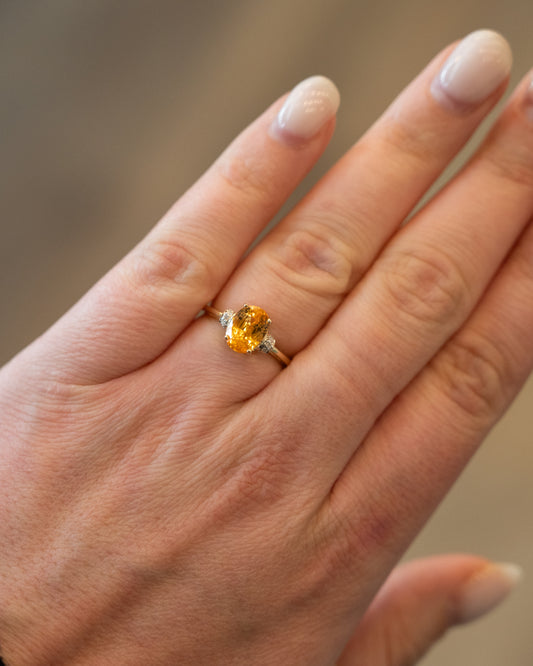
3.18 Oval Orange Sapphire Engagement Ring Two-Tone 14k
Regular price $6,750.00Regular priceUnit price per -
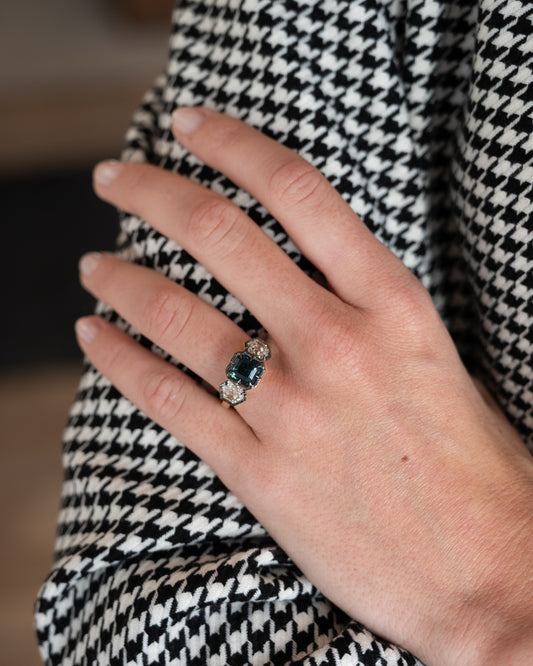
2.52 Sapphire & Diamond Three Stone Engagement Ring 14k
Regular price $12,500.00Regular priceUnit price per -
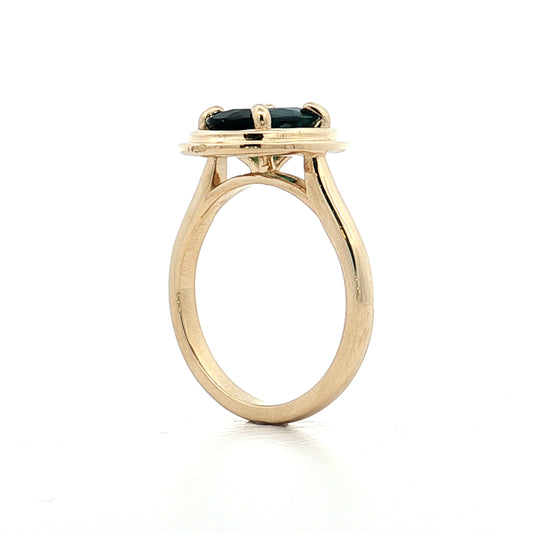
2.04 No Heat Cushion Sapphire Engagement Ring 14k
Regular price $8,250.00Regular priceUnit price per -
7.57 Emerald Cut Sapphire Drop Earrings 14k Yellow Gold
Regular price $5,950.00Regular priceUnit price per -
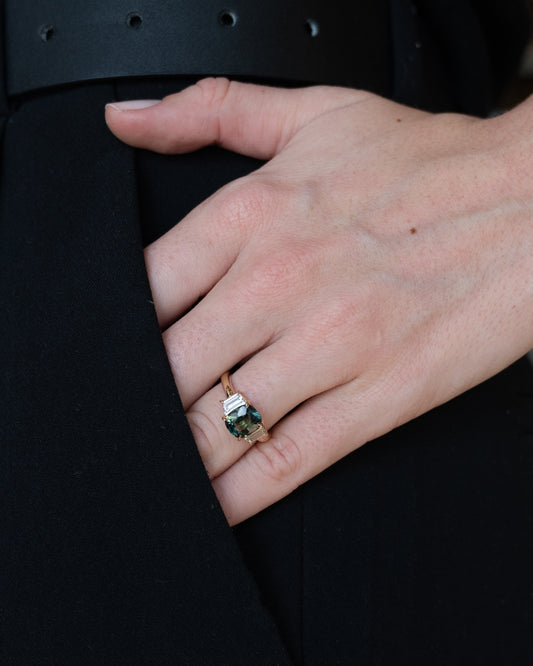
3 Carat Teal Sapphire Engagement Ring 14k Yellow Gold
Regular price $14,500.00Regular priceUnit price per -
1.37 Oval Green Sapphire Engagement Ring 14k Yellow Gold
Regular price $4,500.00Regular priceUnit price per -
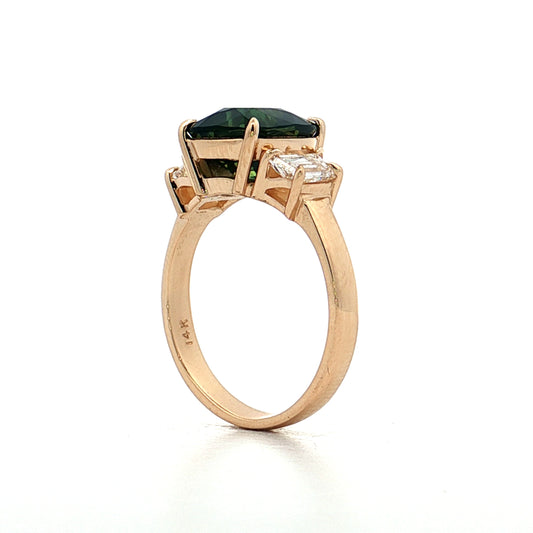
4.26 Cushion Cut Green Sapphire Engagement Ring 14k
Regular price $14,750.00Regular priceUnit price per -
1.00 Vintage Oval Sapphire Engagement Ring 9k
Regular price $2,575.00Regular priceUnit price per -
1.35 Oval Sapphire & Diamond Engagement Ring 14k
Regular price $5,600.00Regular priceUnit price per -
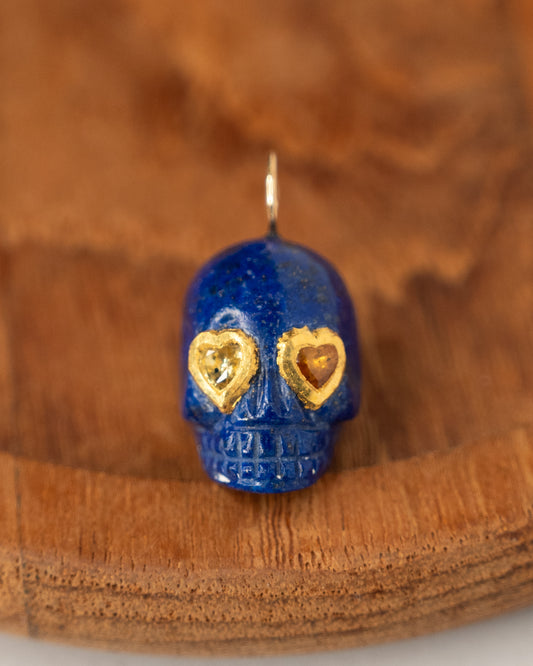
1 Carat Sapphire & Lapis Lazuli Skull Charm Pendant 18k
Regular price $995.00Regular priceUnit price per -
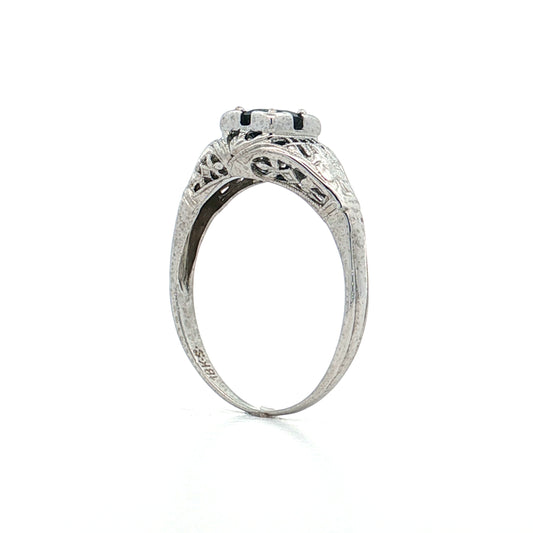
.72 Antique Art Deco Teal Sapphire Engagement Ring 18k
Regular price $2,450.00Regular priceUnit price per -
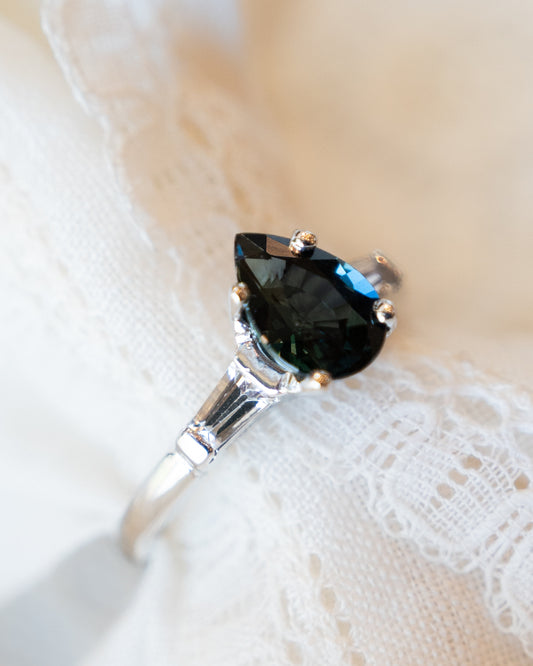
1.80 Pear Cut Teal Sapphire Engagement Ring 14k
Regular price $5,100.00Regular priceUnit price per -
2.79 Flush Solitaire Sapphire Engagement Ring in 14k
Regular price $7,950.00Regular priceUnit price per -
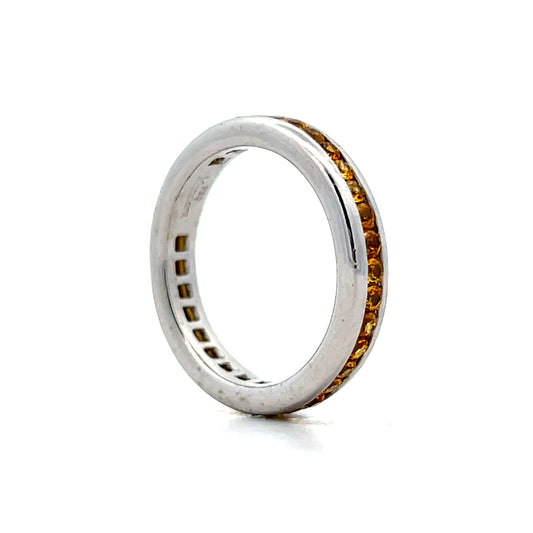
1.05 Orange Sapphire Eternity Band in 18k White Gold
Regular price $1,400.00Regular priceUnit price per -
4.43 Rainbow Sapphire Bracelet in 14k Rose Gold
Regular price $3,450.00Regular priceUnit price per -
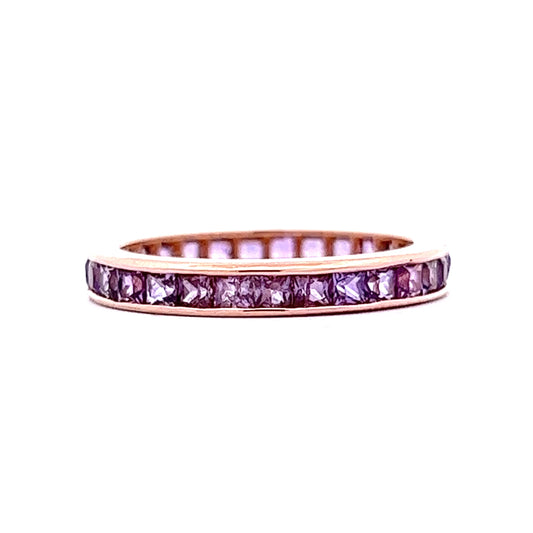
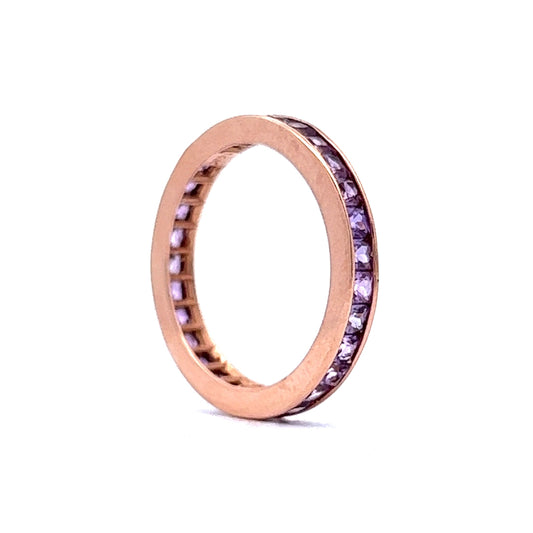
2.25 Purple Sapphire Eternity Wedding Band in 14k Rose Gold
Regular price $1,650.00Regular priceUnit price per














About
Sapphire Jewelry
Q: What is the birthstone for September?
Sapphire is September's birthstone, and it is corundum, the same mineral as ruby; by convention, red corundum is called ruby and every other color is sapphire. The stone has spent centuries attached to ideas of wisdom, loyalty, and rank. Medieval clergy wore it as the stone of heaven, monarchs set it in regalia, and it remains the great constant of fine jewelry, appearing in every era without ever feeling borrowed from one. A September birthday comes with the calendar's most complete birthstone: serious enough for an heirloom, hard enough for daily wear, and available in more colors than any month's rival
Q: What colors do sapphires come in?
Every color but red. Blue is the classic, running from pale powder tones to the deep velvet that defines the stone, but the fancy sapphires deserve their reputation: pinks from blush to near-magenta, sunny yellows, greens, violets, and the rare orange-pink the trade calls padparadscha, named for the lotus blossom. Star sapphires carry fine needle inclusions that gather light into a six-rayed star floating across a domed cabochon. Color-change sapphires shift between blue and violet under different lighting. The breadth matters when choosing: a September stone does not have to be blue, and some of the most individual pieces in any collection are built on the colors people forget sapphire owns.
Q: What should I look for in a sapphire?
In blues, look for a rich, evenly distributed color with life in it, neither so pale it reads gray nor so dark it goes inky indoors. The historic benchmarks are origin stories: Kashmir's velvety cornflower blues, Burma's royal blues, Ceylon's bright, lively stones, and origin still carries weight for significant sapphires, documented by laboratory report. Clarity should be good, though fine silk inclusions can actually improve a stone, softening the color the way it did in the legendary Kashmir material. Heat treatment to improve color and clarity is standard, stable, and centuries old; it should be assumed and disclosed, and unheated stones with fine color command a premium and a certificate.
Q: How can I tell if a sapphire is genuine?
Synthetic sapphires have been manufactured since the early 1900s, which means even genuinely antique jewelry can carry a lab-made stone set a century ago. Separation is inclusion work: natural sapphires show angular growth zoning, silk, and mineral crystals laid down by geology, while the early flame-fusion synthetics reveal curved growth bands and gas bubbles under magnification. Modern synthetics require a practiced eye or a laboratory, which is why significant stones travel with reports from GIA and its peers confirming natural origin and treatment status. Every sapphire we offer has been evaluated at intake, and for antique pieces we are happy to explain what the stone's interior says about when and where it grew.
September Birthstone Style Guide: Sapphires Through the Decades
Velvet blues and the fancy colors, what origin and heat treatment mean, and sapphire's run through every era of design
Read the Guide