
-
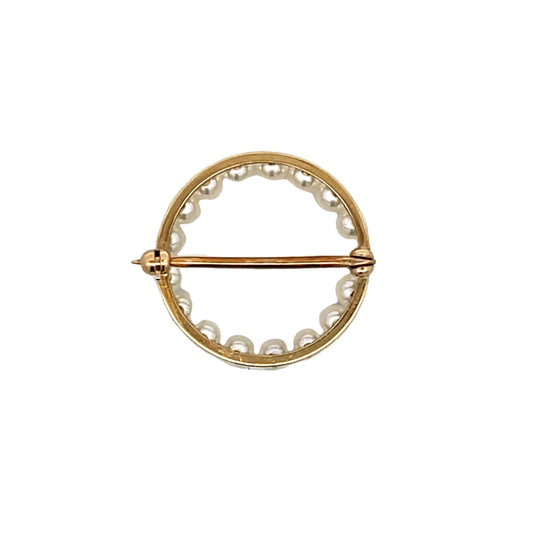
Circular Pearl Brooch in 14k Yellow Gold
Regular price $450.00Regular priceUnit price per -
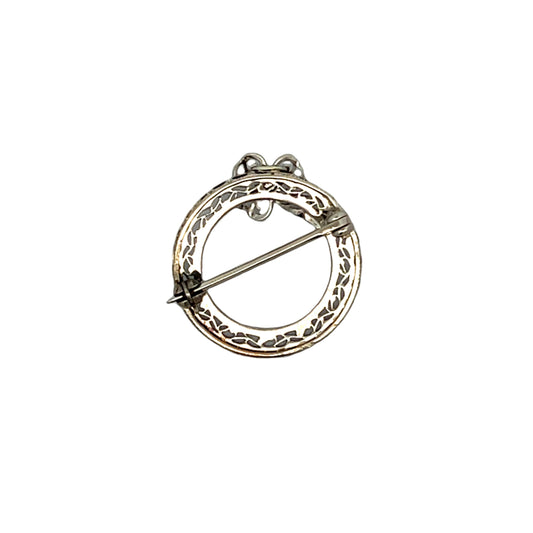
Antique Art Deco Filigree Seed Pearl Brooch in 14k
Regular price $750.00Regular priceUnit price per -
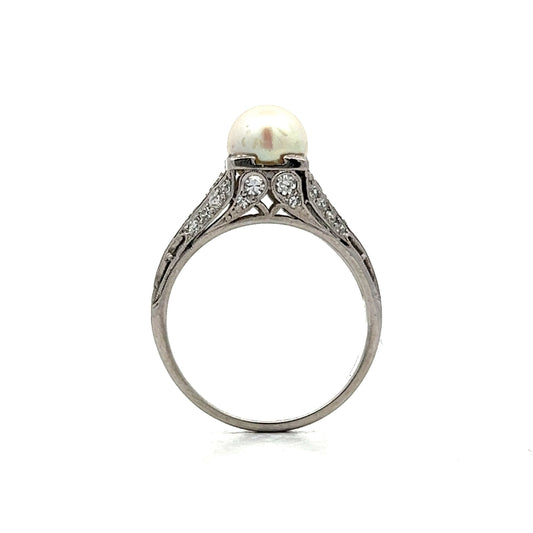
Deco Filigree Pearl & Diamond Cocktail Ring in Platinum
Regular price $2,575.00Regular priceUnit price per -
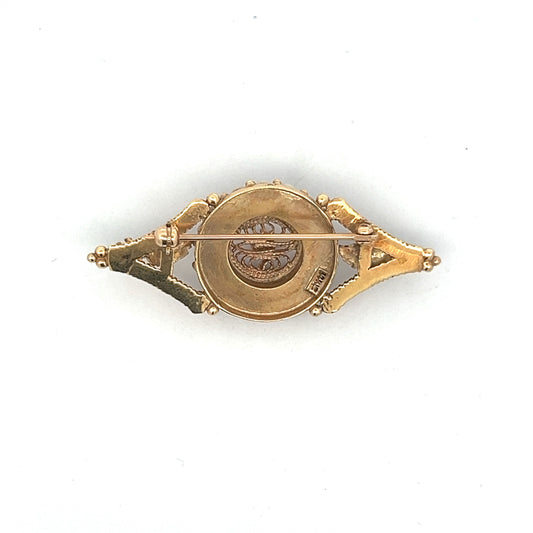
Vintage 1960's Pearl Brooch in 14k Yellow Gold
Regular price $1,610.00Regular priceUnit price per -
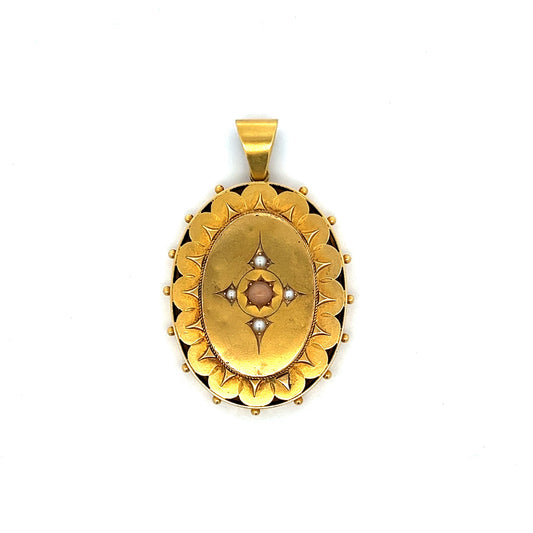
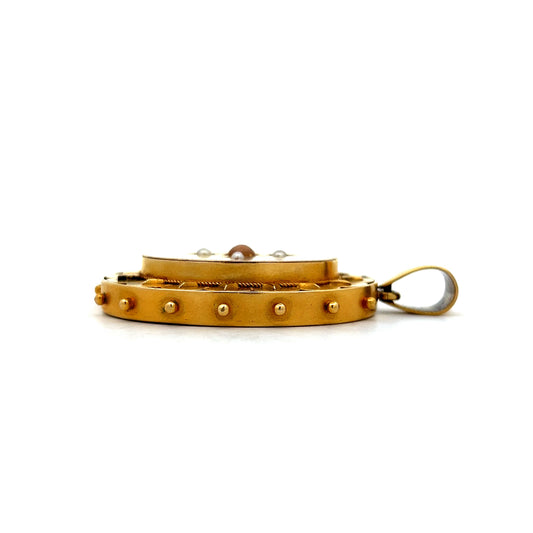
Antique Victorian Necklace Pendant in 14k Yellow Gold
Regular price $3,150.00Regular priceUnit price per -
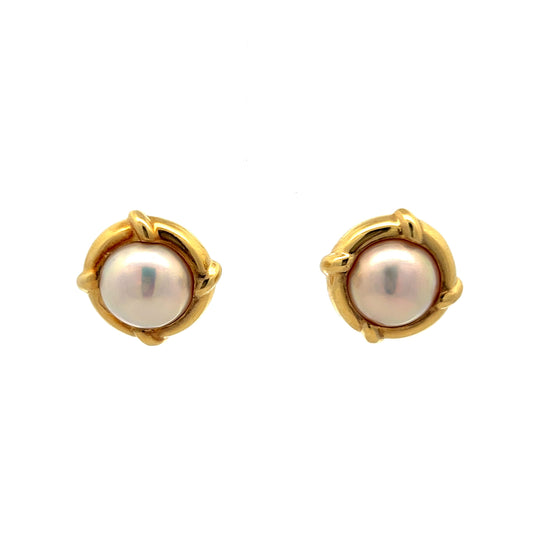
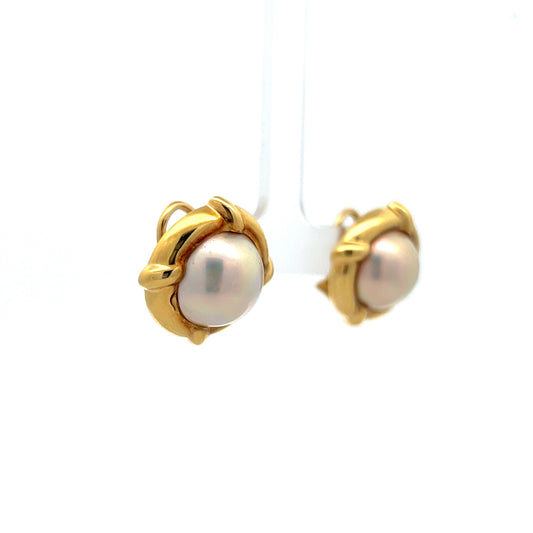
Tiffany & Co. Pearl Stud Earrings in 18k Yellow Gold
Regular price $3,600.00Regular priceUnit price per -
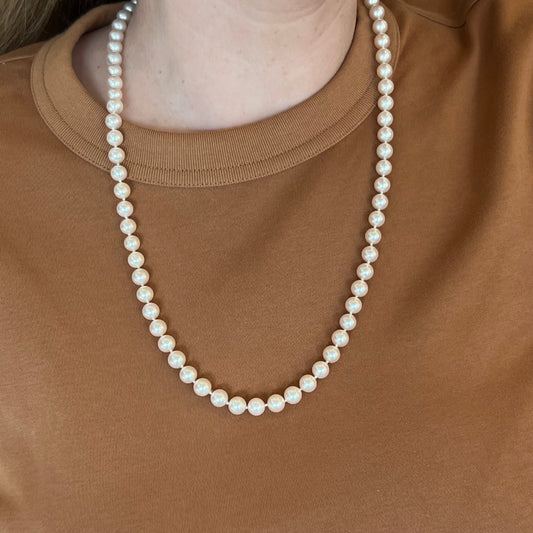
Classic Pearl Necklace Yellow Gold
Regular price $3,500.00Regular priceUnit price per -
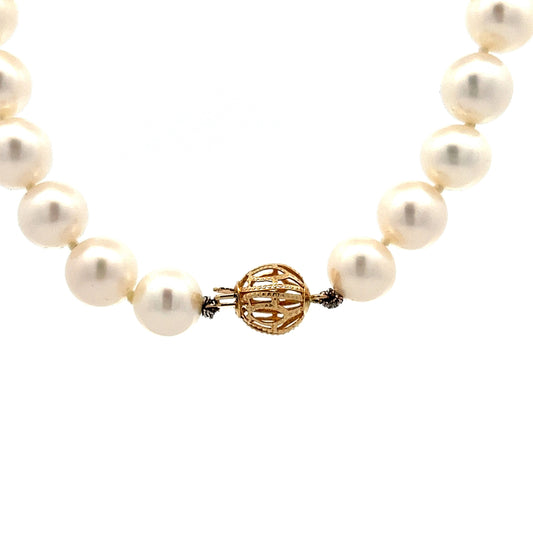
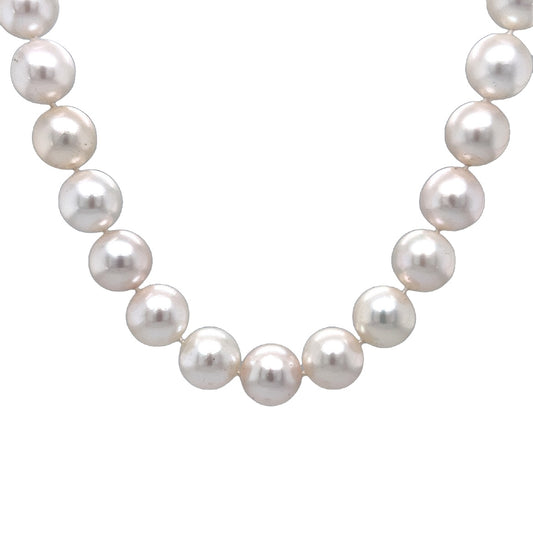
20 Inch Classic Pearl Necklace in 14k Yellow Gold
Regular price $2,600.00Regular priceUnit price per -
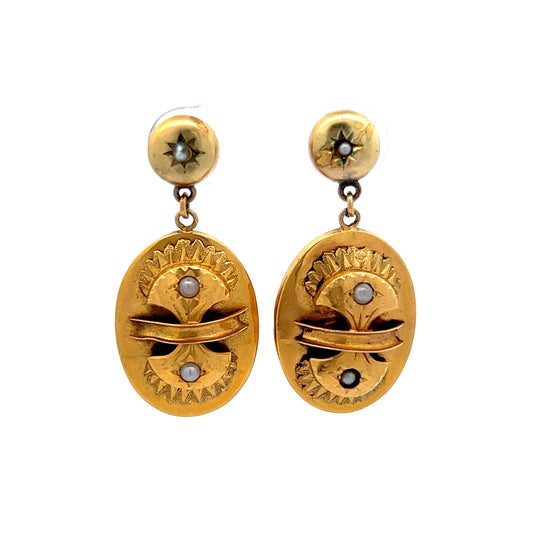
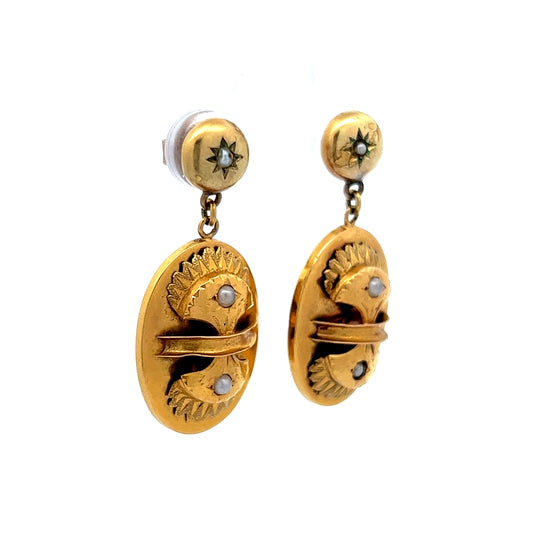
Victorian Pearl Amulet Shield Drop Earrings in 14K Yellow Gold
Regular price $1,475.00Regular priceUnit price per -
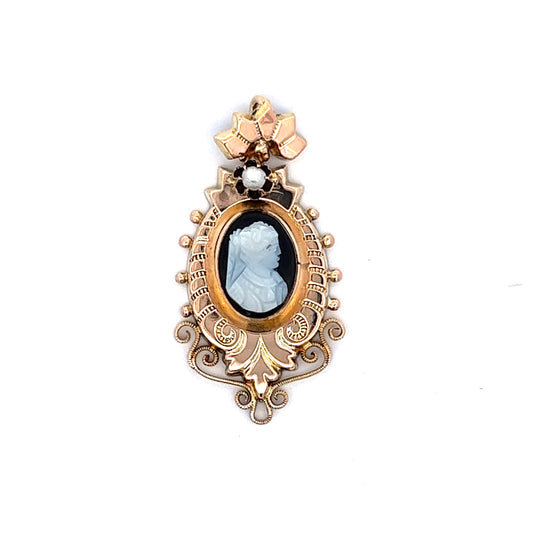
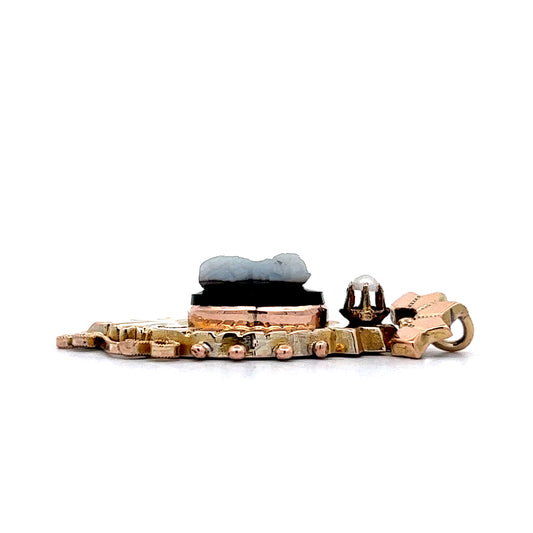
Victorian Pearl Cameo Pendant In 14K Yellow Gold
Regular price $690.00Regular priceUnit price per -
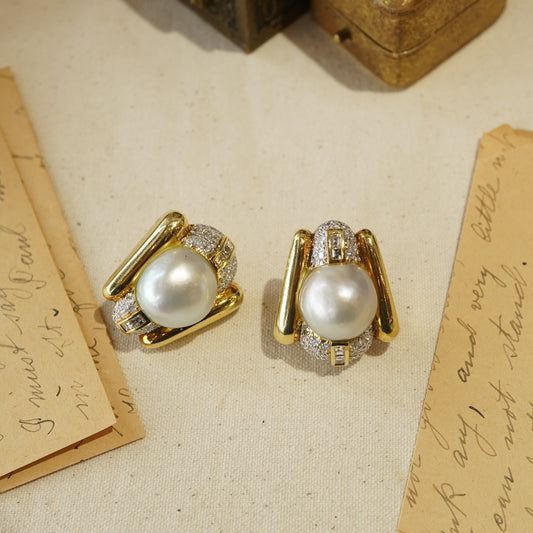
Mid Century Pearl & Diamond Earrings in 18k Yellow Gold
Regular price $12,000.00Regular priceUnit price per -
Necklace Modern Pearls & .10 Round Brilliant Cut Diamonds in 14k Yellow Gold
Regular price $7,500.00Regular priceUnit price per -
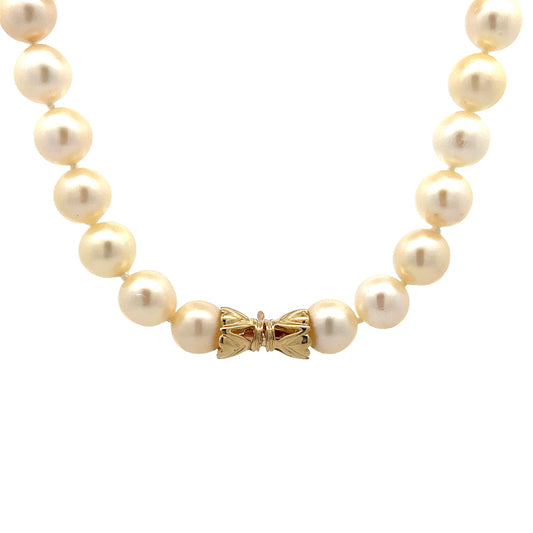
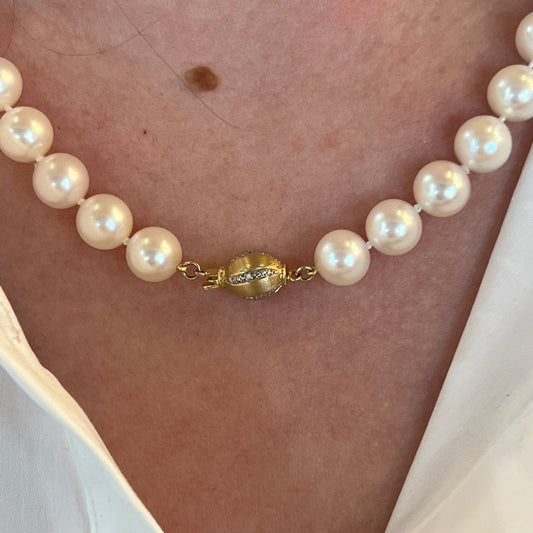
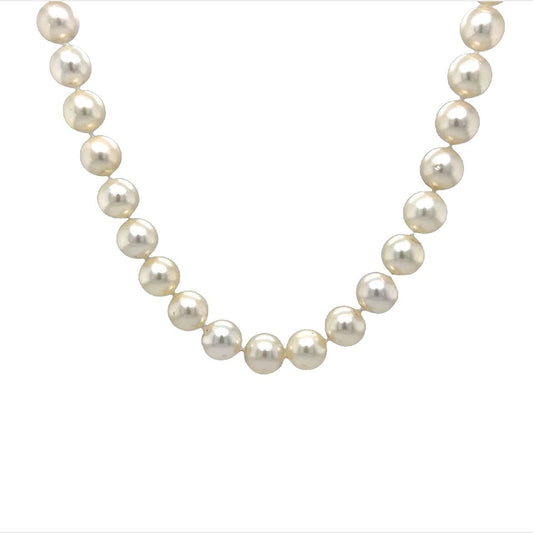
Vintage Mid-Century Necklace Akoya Pearl in 14k Yellow Gold
Regular price $3,500.00Regular priceUnit price per -
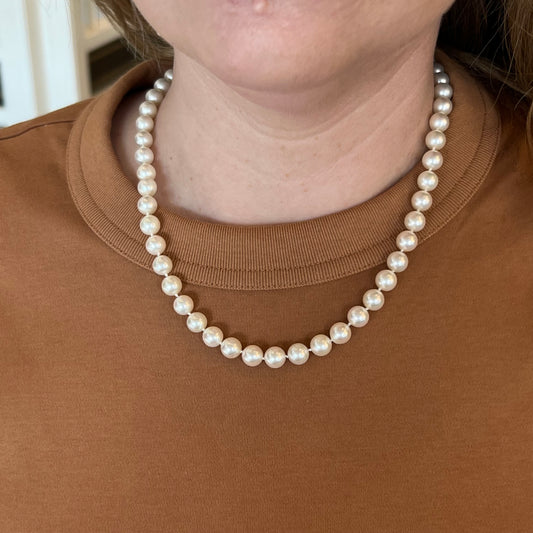
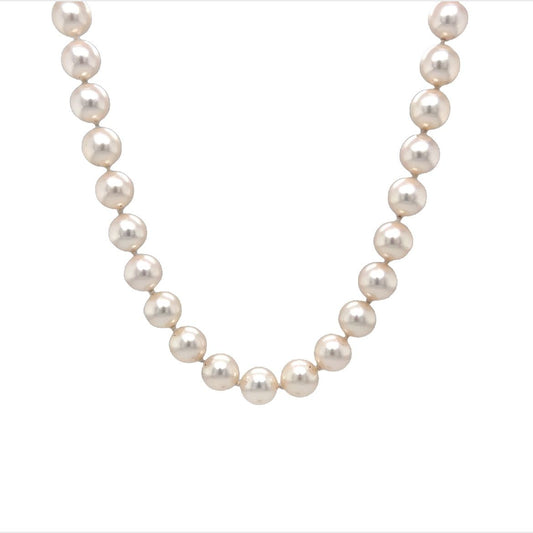
Vintage Mid-Century Necklace Akoya Pearl in 14k Yellow Gold
Regular price $5,150.00Regular priceUnit price per







About
Pearl Jewelry
Q: What is the birthstone for June?
Pearl is the principal birthstone for June, and it stands apart from every other stone on the calendar: it is the only gem made by a living creature, and the only one that comes out of the water finished, needing no cutting or polishing to reveal itself. A mollusk coats an irritant in layer after layer of nacre, and the depth and regularity of those layers create the glow the trade calls luster. Pearls have marked weddings, births, and coming-of-age gifts for as long as records exist, which gives a June birthday a birthstone with unmatched ceremonial pedigree, equally at home on a christening gown and at a board table.
Q: What is the difference between natural and cultured pearls?
A natural pearl forms entirely by accident, with no human involvement, and for most of history finding one meant opening thousands of oysters. That scarcity made natural pearls the province of royalty and made a matched strand a fortune. Around the turn of the twentieth century, culturing was perfected: a technician introduces the irritant, the mollusk does everything else, and the result is a real pearl of nacre laid down exactly as nature does it. Cultured pearls opened the gem to everyone and are the standard today. Natural pearls survive mostly in antique jewelry, where they are increasingly treasured, and definitive separation is done by X-ray at a gem laboratory. Antique pieces with documented natural pearls carry real significance.
Q: What are seed pearls, and why are they all over Victorian jewelry?
Seed pearls are tiny natural pearls, traditionally under a quarter grain, and the Victorians built an entire aesthetic on them. Worked into lace-like clusters, strung on horsehair, or set as halos around a central stone, they let jewelers spread the glow of pearl across a whole piece at a time when larger pearls were unattainable for most. They also suited the era's language of sentiment; pearls stood for purity and sometimes for tears, and seed pearl jewelry marked weddings and mourning alike. Surviving seed pearl pieces are delicate by nature and rewarding to own, small masterpieces of patience from an era that had it.
Q: What should I look for in a pearl?
Luster first, always. A fine pearl reflects light with a depth that seems to come from inside the gem, sharp enough that you can nearly read reflections in its surface; chalky or dull pearls fail regardless of size. Then surface quality, since minor blemishes are natural but should not dominate; shape, where perfectly round is rarest but baroque forms have their own following; and color, which runs from silver white through cream, rose, gold, and gray, with rose overtones especially flattering against most skin. In strands and earrings, matching matters as much as any single pearl. Size drives presence, but a smaller strand with superb luster outshines a larger dull one every time.
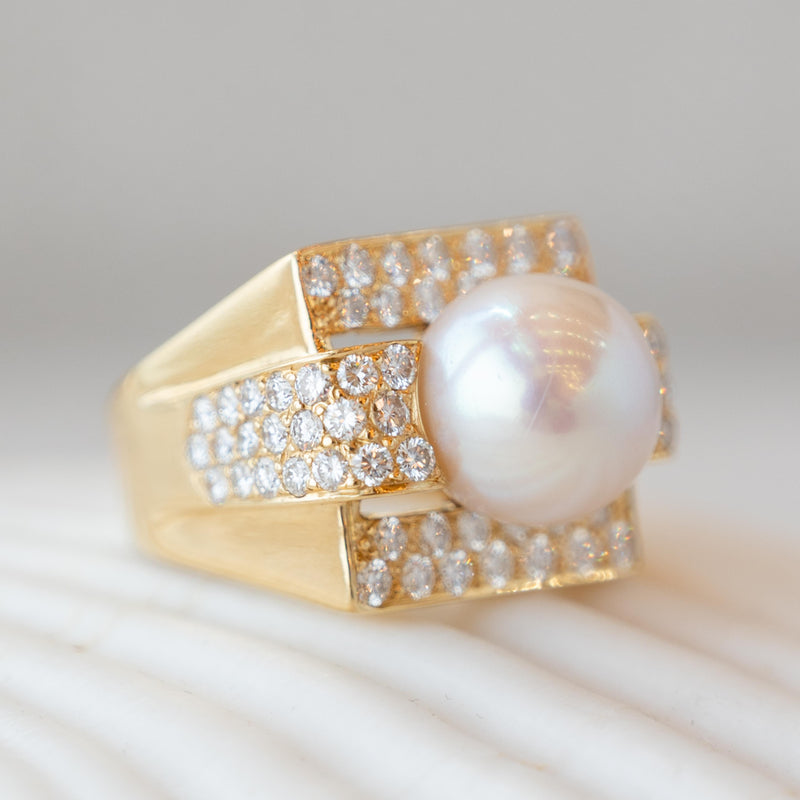
June Birthstone Pearl: From Victorian Seed Pearls to Mid-Century Mabe
Natural versus cultured, the Victorian seed pearl tradition, and the luster that decides everything
Read the Guide