
-
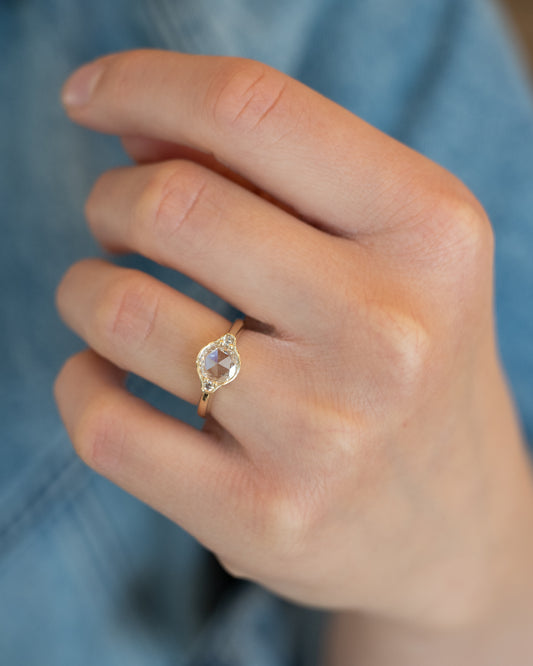
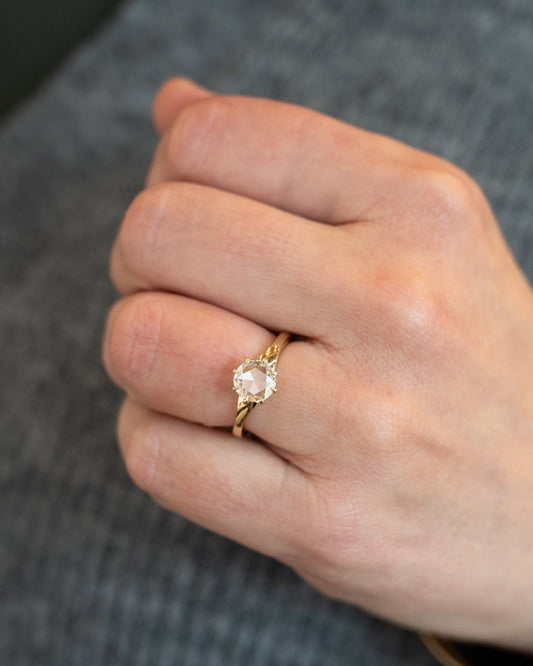
1.00 Rose Cut Diamond Engagement Ring in 14k
Regular price $7,900.00Regular priceUnit price per -
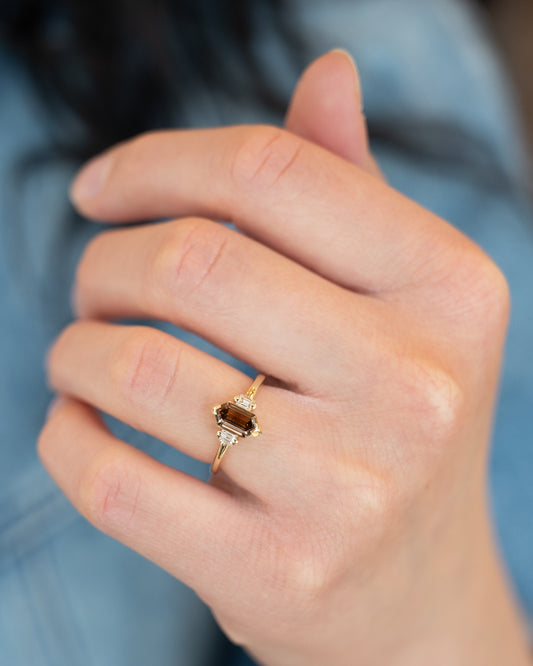
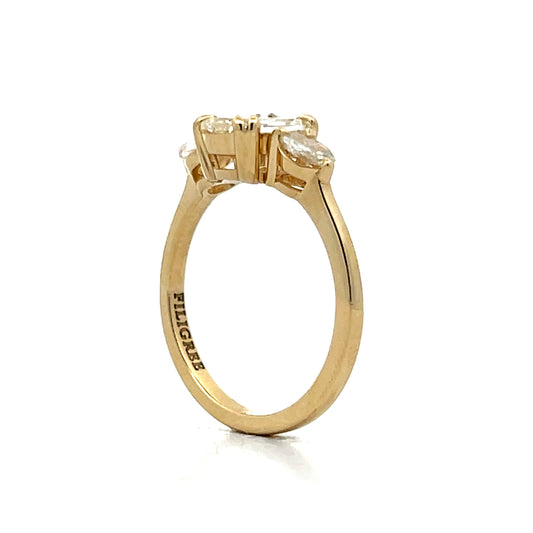
1.05 Hexagon Three Stone Engagement Ring in 14k
Regular price $5,300.00Regular priceUnit price per -
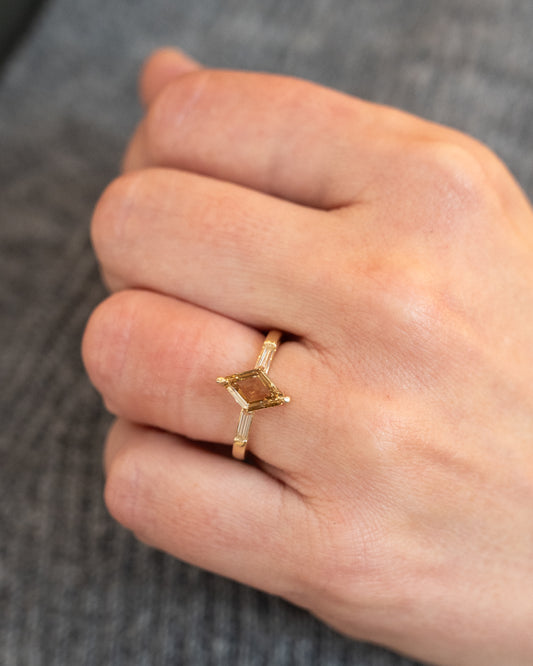
1.14 Lozenge Diamond Engagement Ring in 14k Yellow Gold
Regular price $6,775.00Regular priceUnit price per -
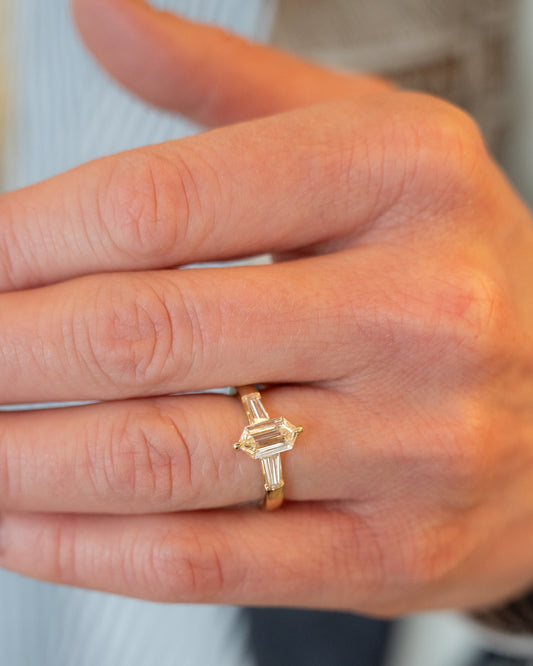
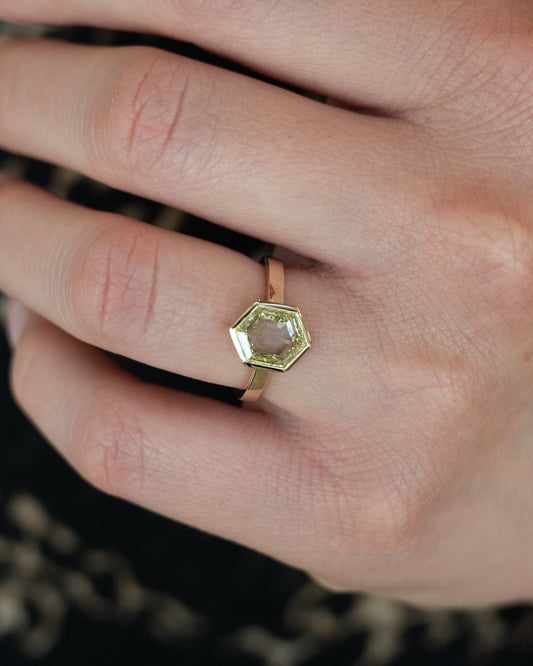
1.01 Hexagon Diamond Engagement Ring in 14k
Regular price $7,950.00Regular priceUnit price per -
1 Carat Solitaire Rose Diamond Engagement Ring in 14k
Regular price $6,750.00Regular priceUnit price per -
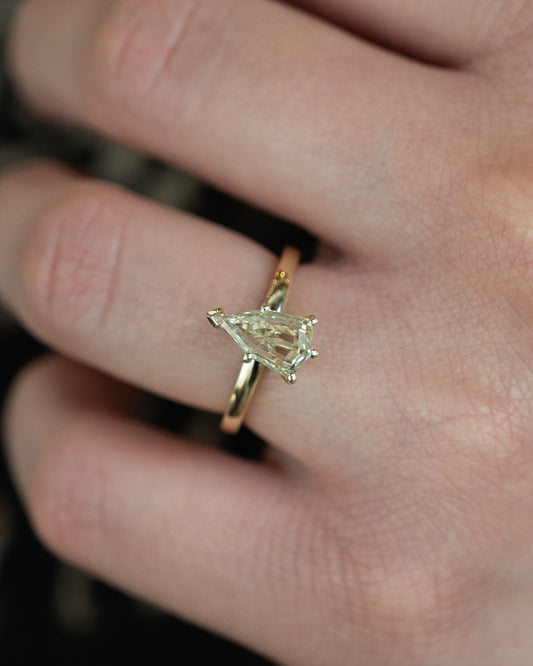
1.37 Shield Cut Diamond Engagement Ring in 14k
Regular price $7,300.00Regular priceUnit price per -
2.08 Hexagon Portrait Cut Diamond Engagement Ring in 14k
Regular price $13,000.00Regular priceUnit price per -
1.23 Rose Cut Diamond Engagement Ring in 14k
Regular price $8,950.00Regular priceUnit price per -
.62 Rose Cut Diamond Engagement Ring in 18k
Regular price $5,650.00Regular priceUnit price per -
.41 Rose Cut Diamond Engagement Ring in 18k Yellow Gold
Regular price $5,250.00Regular priceUnit price per -
.67 Pear Rose Cut Diamond Engagement Ring in 18k
Regular price $2,600.00Regular priceUnit price per -
.65 Bezel Pear Rose Cut Diamond Engagement Ring in 18k
Regular price $2,750.00Regular priceUnit price per -
.94 Pear Rose Cut Diamond Engagement Ring in 18k
Regular price $3,850.00Regular priceUnit price per













About
Unique Diamond Shape Engagement Rings
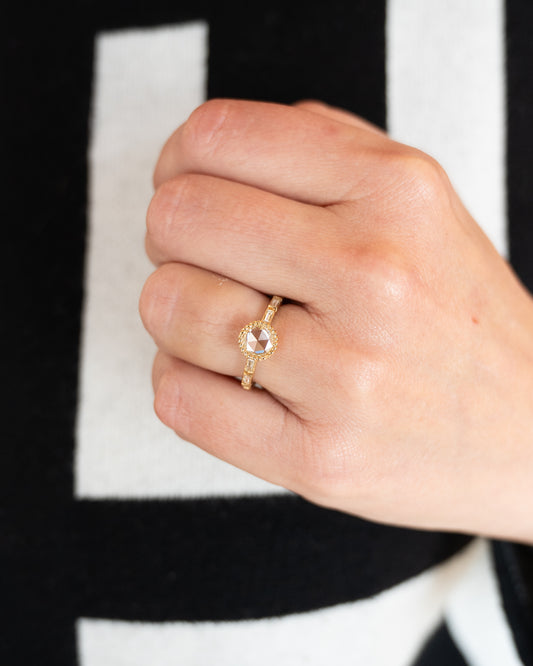
Q: What is a rose cut diamond?
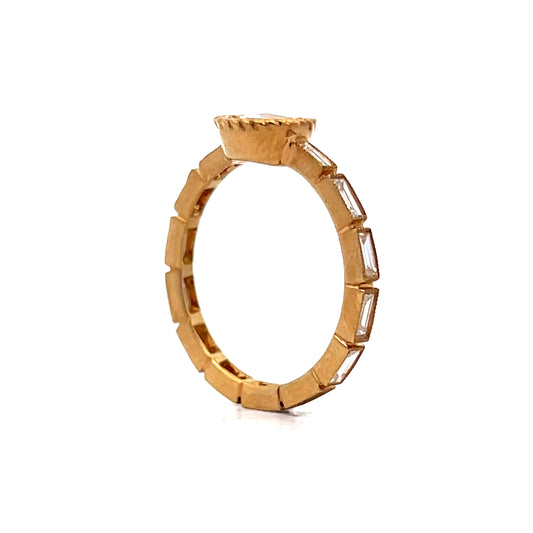
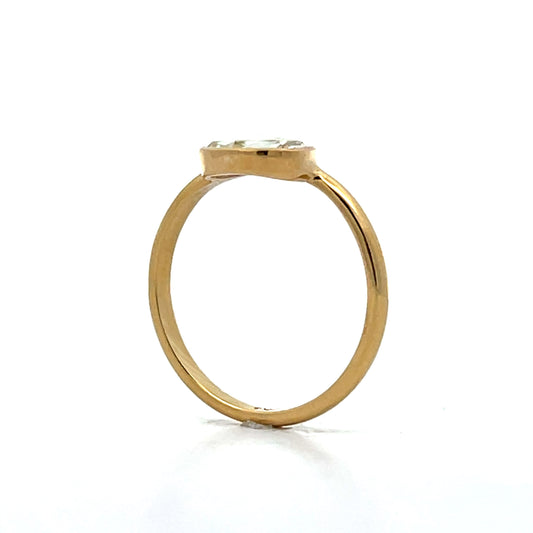
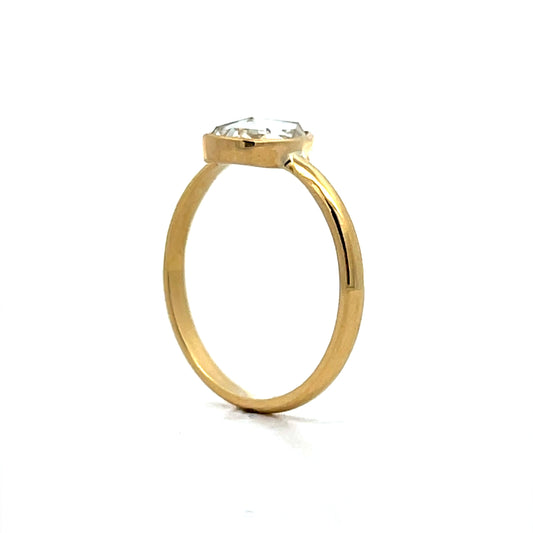
A rose cut has a flat base, a domed top, and a facet pattern that converges at a single point at the apex of the dome. Unlike modern brilliant cuts, there's no pavilion below the girdle, so the stone sits low in the setting and has less depth. Rose cuts were the dominant diamond shape from roughly the 16th century through the late Victorian period, before the round brilliant replaced them. The light behavior is fundamentally different from modern cuts: rose cuts produce a soft, diffused glow rather than sparkle, and they perform particularly well in low or natural light.
Q: What is a portrait cut diamond?
A portrait cut (also called a tableau cut) features a very shallow, wide table facet that lets you look directly into the interior of the stone from above. The shallow faceting is intentional, designed to display the diamond's internal characteristics, inclusions, or unusual color rather than maximizing light return. Portrait cuts are typically used for stones with interesting internal features that would be hidden by deeper faceting. They sit flat and low in the setting and look quite different from any other diamond shape.
Q: Are non-standard diamond shapes GIA certified?
Yes. GIA grades non-standard shapes using the same criteria as standard cuts: carat weight, color, and clarity. The cut grade on GIA reports for non-standard shapes is typically listed as a description rather than a grade scale (Excellent through Poor), because GIA's grading scale for cut was developed around the round brilliant. A rose cut will be described as a rose cut with relevant measurements rather than assigned an Excellent or Very Good cut grade.
Q: Do unique diamond shapes hold their value?
The value of any diamond is primarily driven by the material (carat weight, color, clarity) rather than the shape. Non-standard shapes don't trade as actively as round brilliants in the resale market, which can make pricing less transparent. Antique shapes like rose cuts have a collector market and can command premiums when the stone is in excellent condition and well-documented. Custom geometric shapes are more dependent on the specific buyer.