
-
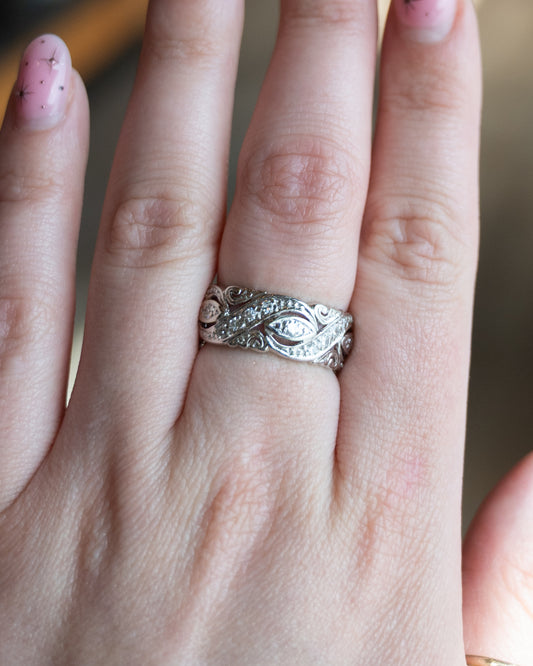
Vintage Mid-Century Diamond Eternity Band Platinum
Regular price $1,650.00Regular priceUnit price per -
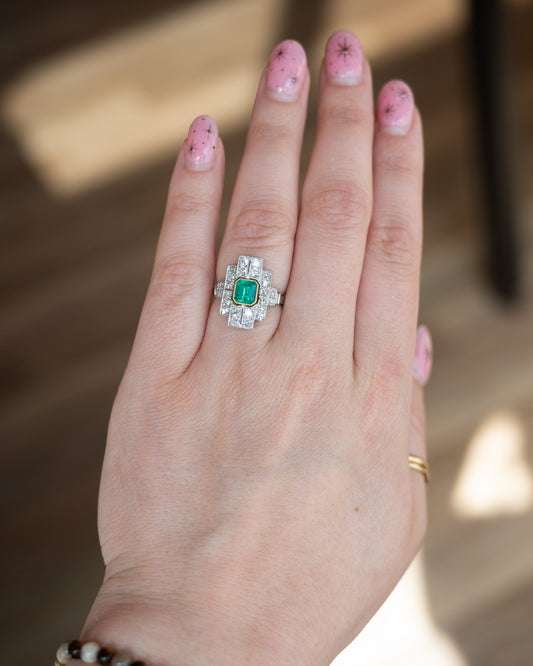
.94 Art Deco Emerald Cocktail Ring Platinum & 18k
Regular price $6,890.00Regular priceUnit price per -
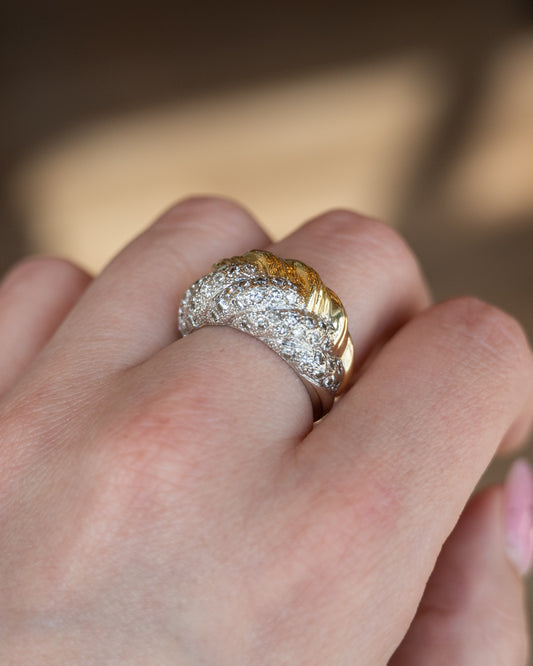
.56 Woven Diamond Cocktail Ring 18k Platinum
Regular price $3,500.00Regular priceUnit price per -
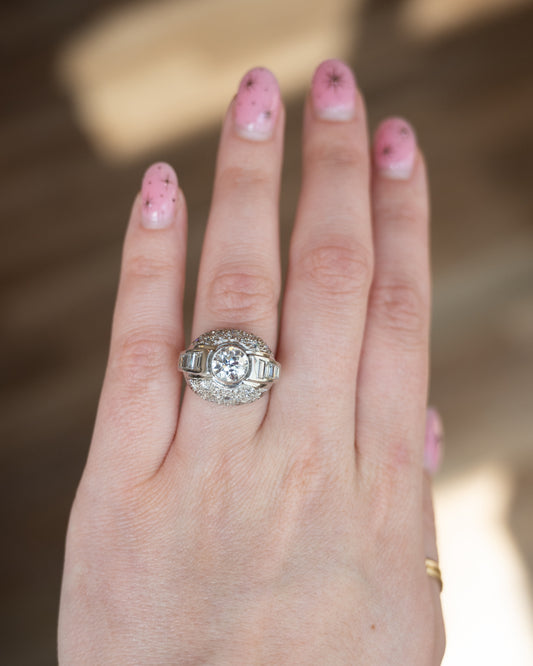
1.45 Vintage Art Deco Diamond Cocktail Ring Platinum
Regular price $8,900.00Regular priceUnit price per -
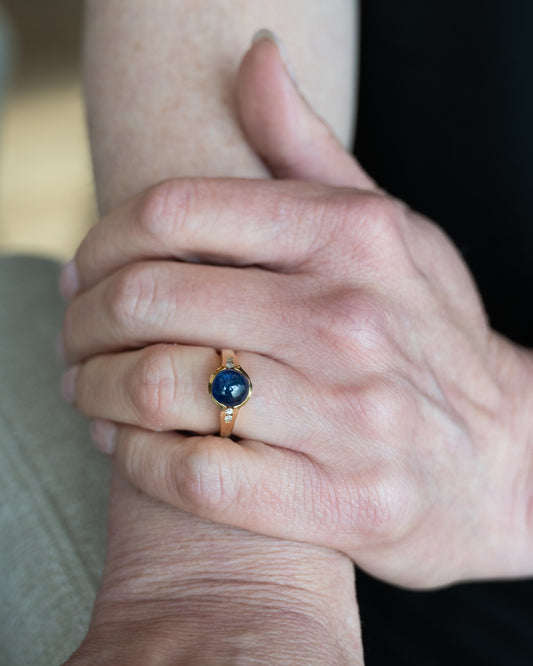
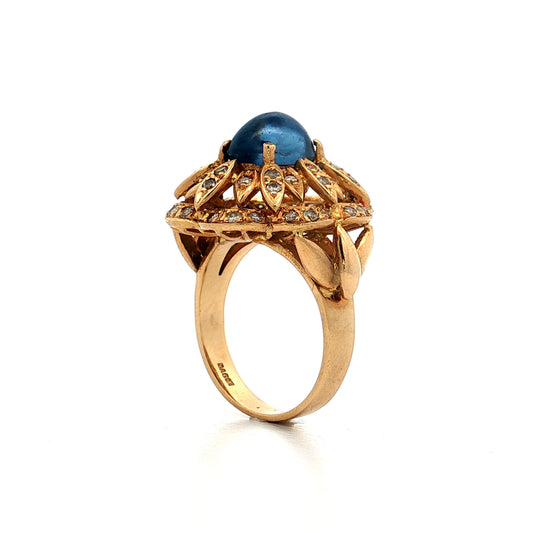
3.11 Star Sapphire Cocktail Ring 14k Yellow Gold
Regular price $3,600.00Regular priceUnit price per -
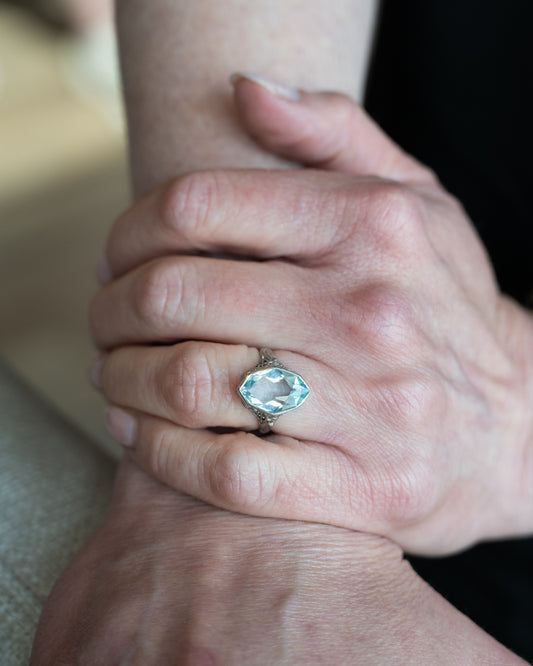
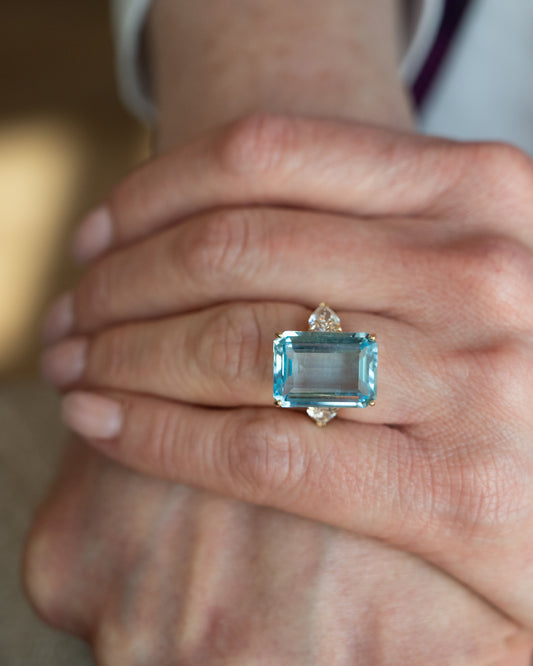
3.29 Vintage Art Deco Aquamarine Cocktail Ring 14k
Regular price $2,400.00Regular priceUnit price per -
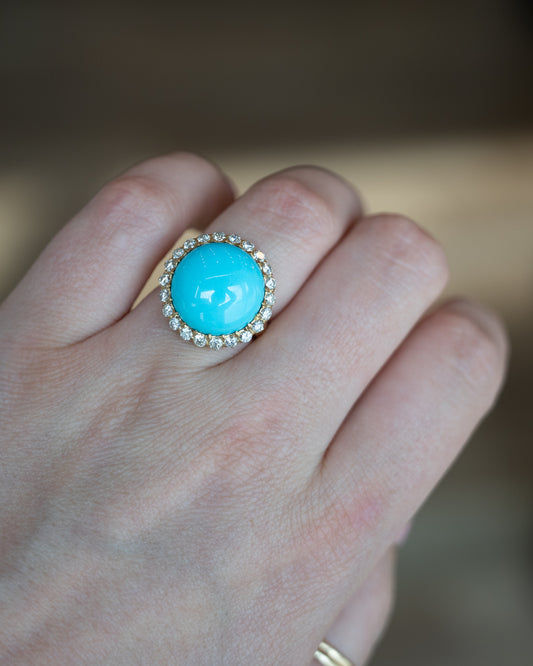
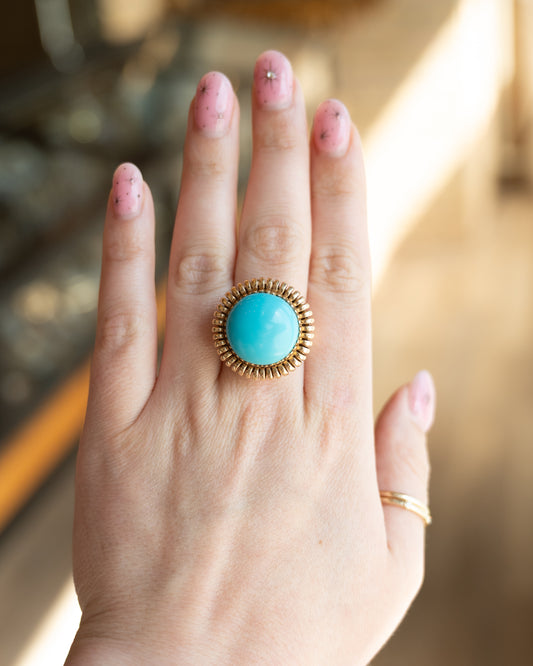
Turquoise & Diamond Cocktail Ring 18k Yellow Gold
Regular price $3,250.00Regular priceUnit price per -
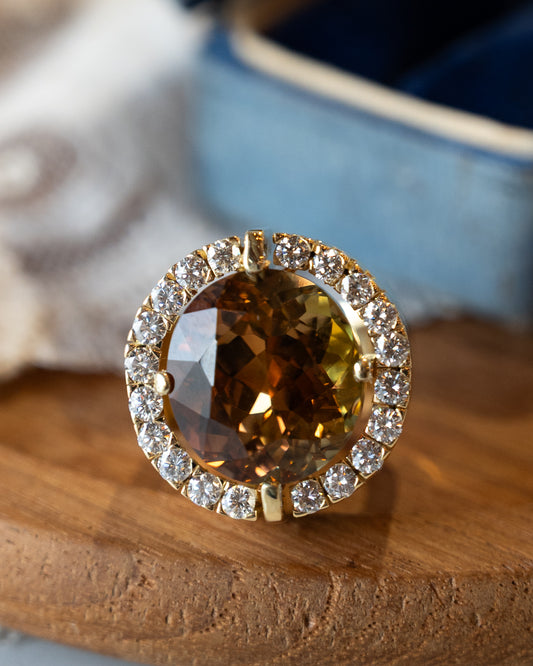
16.21 Bicolor Tourmaline Cocktail Ring 18k Yellow Gold
Regular price $9,750.00Regular priceUnit price per -
Jabel Diamond Cocktail Ring 18k Two-Tone Gold
Regular price $2,900.00Regular priceUnit price per -
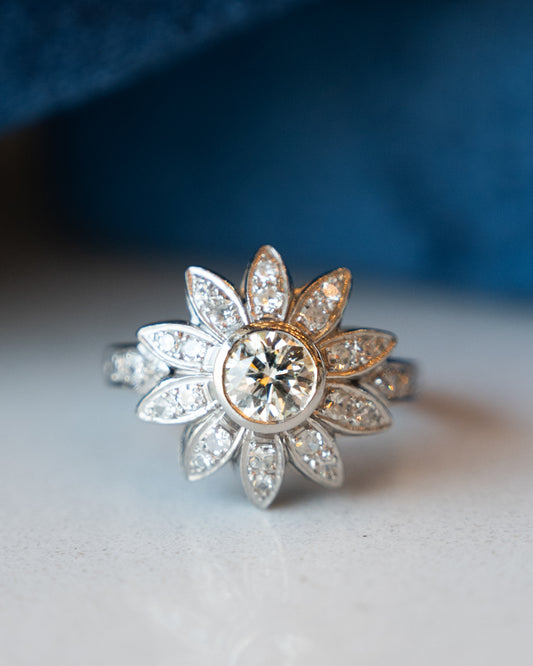
.80 Vintage Mid-Century Diamond Flower Cocktail Ring Platinum
Regular price $4,250.00Regular priceUnit price per -
24.00 Vintage Mid-Century Turquoise Cocktail Ring 14k
Regular price $3,650.00Regular priceUnit price per -
12.32 Aquamarine & Diamond Cocktail Ring 14k
Regular price $11,500.00Regular priceUnit price per -
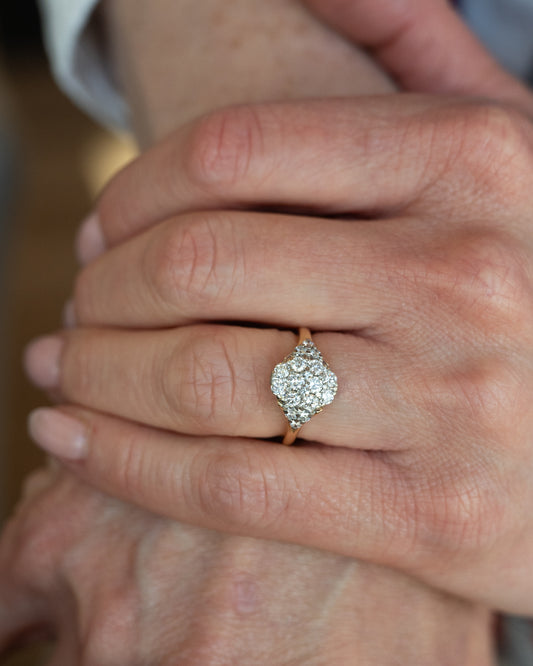
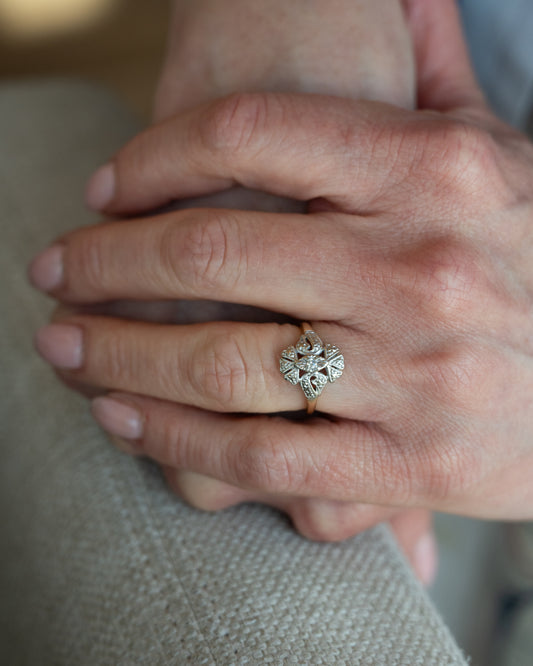
Vintage Retro Diamond Navette Ring 14k Two-Tone Gold
Regular price $720.00Regular priceUnit price per -
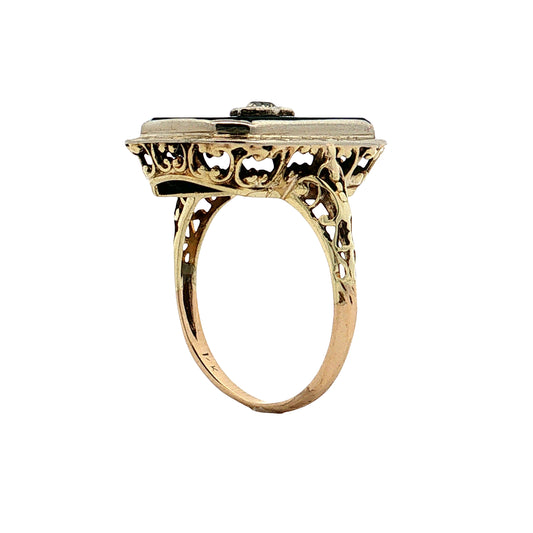
Diamond & Onyx Cocktail Ring 14k Two-Tone
Regular price $1,650.00Regular priceUnit price per -
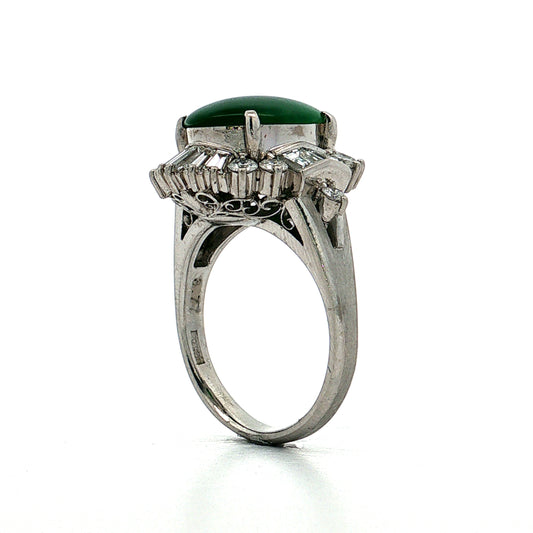
3.77 Jadeite & Diamond Ballerina Ring Platinum
Regular price $7,800.00Regular priceUnit price per -
3.50 Star Sapphire Flower Cocktail Ring 18k
Regular price $4,250.00Regular priceUnit price per -
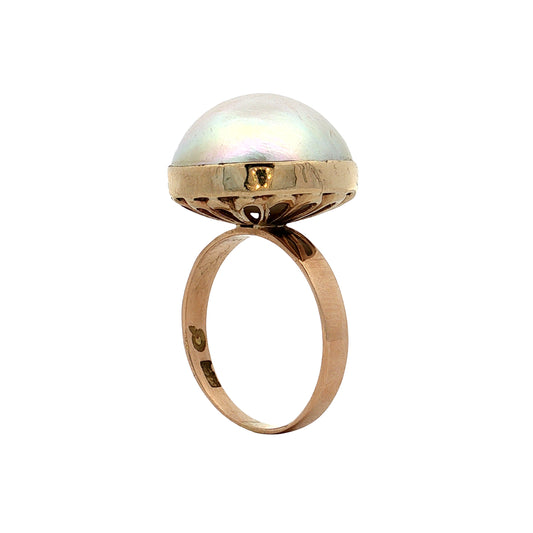
Pearl Cocktail Ring 14k Yellow Gold
Regular price $1,450.00Regular priceUnit price per -
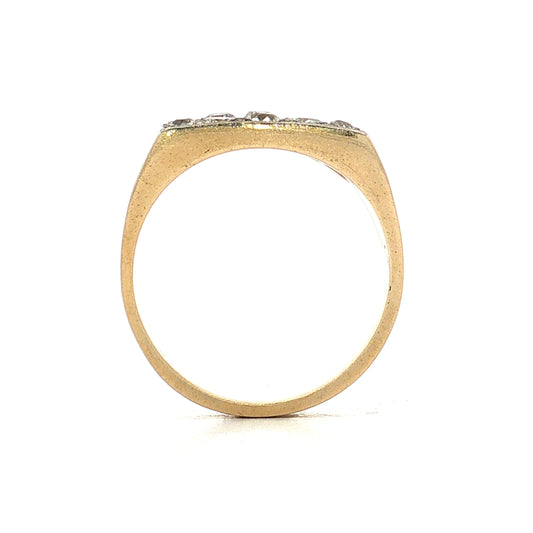
.75 Vintage Mid-Century Diamond Cocktail Ring 14k
Regular price $1,950.00Regular priceUnit price per -
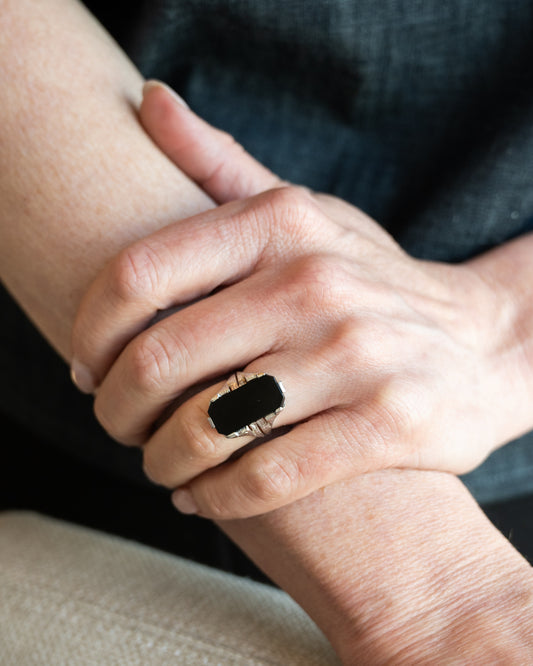
Antique Art Deco Onyx Cocktail Ring 14k White Gold
Regular price $1,200.00Regular priceUnit price per -
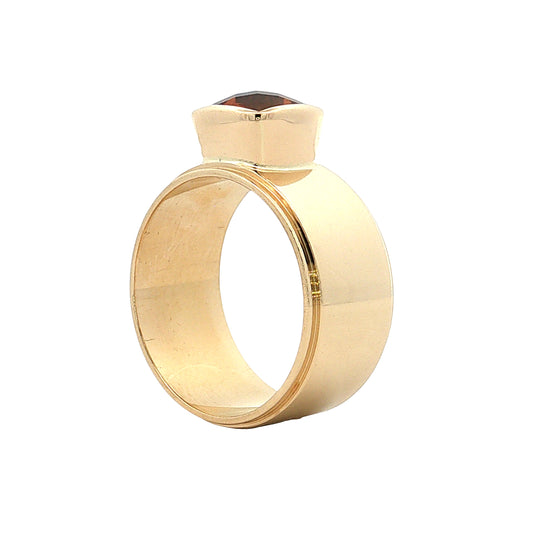
1.95 Citrine Cushion Cocktail Ring 14k Yellow Gold
Regular price $2,800.00Regular priceUnit price per -
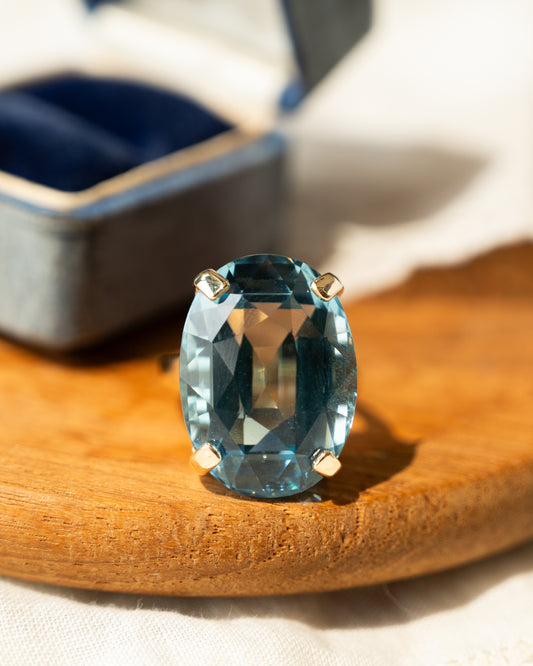
30.89 Oval Aquamarine Cocktail Ring 14k Yellow Gold
Regular price $13,750.00Regular priceUnit price per -
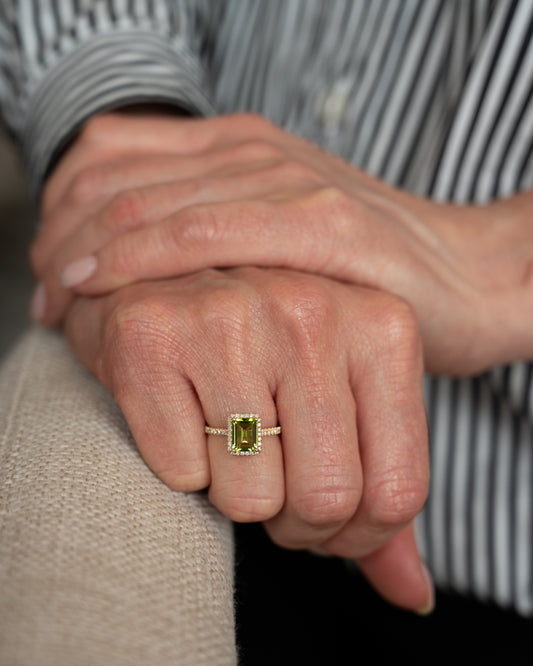
.65 Peridot & Diamond Halo Cocktail Ring 14k
Regular price $2,100.00Regular priceUnit price per -
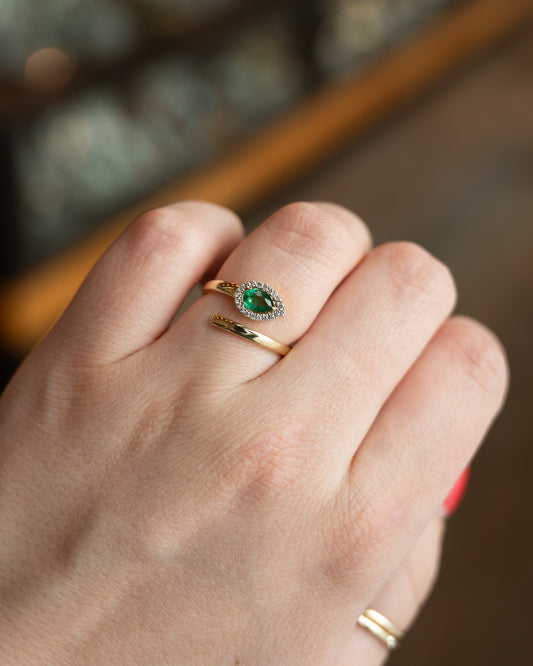
.31 Emerald & Diamond Snake Cocktail Ring 14k
Regular price $1,500.00Regular priceUnit price per -
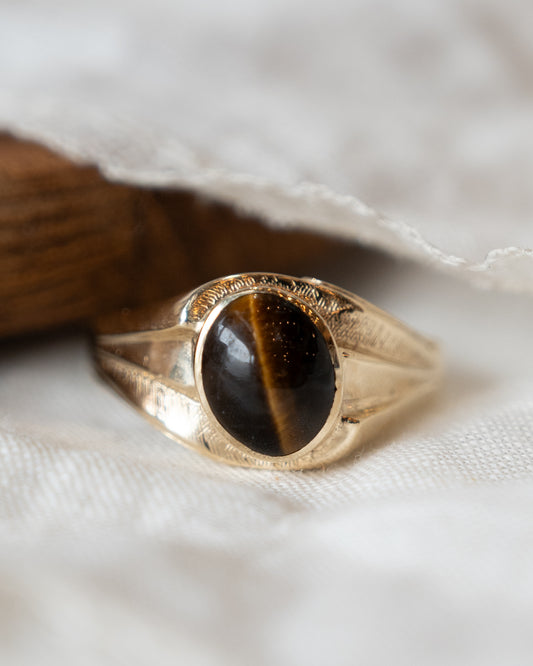
2.02 Vintage Mid-Century Tiger's Eye Cocktail Ring 10k
Regular price $1,100.00Regular priceUnit price per
























About
Cocktail Rings
Q: What makes a ring a cocktail ring?
Scale is the defining characteristic. Cocktail rings are larger and more visually prominent than typical dress rings, with oversized center stones, tall profiles, or wide surface coverage that extends beyond the width of the finger. They were originally designed to draw attention at social gatherings, and that intent shows in the construction. Beyond scale, cocktail rings tend to feature bolder gemstone choices and more elaborate settings than engagement rings or everyday jewelry. The term applies across all eras and styles, from a Victorian garnet cluster to a Mid-Century diamond dome.
Q: Which finger do you wear a cocktail ring on?
Traditionally the right hand, usually the ring finger or middle finger. The convention comes from the original purpose of keeping the cocktail ring visually separate from an engagement ring or wedding band on the left hand. That said, there's no rule. Some people wear them on the index finger for maximum visibility, and others stack them alongside other rings. The best finger depends on the size and weight of the specific ring and what feels comfortable.
Q: What gemstones are most popular in cocktail rings?
Nearly everything appears in cocktail rings, which is part of what makes the category distinctive. Diamonds are common, especially in cluster and pave arrangements. Colored gemstones are where cocktail rings really diversify: sapphires, rubies, emeralds, amethysts, aquamarines, citrines, tourmalines, opals, garnets, jadeite, coral, and onyx all appear across different eras. Art Deco pieces tend toward diamonds with onyx or sapphire accents. Retro pieces favor large aquamarines and citrines. Mid-Century pieces use a wider range, including unconventional stones like tiger's eye and agate.
Q: Are vintage cocktail rings more affordable than new ones?
In many cases, yes. A vintage cocktail ring with a large center stone in a gold or platinum setting will often cost less than a comparable new piece because the original retail markup has already been absorbed. The materials themselves (gold, platinum, gemstones) don't lose value with age. Signed pieces from recognized designers or houses can command premiums, but unsigned vintage rings with excellent craftsmanship and quality stones frequently represent strong value relative to what the same materials and labor would cost new.
Q: Can cocktail rings be worn every day?
It depends on the ring. Cocktail rings set in gold or platinum with hard gemstones (diamonds, sapphires, rubies) are durable enough for daily wear, though they'll attract more attention than a simple band. Rings with softer stones (opals, pearls, coral) or very tall profiles require more care and are better suited to occasional wear. Rings with open-back settings or delicate filigree should be removed for activities that involve impact or chemicals. The product description for each ring notes the stone type and setting style, which gives a good indication of how much wear it can handle.