
-
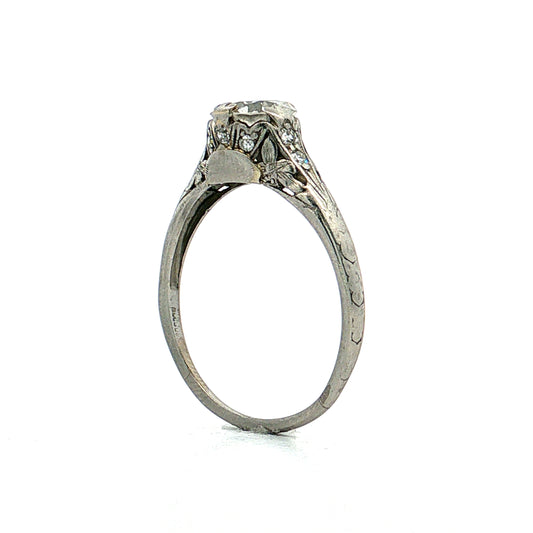
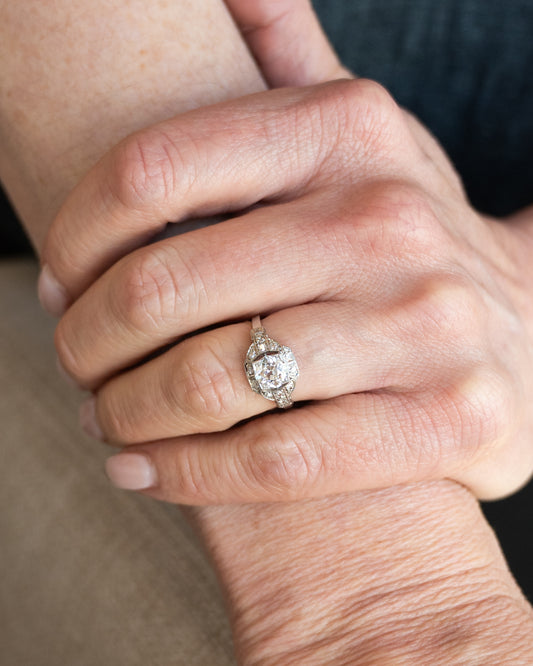
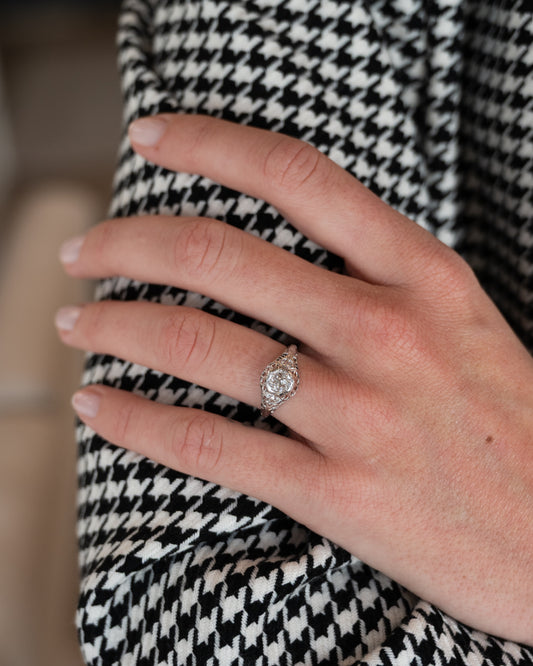
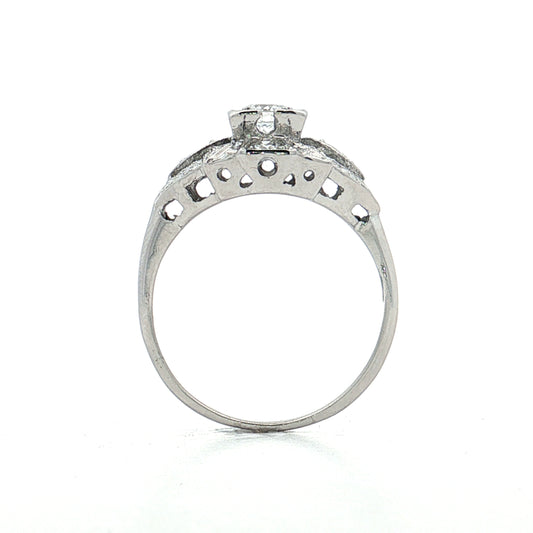
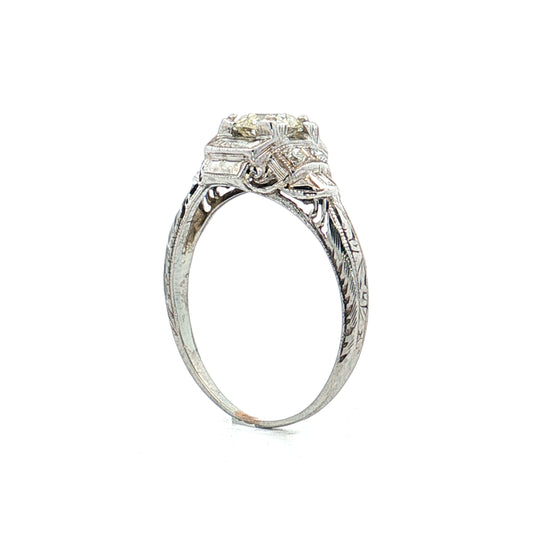
1.00 Art Deco Diamond Engagement Ring Platinum
Regular price $5,980.00Regular priceUnit price per -
1.04 Art Deco Diamond Engagement Ring Platinum
Regular price $7,350.00Regular priceUnit price per -
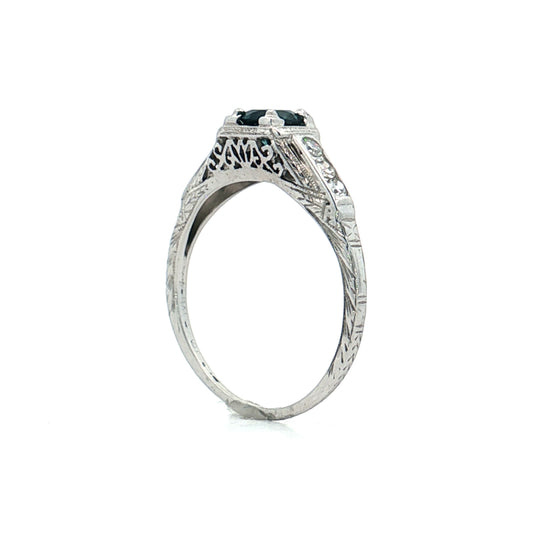
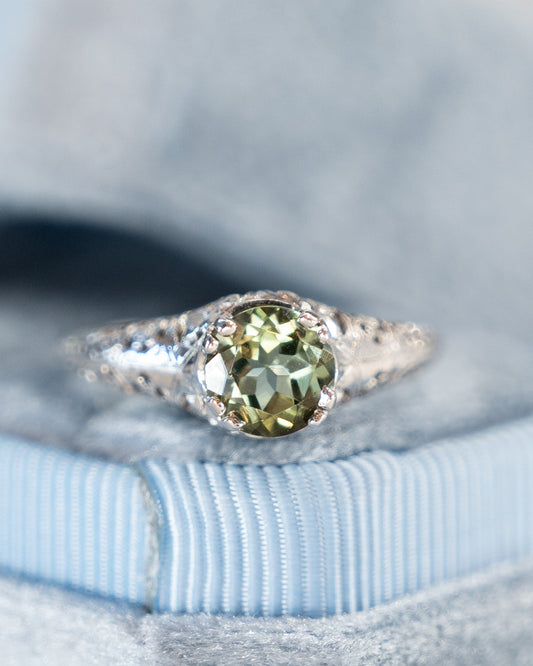
5.20 Vintage Green Sapphire Engagement Ring Platinum
Regular price $11,500.00Regular priceUnit price per -
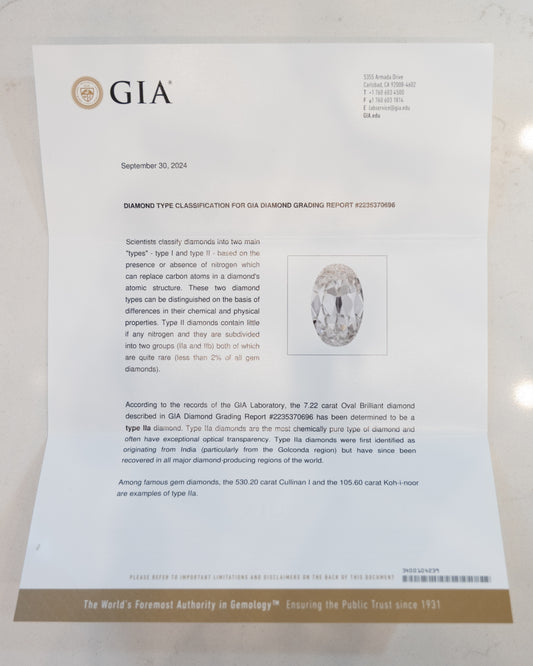
7.22 Art Deco Type IIA Diamond Engagement Ring Platinum
Regular price $285,000.00Regular priceUnit price per -
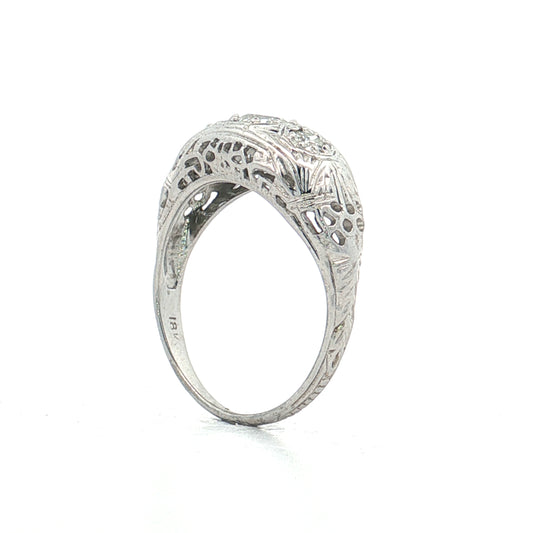
.12 Antique Art Deco Diamond Filigree Engagement Ring 18k
Regular price $1,450.00Regular priceUnit price per -
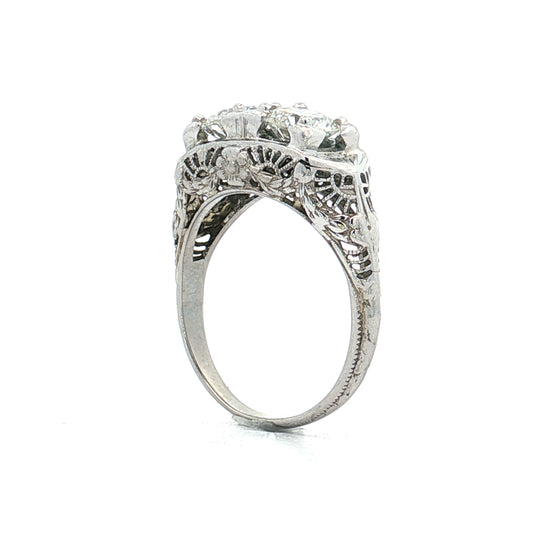
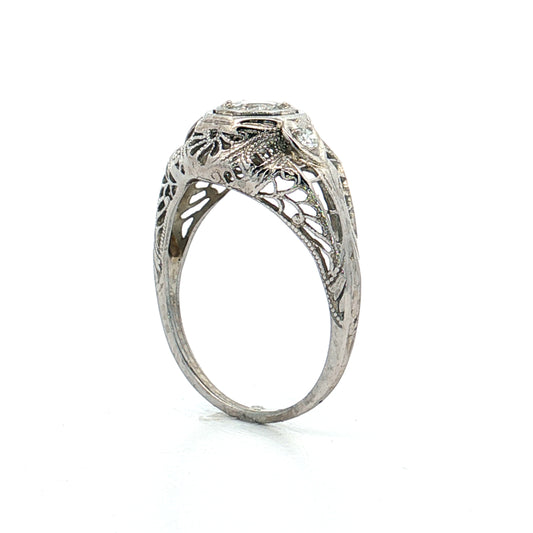
.35 Antique Filigree Diamond Engagement Ring 18k White Gold
Regular price $2,500.00Regular priceUnit price per -
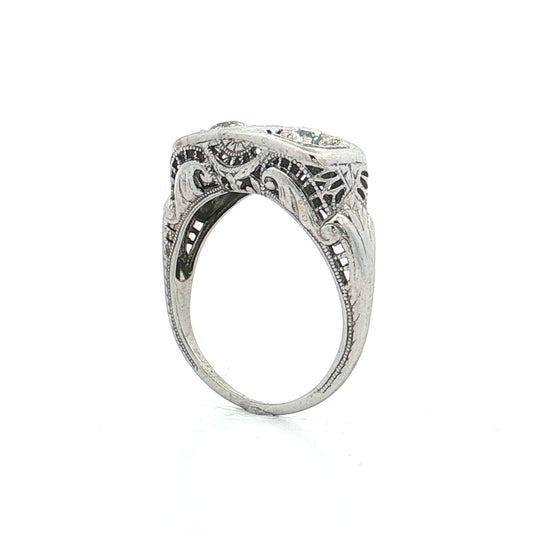
.25 Antique Deco Diamond Filigree Engagement Ring 18k
Regular price $2,275.00Regular priceUnit price per -
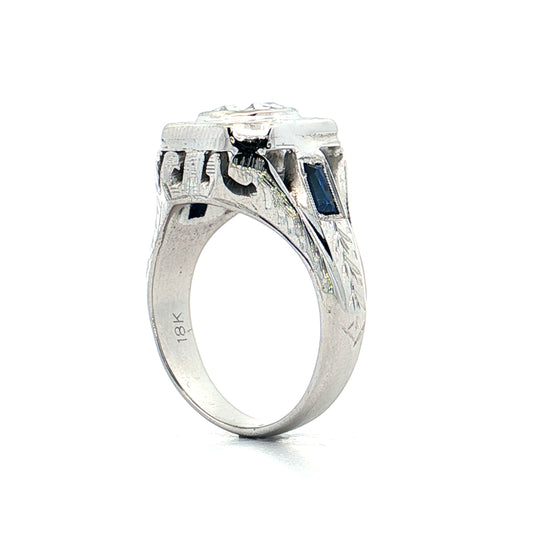
.45 Vintage Art Deco Diamond Sapphire Engagement Ring 18k
Regular price $2,950.00Regular priceUnit price per -
1.46 Vintage Old Euro Diamond Engagement Ring 18k
Regular price $9,150.00Regular priceUnit price per -
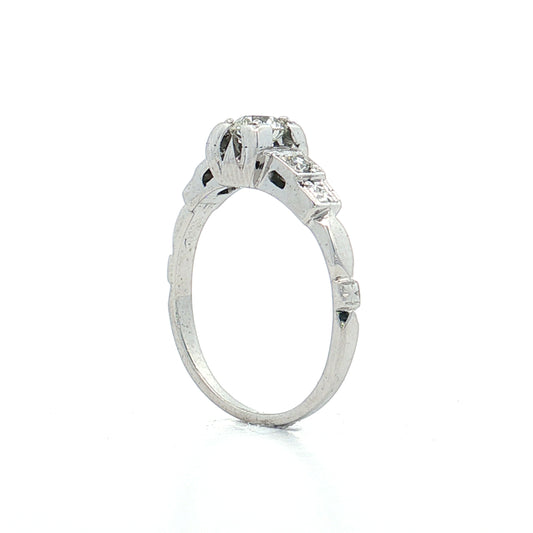
.28 Vintage Deco Transitional Diamond Engagement Ring Platinum
Regular price $2,950.00Regular priceUnit price per -
.50 Vintage Deco Sapphire Engagement Ring 18k
Regular price $2,650.00Regular priceUnit price per -
1.45 Vintage Toi Et Moi Diamond Ring 18k White Gold
Regular price $7,850.00Regular priceUnit price per -
.58 Art Deco Toi Et Moi Diamond Ring 18k White Gold
Regular price $2,750.00Regular priceUnit price per -
.38 Antique Three-Stone Diamond Engagement Ring 18k
Regular price $2,950.00Regular priceUnit price per -
.74 Mens Antique Rose Cut Diamond Ring 18k White Gold
Regular price $6,800.00Regular priceUnit price per -
.25 Antique Diamond Three Stone Engagement Ring 18k
Regular price $2,575.00Regular priceUnit price per -
.28 Vintage Deco Diamond Engagement Ring 18k
Regular price $2,100.00Regular priceUnit price per -
.50 Antique European Diamond Engagement Ring 18k
Regular price $3,150.00Regular priceUnit price per -
1 Carat Art Deco Tourmaline Engagement Ring 14k
Regular price $2,450.00Regular priceUnit price per -
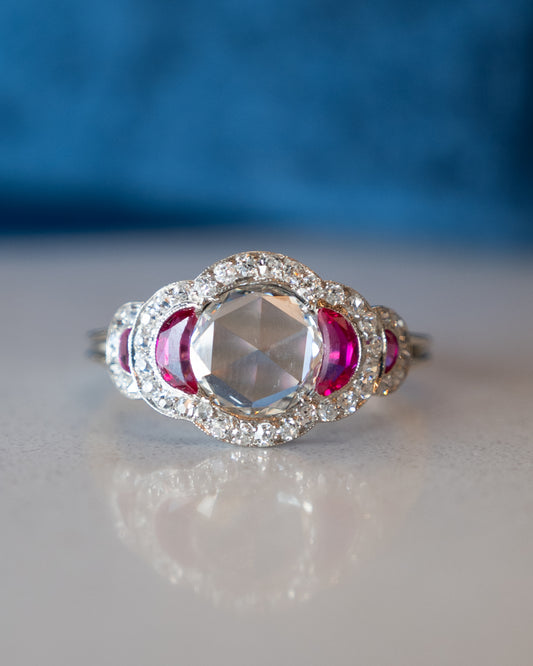
.75 Rose Cut Diamond & Ruby Engagement Ring Platinum
Regular price $9,550.00Regular priceUnit price per -
1.40 Antique Deco Three Stone Diamond Engagement Ring 18k
Regular price $3,700.00Regular priceUnit price per -
.49 Vintage Novelty Cut Diamond Engagement Ring 18k
Regular price $2,575.00Regular priceUnit price per -
.32 Antique Deco Euro Diamond Engagement Ring Palladium
Regular price $2,750.00Regular priceUnit price per -
.80 Vintage Diamond Three Stone Engagement Ring 18k
Regular price $2,400.00Regular priceUnit price per






















About
Art Deco Engagement Rings
Q: What makes an engagement ring Art Deco?
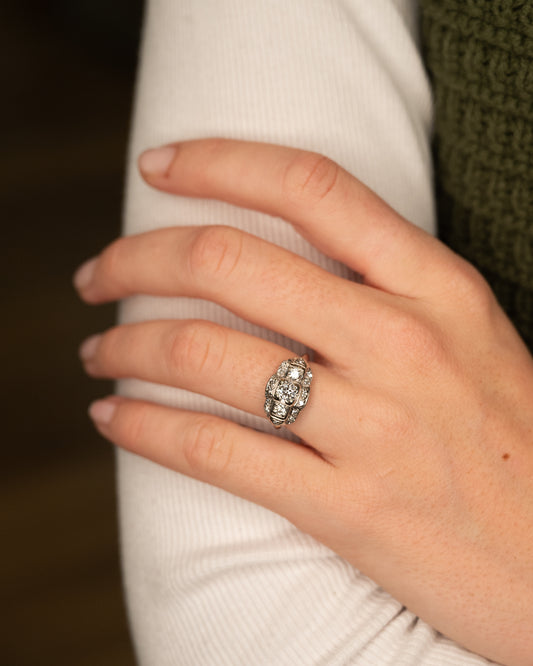
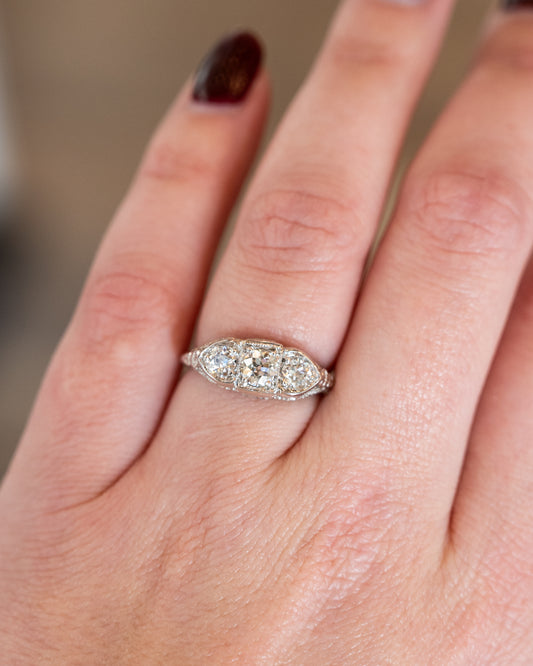
Art Deco engagement rings were made between roughly 1920 and 1935 and share a set of visual characteristics rooted in the era's broader design movement: geometric patterns, bilateral symmetry, stepped or tiered settings, and high contrast between metals and stones. Common details include milgrain edging, calibré-cut accent stones fitted into geometric layouts, and fan or sunburst motifs on the shoulders. The overall effect is architectural — these rings were designed with the same vocabulary as the buildings, furniture, and graphic design of the period.
Q: What is the difference between early and late Art Deco engagement rings?
Early Art Deco (1920–1925) is almost entirely platinum and white diamonds, with monochromatic compositions that emphasize line and structure over color. Late Art Deco (1926–1935) introduced bold color — rubies, sapphires, emeralds, and onyx — arranged in high-contrast patterns, often in white gold or yellow gold as platinum became scarcer. Late pieces also tend to be larger and more theatrical in scale. Two rings from opposite ends of the Art Deco period can look completely different despite being separated by less than a decade.
Q: What diamond cuts are most common in Art Deco engagement rings?
Step cuts dominate. Emerald cuts and asscher cuts were favored because their long, clean facet lines reinforced the geometric design language of the era. Old European cut diamonds appear in Art Deco settings as well, particularly in earlier pieces that used stones recut or carried over from the Edwardian period. You'll also see baguette-cut diamonds used as accent stones flanking a center stone, arranged in symmetrical patterns along the shoulders of the ring.
Q: How can I tell if an Art Deco ring is authentic or a reproduction?
Start with construction. Authentic Art Deco rings were hand-fabricated, so the metalwork under magnification will show tool marks, slight asymmetries, and hand-cut details that machine-made reproductions lack. Look at the setting from the side and back — period pieces typically have open galleries and hand-finished undersides, while reproductions often have solid, cast backs. The metal itself is a clue: most authentic Art Deco engagement rings are platinum or 18k white gold. If a ring is stamped 14k or 10k and claimed to be Art Deco, that warrants closer scrutiny. GIA certification on the center stone and a jeweler who can walk you through the construction details are the most reliable verification.