
-
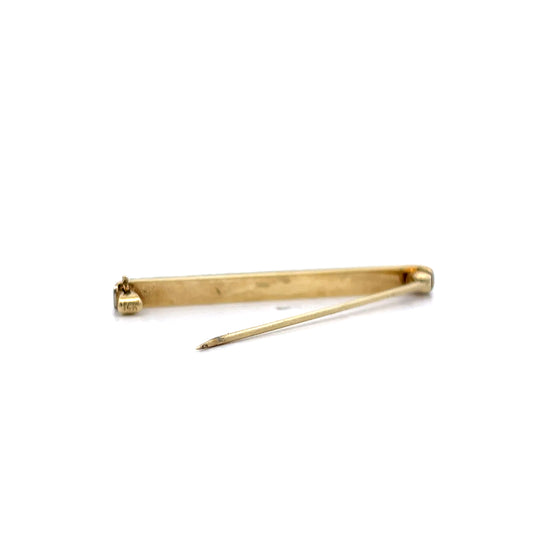
Antique Art Deco Pearl Brooch 14k Two-Tone Gold
Regular price $925.00Regular priceUnit price per -
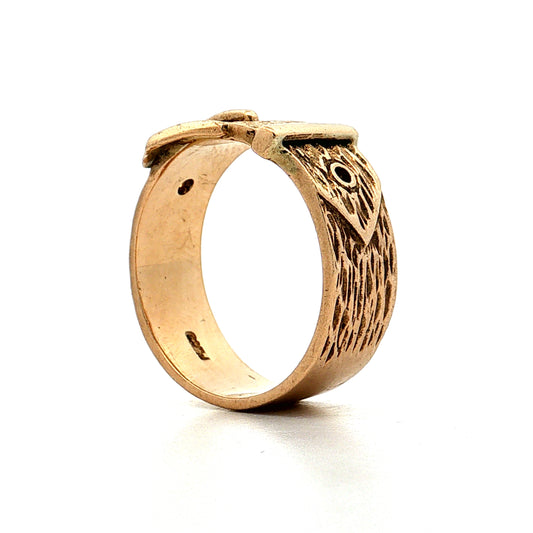
Antique Victorian Buckle Ring 10k Yellow Gold
Regular price $1,250.00Regular priceUnit price per -
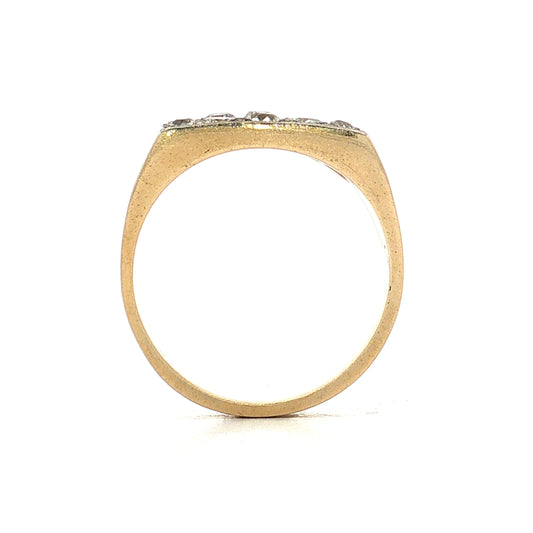
.75 Vintage Mid-Century Diamond Cocktail Ring 14k
Regular price $1,950.00Regular priceUnit price per -
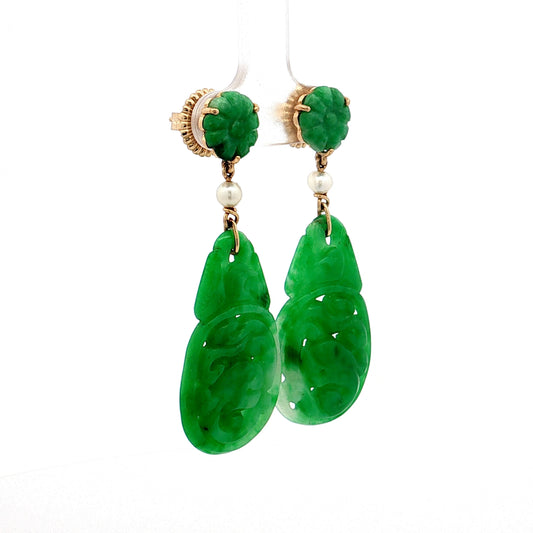
Antique Art Nouveau Jadeite & Pearl Drop Earrings 18k
Regular price $6,500.00Regular priceUnit price per -
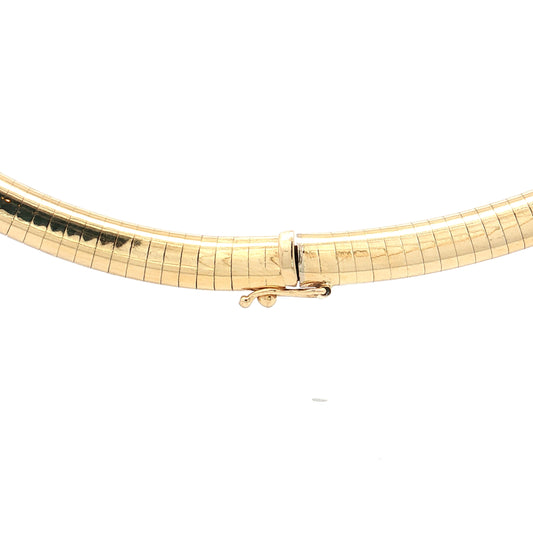
Omega Collar Necklace 14k Yellow Gold
Regular price $7,500.00Regular priceUnit price per -
Vintage Retro Men's Engraved Wedding Band 18k Two-Tone Gold
Regular price $1,000.00Regular priceUnit price per -
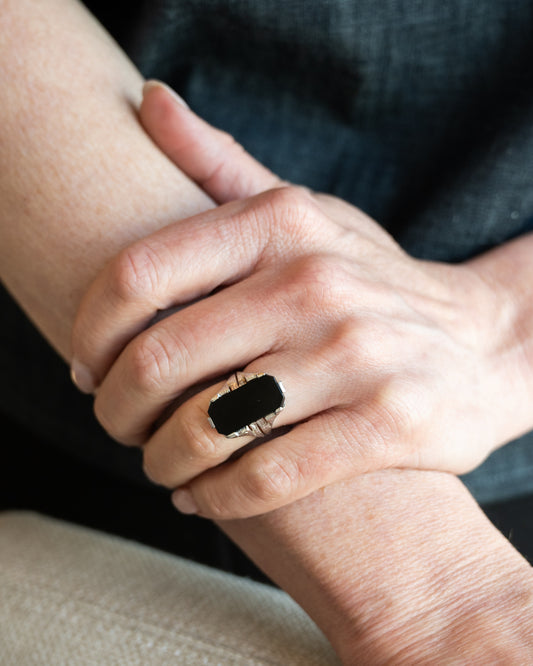
Antique Art Deco Onyx Cocktail Ring 14k White Gold
Regular price $1,200.00Regular priceUnit price per -
Vintage 1950s Engraved Men's Wedding Band 14k
Regular price $1,500.00Regular priceUnit price per -
Vintage Mid-Century Agate Cocktail Ring 14k Rose Gold
Regular price $2,150.00Regular priceUnit price per -
Vintage Retro Curb Link Bracelet 18k Rose Gold
Regular price $5,850.00Regular priceUnit price per -
Vintage Mid-Century Ruby & Pearl Spider Pendant 14k
Regular price $1,600.00Regular priceUnit price per -
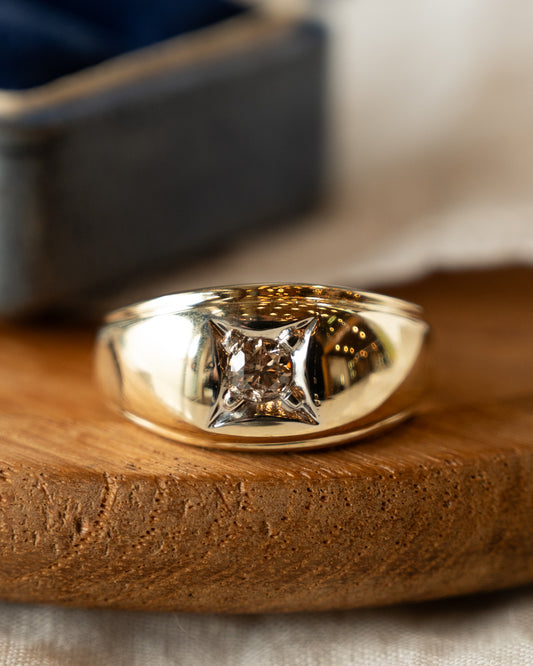
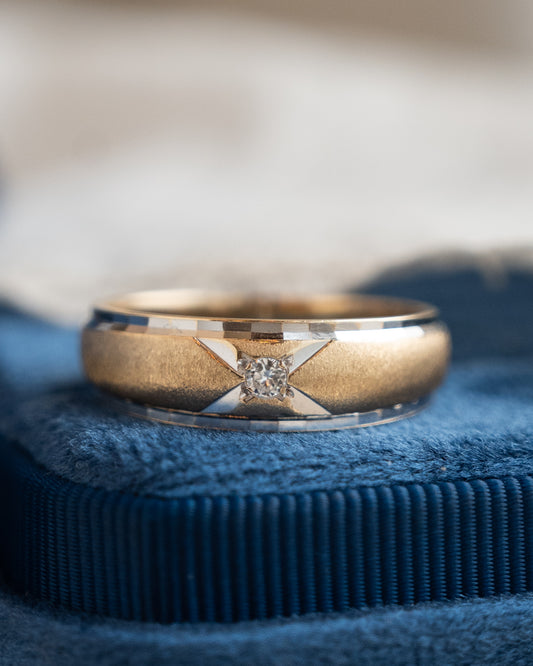
.30 Vintage Mid-Century Diamond Men's Ring 14k
Regular price $1,800.00Regular priceUnit price per -
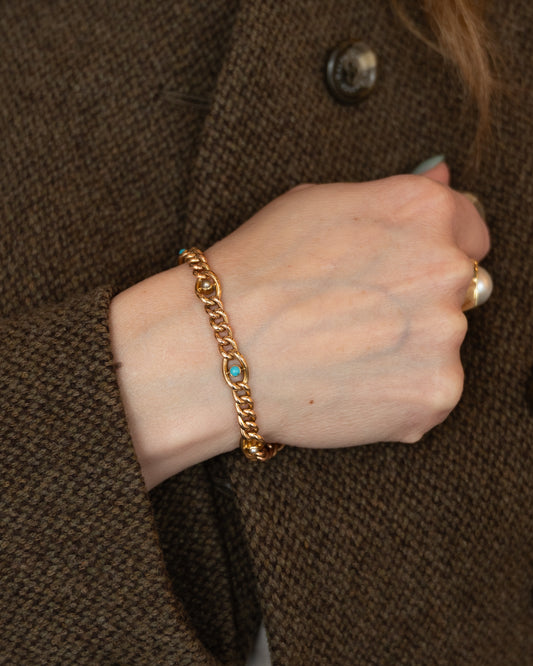
Antique Victorian Turquoise & Pearl Bracelet 18k Rose Gold
Regular price $2,875.00Regular priceUnit price per -
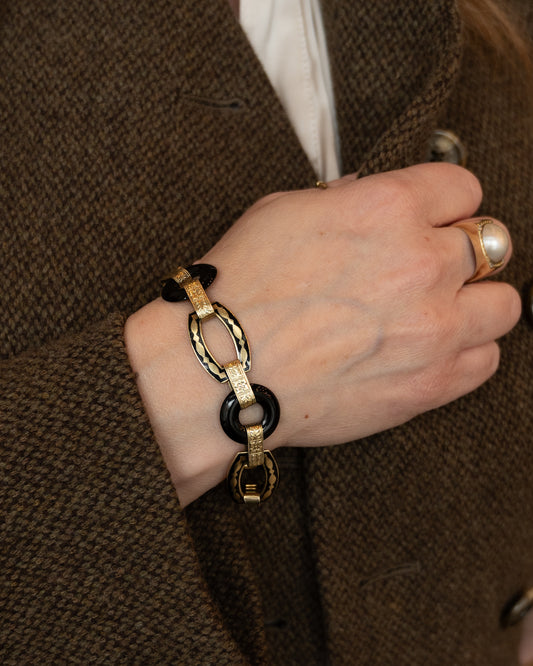
Antique Art Nouveau Onyx Bracelet 14k Yellow Gold
Regular price $4,800.00Regular priceUnit price per -
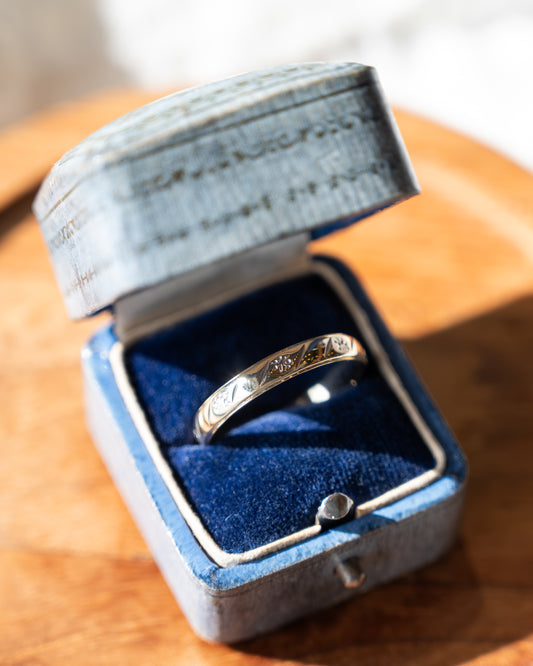
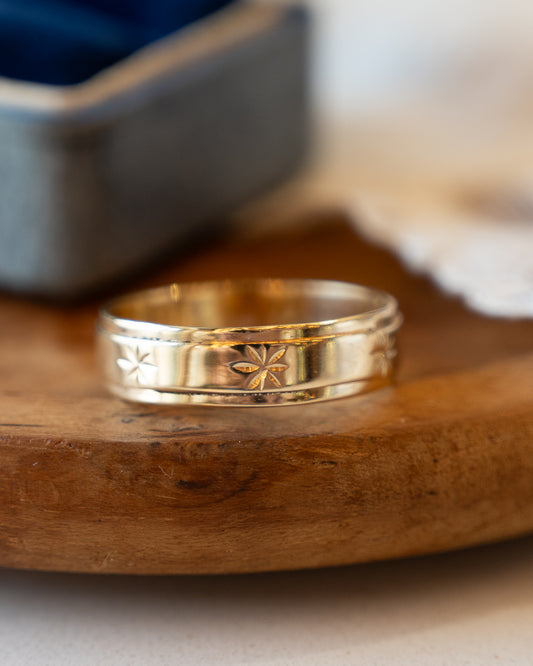
Vintage Mid-Century Engraved Men's Wedding Band 14k
Regular price $1,200.00Regular priceUnit price per -
Victorian Antique Wedding Band 10k Yellow Gold
Regular price $900.00Regular priceUnit price per -
Vintage Mid-Century Paperclip Chain Necklace 14k
Regular price $12,000.00Regular priceUnit price per -
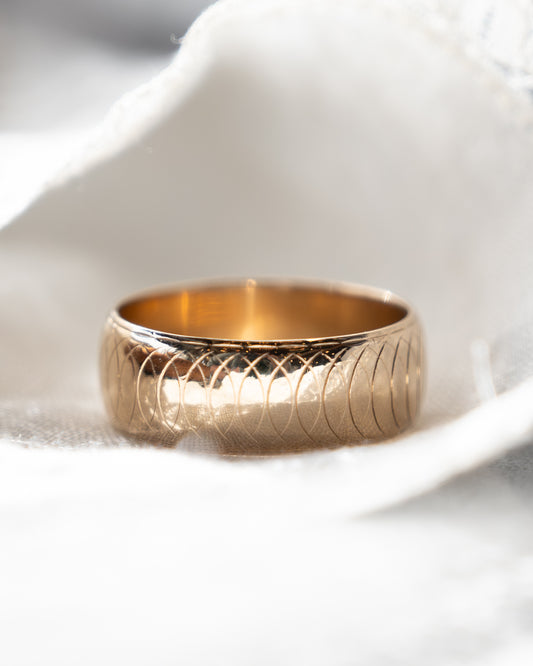
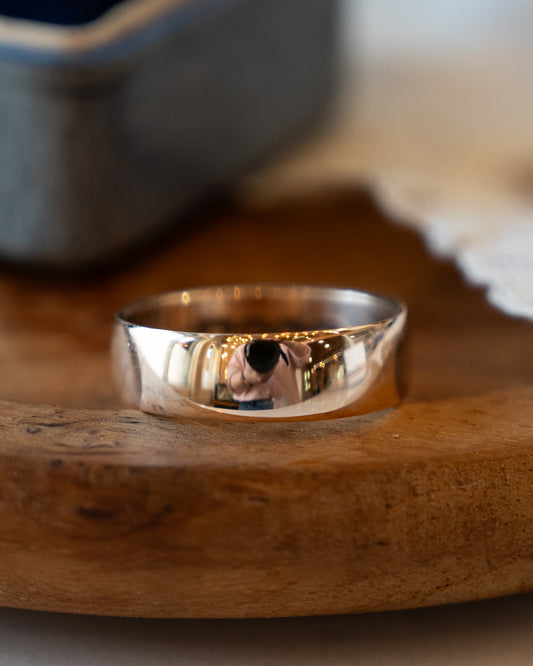
Victorian Antique Wide Wedding Band 10k Yellow Gold
Regular price $775.00Regular priceUnit price per -
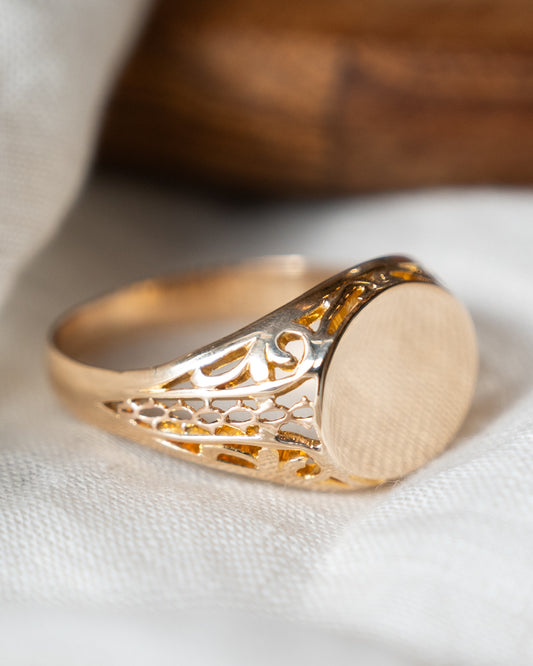
Vintage Mid-Century Signet Ring 10k Yellow Gold
Regular price $950.00Regular priceUnit price per -
Victorian Black Onyx Mourning Pendant Necklace 14k
Regular price $2,600.00Regular priceUnit price per -
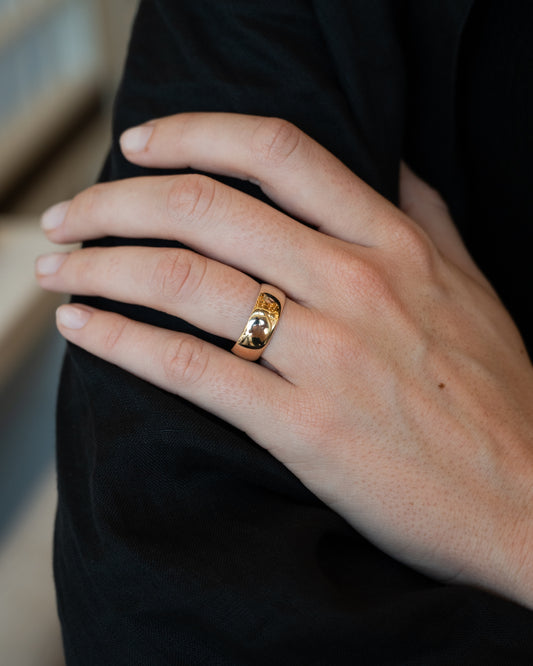
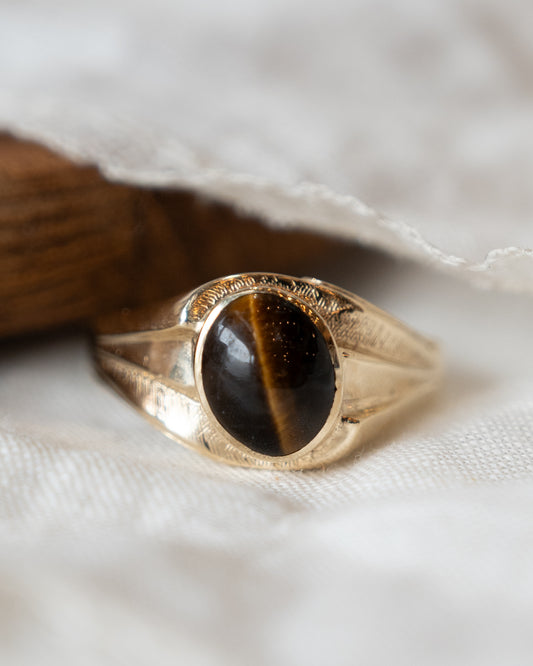
2.02 Vintage Mid-Century Tiger's Eye Cocktail Ring 10k
Regular price $1,100.00Regular priceUnit price per -
.06 Vintage Mid-Century Diamond Ring Two-Tone 14k
Regular price $1,400.00Regular priceUnit price per -
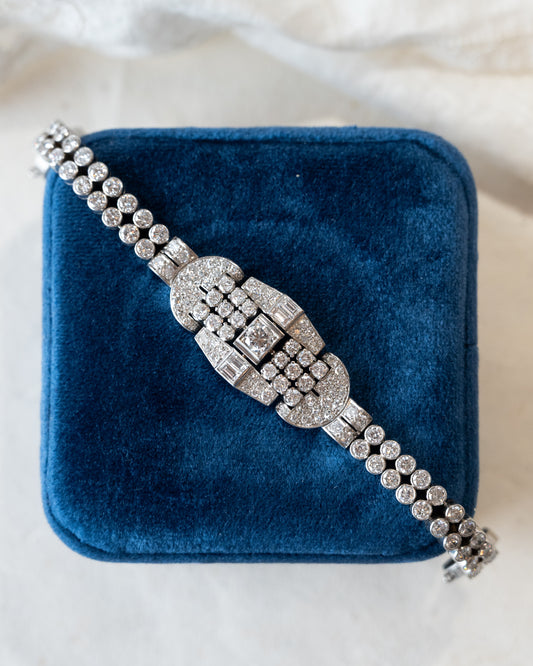
12.96 Vintage 1950s Diamond Bracelet Platinum
Regular price $21,500.00Regular priceUnit price per -
Vintage Retro Chain Link Bracelet 10k Rose & Yellow Gold
Regular price $2,100.00Regular priceUnit price per























About
Vintage Jewelry
Q: What is the difference between vintage and antique jewelry?
"Antique" generally means a piece is over 100 years old. "Vintage" covers pieces that are roughly 20 to 50 or more years old but haven't yet crossed the century mark. The terms overlap and get used loosely in the market. What matters more than the label is the era of origin, which determines the design style, construction methods, and materials. A piece described as "antique Art Deco" and one described as "vintage Art Deco" are from the same period; the terminology varies by seller convention.
Q: How do I know what era a piece of vintage jewelry is from?
Each era has identifiable design characteristics, construction techniques, and material preferences. Victorian pieces are predominantly yellow gold with romantic motifs. Art Deco pieces use geometric patterns in platinum or white gold. Retro pieces favor bold scale in rose and yellow gold. Mid-Century pieces lean toward clean lines and abstract forms. Metal stamps, clasp types, and construction details provide additional dating clues. Every piece in this collection is dated to its era of origin based on these markers.
Q: Is vintage jewelry durable enough to wear regularly?
Fine jewelry made from gold, platinum, and genuine gemstones is inherently durable regardless of age. A well-made Victorian bracelet from the 1880s can hold up to daily wear the same way a modern one can, provided the structural components (clasps, hinges, prongs, chains) are in good condition. We inspect and restore pieces as needed before they enter the collection. That said, some vintage designs are more delicate by nature, and the product description for each piece notes anything relevant about wearability.
Q: What should I look for when buying vintage jewelry?
Start with the structural basics: Are clasps secure? Are prongs holding stones firmly? Is there visible wear on hinges or chain links? Then look at the materials: verify the metal type and karat, and confirm that stones are genuine and original to the piece. Finally, consider the era attribution. A reputable seller should be able to tell you when a piece was made, what construction details place it in that period, and whether any components have been replaced or repaired. Accurate era identification and transparent condition reporting matter.