
-
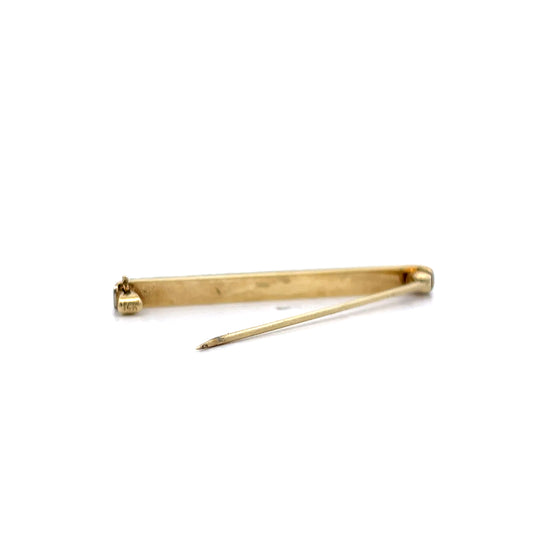
Antique Art Deco Pearl Brooch 14k Two-Tone Gold
Regular price $925.00Regular priceUnit price per -
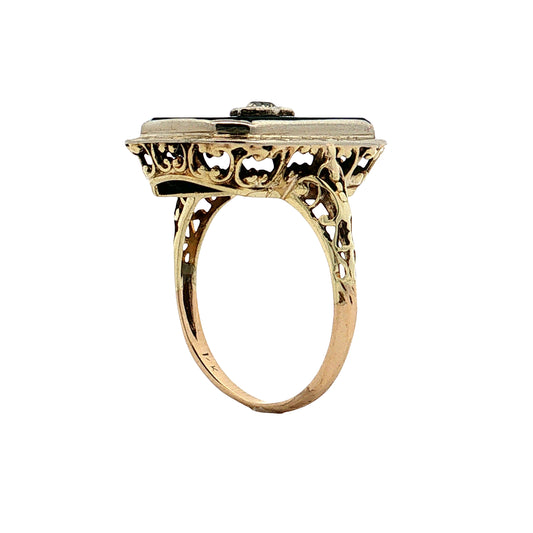
Diamond & Onyx Cocktail Ring 14k Two-Tone
Regular price $1,650.00Regular priceUnit price per -
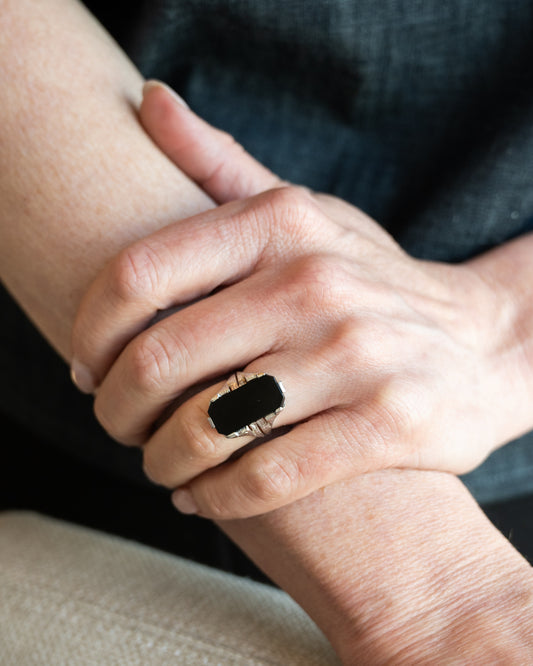
Antique Art Deco Onyx Cocktail Ring 14k White Gold
Regular price $1,200.00Regular priceUnit price per -
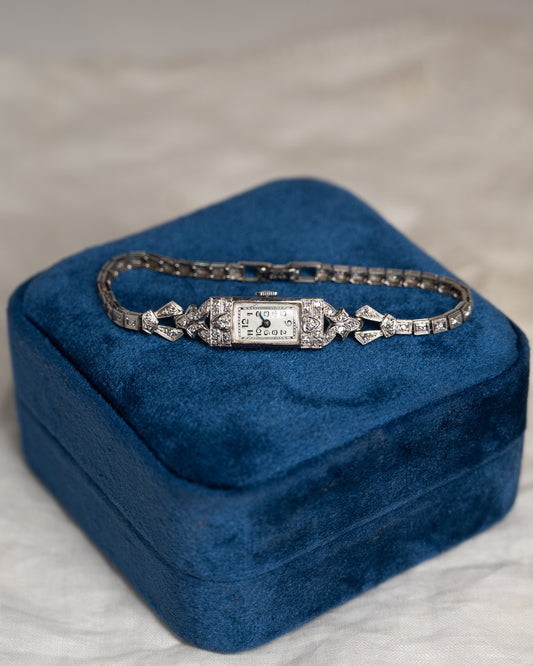
.95 Antique Art Deco Diamond Ladies Watch in Platinum
Regular price $2,950.00Regular priceUnit price per -
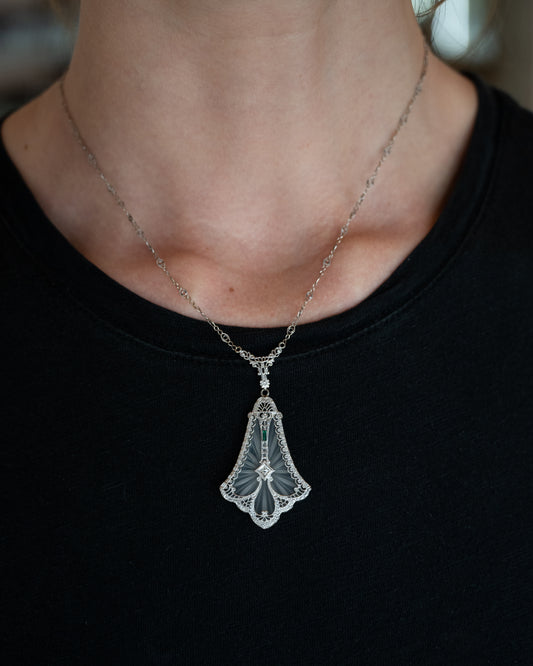
Antique Art Deco Camphor Glass Pendant 14k White Gold
Regular price $1,900.00Regular priceUnit price per -
1.50 Antique Green Jadeite Cocktail Ring in Platinum
Regular price $2,300.00Regular priceUnit price per -
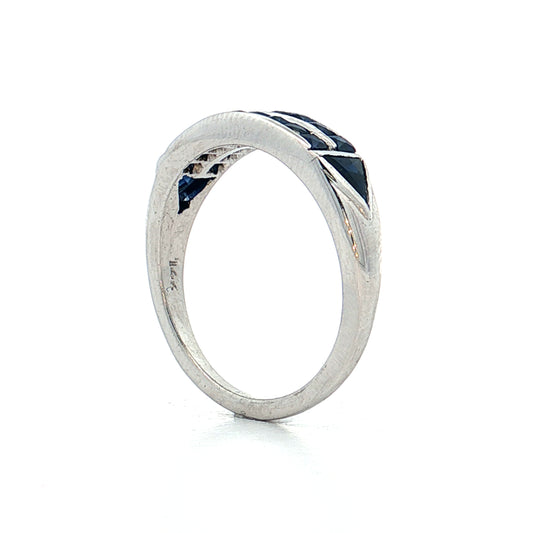
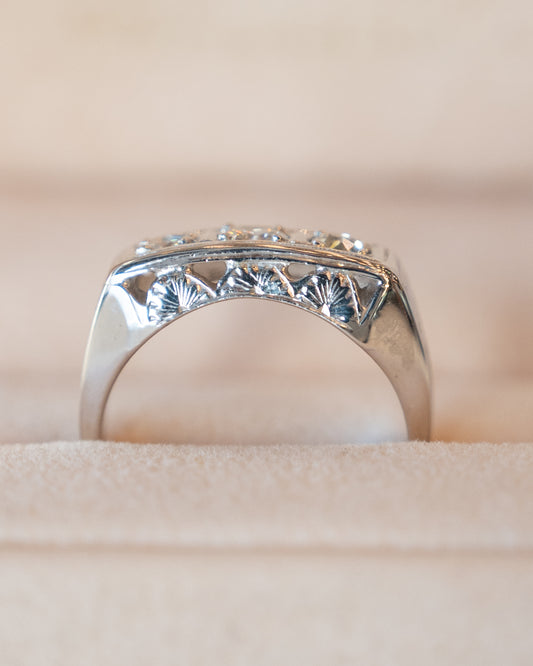
.64 Vintage Deco French Cut Sapphire Stacking Ring 14k
Regular price $1,375.00Regular priceUnit price per -
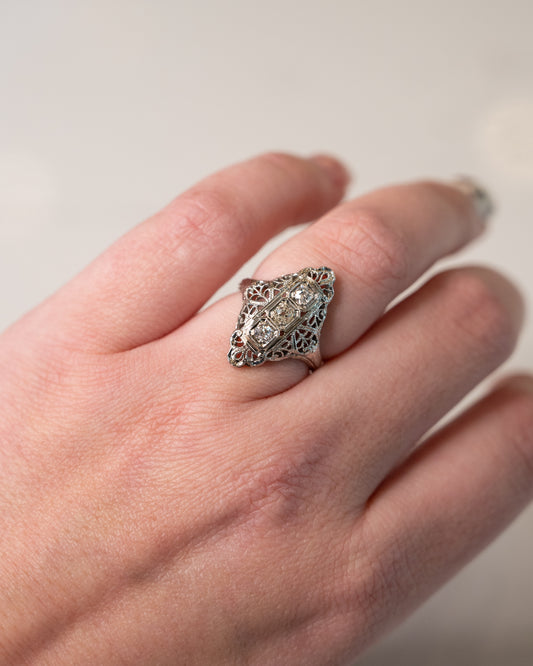
.10 Antique Deco Diamond Navette Cocktail Ring 18k
Regular price $1,250.00Regular priceUnit price per -
1.20 Antique Art Deco Diamond Cocktail Ring Platinum
Regular price $3,700.00Regular priceUnit price per -
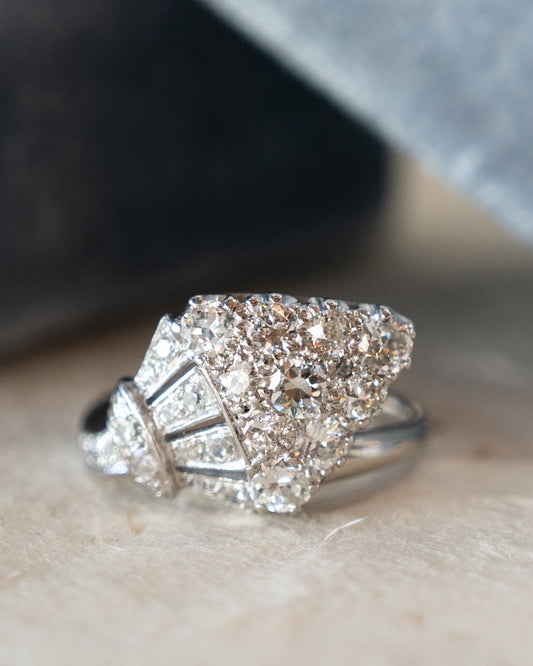
2.10 Vintage Old European Diamond Cocktail Ring Platinum
Regular price $7,250.00Regular priceUnit price per -
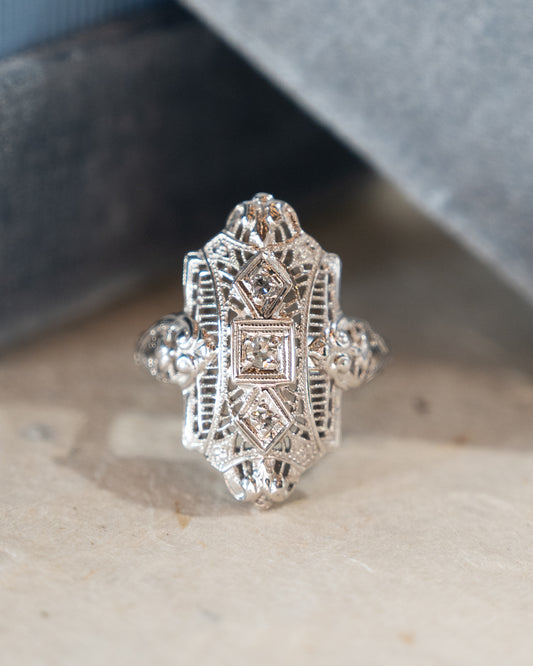
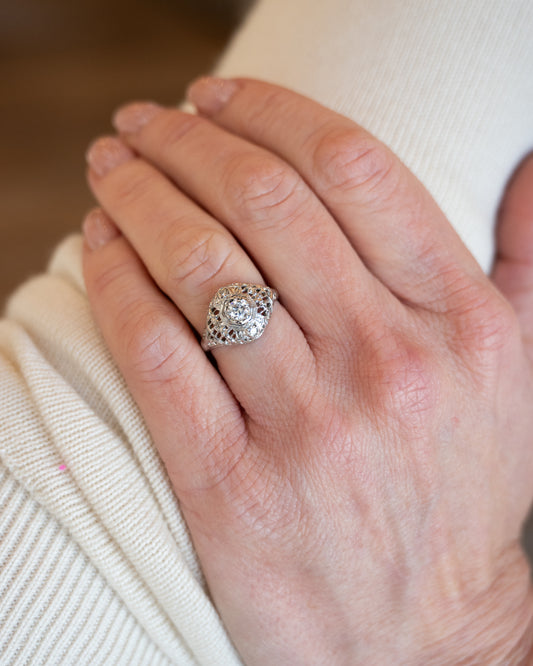
.04 Vintage Art Deco Diamond Filigree Cocktail Ring 14k
Regular price $950.00Regular priceUnit price per -
.81 Antique Art Deco Diamond Cocktail Ring 18k
Regular price $2,900.00Regular priceUnit price per -
1.60 Vintage Deco Navette Cocktail Ring Platinum/14k
Regular price $2,950.00Regular priceUnit price per -
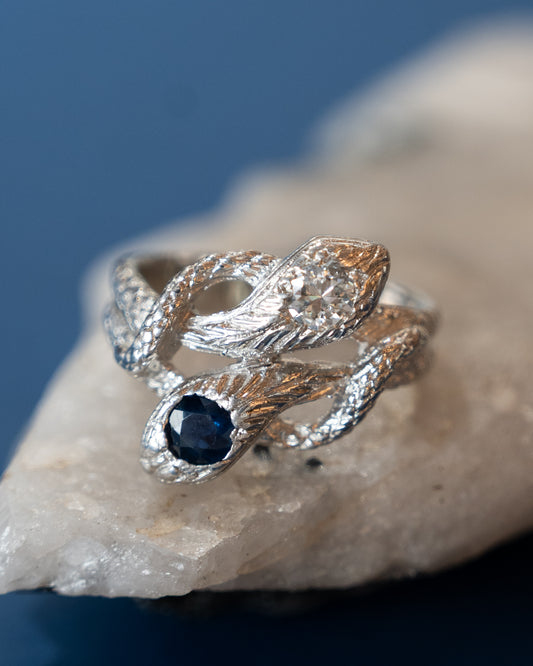
Mens Vintage Deco Two-Headed Snake Ring Platinum
Regular price $3,950.00Regular priceUnit price per -
1.90 Antique Colombian Emerald & Diamond Ring Platinum
Regular price $16,900.00Regular priceUnit price per -
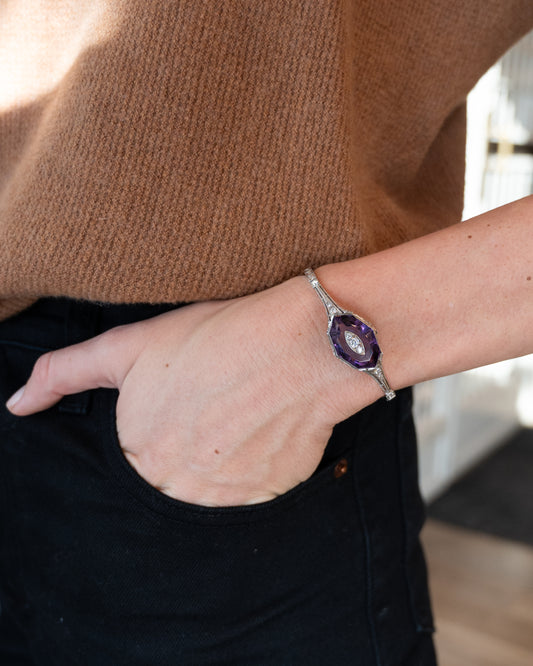
14.91 Vintage Deco Amethyst & Diamond Bracelet 14k
Regular price $3,950.00Regular priceUnit price per -
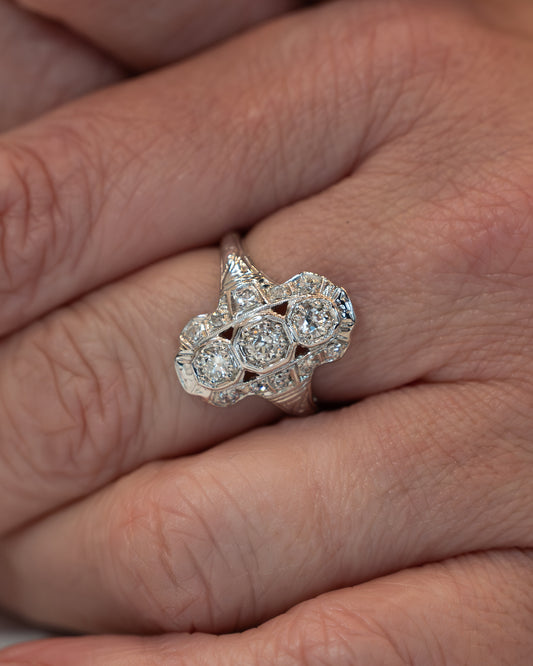
.63 Vintage Deco Three Stone Engagement Ring 18k
Regular price $2,375.00Regular priceUnit price per -
.015 Antique Diamond & Onyx Cocktail Ring 14k
Regular price $825.00Regular priceUnit price per -
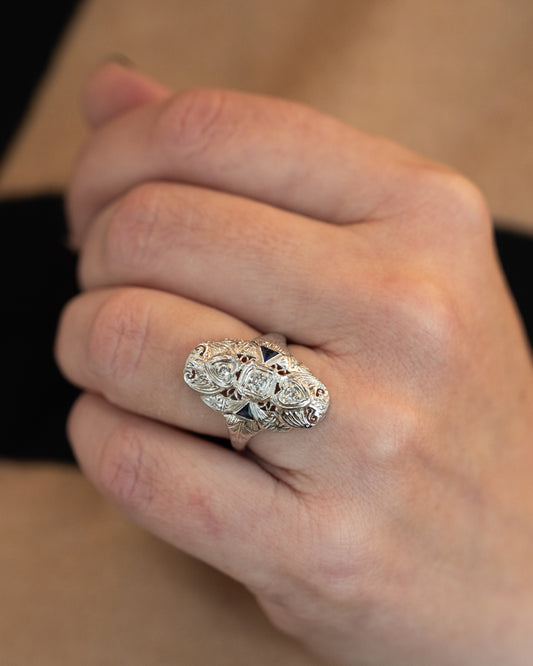
.18 Antique Deco Diamond & Sapphire Navette Ring 18k
Regular price $1,650.00Regular priceUnit price per -
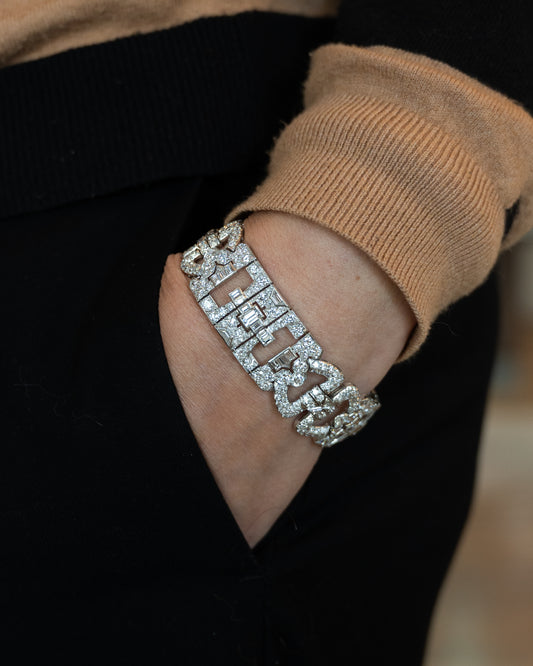
23 Carat Antique Art Deco Diamond Bracelet Platinum
Regular price $54,000.00Regular priceUnit price per -
.25 Vintage Euro Diamond Cocktail Ring 18k
Regular price $2,250.00Regular priceUnit price per -
.39 Antique Deco Diamond Filigree Cocktail Ring 18k
Regular price $1,950.00Regular priceUnit price per -
.42 Antique Deco Navette Cocktail Ring in 18k
Regular price $2,400.00Regular priceUnit price per -
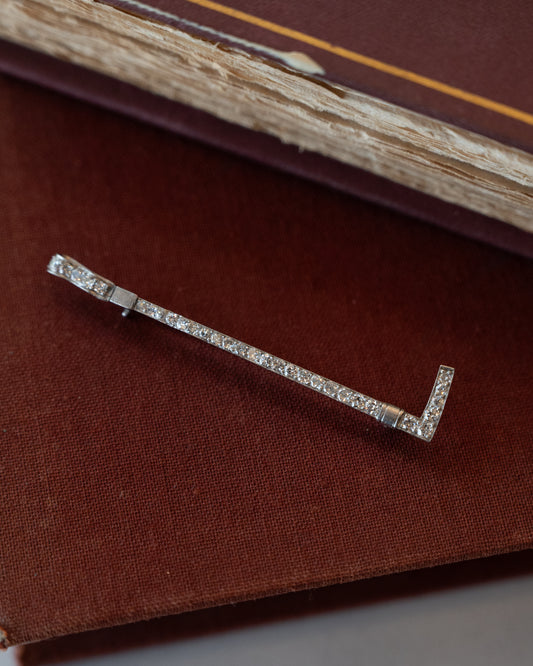
.78 Antique Art Deco Horse Crop Pin in Platinum
Regular price $1,950.00Regular priceUnit price per





















About
Art Deco Jewelry
Q: What defines Art Deco jewelry?
Art Deco jewelry is characterized by geometric patterns, bilateral symmetry, and bold use of contrasting materials. Common design elements include stepped or tiered forms, fan and sunburst motifs, Greek key patterns, and chevron shapes. The metalwork features milgrain edging, filigree, and calibré-cut accent stones fitted precisely into geometric layouts. The movement drew heavily from architecture, and Art Deco jewelry often looks engineered rather than organic. The period runs from roughly 1920 to 1935, though transitional pieces from the late 1910s sometimes show early Art Deco characteristics.
Q: What is the difference between Art Deco and Art Nouveau jewelry?
The two movements are essentially opposites. Art Nouveau (roughly 1890 to 1910) emphasized flowing, organic forms inspired by nature: vines, flowers, insects, and the female figure, often rendered in enamel and soft-colored gemstones. Art Deco rejected all of that in favor of straight lines, hard angles, geometric abstraction, and high-contrast color palettes in platinum and white gold. Art Nouveau pieces look handcrafted and natural. Art Deco pieces look architectural and precise. The two periods are separated by roughly a decade, with the Edwardian era (1901 to 1915) sitting between them.
Q: What gemstones are common in Art Deco jewelry?
Diamonds dominate, particularly in early Art Deco pieces (1920 to 1925), which favored monochromatic, all-white compositions. Late Art Deco (1926 to 1935) introduced bold color contrasts using rubies, sapphires, emeralds, and onyx. Calibré-cut stones, custom-shaped to fit precisely within geometric settings, are a hallmark of the era. You'll also see rock crystal, coral, jade, and carved gemstones in Art Deco pieces influenced by Egyptian, Chinese, and Japanese design. The diamond cuts most associated with the period are emerald cuts, asscher cuts, and baguettes, all of which reinforced the geometric aesthetic.
Q: How can I tell if a piece of Art Deco jewelry is authentic?
Construction is the most reliable indicator. Authentic Art Deco pieces were fabricated by hand using techniques like die-striking and hand-carving rather than casting. Under magnification, you'll see tool marks, individually applied milgrain beads (rather than uniform cast milgrain), and slight asymmetries in filigree work that indicate hand fabrication. The back and underside of the piece are particularly telling: period pieces typically have open galleries and hand-finished backs, while modern reproductions tend to have solid, cast backs with uniform surfaces. Metal type matters too. Most fine Art Deco jewelry is platinum or 18k white gold. Pieces stamped 10k or 14k warrant closer examination.
Q: Is Art Deco jewelry fragile?
Less than it looks. The filigree and openwork that characterize Art Deco pieces can appear delicate, but platinum and gold are strong metals, and the engineering behind most Art Deco designs is sound. Bracelets with articulated links were built to flex and move. Brooches were designed to be worn on clothing without bending. Rings were constructed to hold stones securely under daily wear. The main vulnerability is in pieces that have experienced decades of wear without maintenance: worn prongs, weakened clasps, and thin spots from repeated polishing. A professional inspection can identify and address these issues before they become problems.